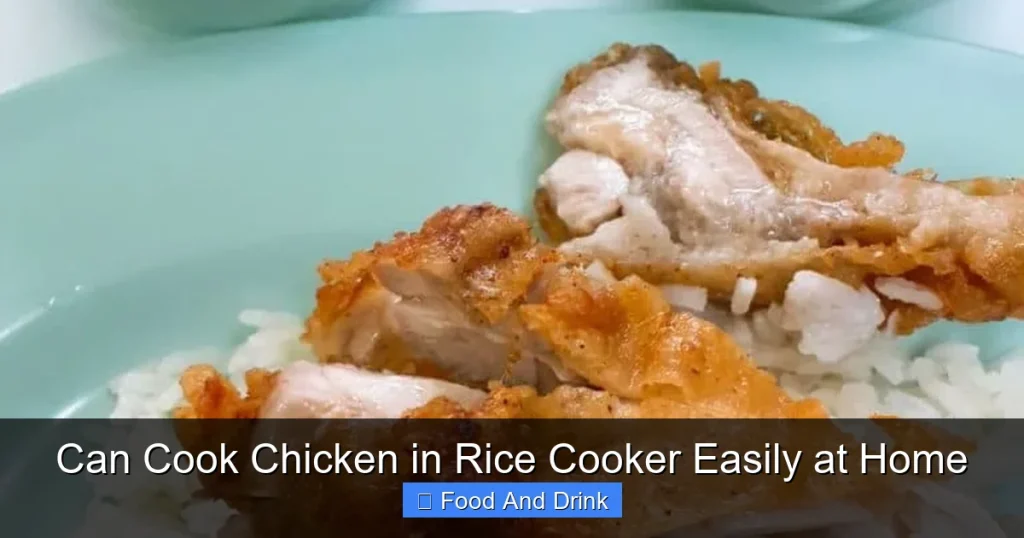

You absolutely can cook chicken in a rice cooker—and it’s easier than you think! With the right techniques, your rice cooker can deliver tender, juicy chicken breasts, thighs, or even whole cuts without any special equipment. Perfect for busy weeknights or minimal-cooking setups, this method saves time, energy, and cleanup.
Key Takeaways
- Yes, you can cook chicken in a rice cooker safely: Modern rice cookers reach temperatures high enough to fully cook poultry when used correctly.
- Use bone-in, skin-on cuts for best results: Thighs and drumsticks stay juicier and more flavorful than lean breast meat.
- Marinate or season well before cooking: Since rice cookers don’t brown meat, pre-seasoning ensures rich flavor.
- Add liquid to prevent drying out: A small amount of broth, water, or sauce helps create steam and keeps chicken moist.
- Cook in stages if combining with rice: Cook chicken first, then add rice and liquid to avoid undercooked poultry or mushy grains.
- Check internal temperature: Always use a meat thermometer—chicken must reach 165°F (74°C) to be safe to eat.
- Clean your rice cooker thoroughly afterward: Residual grease and protein can affect future rice batches if not washed properly.
Quick Answers to Common Questions
Can I cook frozen chicken in a rice cooker?
It’s not recommended. Frozen chicken takes much longer to cook and may not reach a safe internal temperature evenly. Always thaw chicken in the fridge before cooking.
Do I need to flip the chicken while cooking?
No—rice cookers use steam and moist heat, so flipping isn’t necessary. Just ensure pieces are arranged in a single layer for even cooking.
What if my rice cooker doesn’t have a “cook” button?
Most basic models automatically start when plugged in. Just add ingredients, close the lid, and wait. The cycle typically runs 20–40 minutes depending on quantity.
Can I use the “keep warm” setting to finish cooking?
No. The “keep warm” function maintains temperature but doesn’t generate enough heat to cook raw chicken safely. Always use the main cooking cycle.
Will cooking chicken affect the taste of future rice?
Only if you don’t clean the pot properly. Residual oils and proteins can linger. Wash the inner pot thoroughly with soap and water after each use.
📑 Table of Contents
- Can You Really Cook Chicken in a Rice Cooker?
- Why Use a Rice Cooker for Chicken?
- What Types of Chicken Work Best?
- Step-by-Step Guide to Cooking Chicken in a Rice Cooker
- Creative Ways to Flavor Your Rice Cooker Chicken
- Safety Tips and Common Mistakes to Avoid
- Can You Cook Rice and Chicken Together?
- Conclusion: Your Rice Cooker Is More Powerful Than You Think
Can You Really Cook Chicken in a Rice Cooker?
If you’ve ever stared at your rice cooker wondering if it could do more than just… well, cook rice, you’re not alone. These humble kitchen appliances are often underestimated. But here’s the truth: **yes, you can cook chicken in a rice cooker—and it works surprisingly well**.
Rice cookers aren’t just for grains. Thanks to their consistent heating elements and sealed environments, they create ideal conditions for steaming, braising, and slow-cooking proteins like chicken. Whether you’re living in a dorm, traveling in an RV, or simply trying to minimize stove use on a hot summer day, your rice cooker can become a versatile tool for preparing complete meals.
The key is understanding how your rice cooker works. Most models heat to around 212°F (100°C)—the boiling point of water—which is more than enough to thoroughly cook chicken when given adequate time. Unlike ovens or stovetops, rice cookers don’t offer direct high-heat searing, so you won’t get that crispy skin. But with smart prep and technique, you can still achieve tender, flavorful, and safe-to-eat chicken every time.
Why Use a Rice Cooker for Chicken?

Visual guide about Can Cook Chicken in Rice Cooker Easily at Home
Image source: toolsofkitchen.com
You might be asking: “Why bother? I have a pan, oven, or Instant Pot.” Fair point! But rice cookers offer unique advantages that make them worth considering—especially if you value simplicity, convenience, and minimal cleanup.
First, **rice cookers are incredibly hands-off**. Once you add your ingredients and press “cook,” you can walk away. No need to stir, flip, or monitor heat levels. This makes them perfect for multitasking—whether you’re working from home, helping kids with homework, or just relaxing after a long day.
Second, **they’re energy-efficient**. Compared to preheating an oven or running a stovetop burner for 30+ minutes, a rice cooker uses far less electricity. This is great for tiny homes, off-grid living, or anyone looking to reduce their carbon footprint.
Third, **they prevent burning and sticking**. The non-stick inner pot (in most models) means your chicken won’t scorch, even if you forget about it for a few extra minutes. Plus, because the environment is moist and enclosed, there’s less risk of drying out—a common problem with oven-roasted or grilled chicken.
Finally, **rice cookers are beginner-friendly**. You don’t need culinary skills or fancy techniques. Just toss in your seasoned chicken, add a little liquid, close the lid, and let the machine do the work. It’s foolproof cooking at its finest.
What Types of Chicken Work Best?

Visual guide about Can Cook Chicken in Rice Cooker Easily at Home
Image source: halfbakedharvest.com
Not all chicken cuts are created equal when it comes to rice cooker cooking. Because the appliance relies on moist heat rather than dry roasting or grilling, **some parts perform better than others**.
Bone-In, Skin-On Cuts
These are your best bet. Chicken thighs, drumsticks, and leg quarters retain moisture beautifully during slow, steamy cooking. The bone adds flavor and helps conduct heat evenly, while the skin (even if not crispy) protects the meat from drying out. If you’re new to cooking chicken in a rice cooker, start with boneless, skinless thighs—they’re forgiving and nearly impossible to overcook.
Boneless, Skinless Breasts
Breast meat can work, but it’s trickier. It’s lean and prone to drying out if not monitored carefully. To succeed, **always add extra liquid** (like broth or coconut milk) and consider cutting the breasts into smaller pieces or pounding them to an even thickness. You can also marinate them for at least 30 minutes beforehand to boost moisture and flavor.
Whole Chicken or Large Pieces
While possible, cooking a whole chicken or large bone-in breasts requires a larger rice cooker (at least 5–6 cups). Make sure the pieces fit comfortably without stacking too high—this ensures even cooking. If space is tight, cut the chicken into manageable portions.
Pre-Cooked or Rotisserie Chicken
Don’t overlook this option! You can use your rice cooker to **reheat leftover rotisserie chicken** or shred it for tacos, salads, or casseroles. Just add a splash of broth or water to keep it moist, and use the “warm” or “steam” setting if your model has one.
Step-by-Step Guide to Cooking Chicken in a Rice Cooker
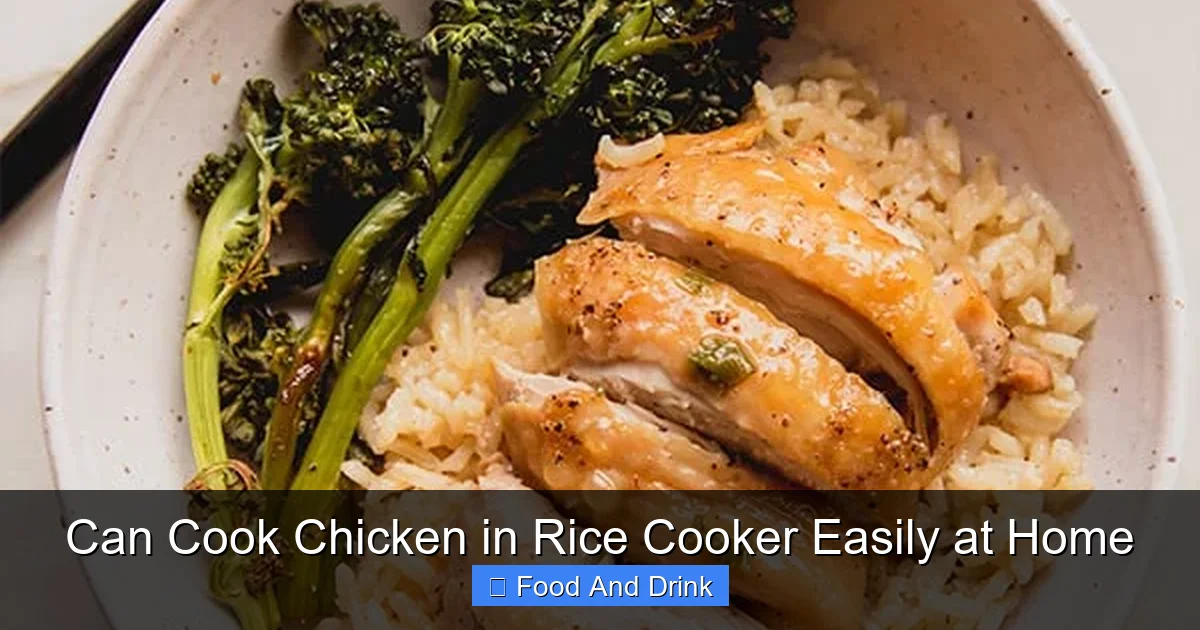
Visual guide about Can Cook Chicken in Rice Cooker Easily at Home
Image source: unboundwellness.com
Ready to give it a try? Follow this simple, foolproof method for juicy, flavorful chicken every time.
Step 1: Choose and Prep Your Chicken
Select your preferred cut (thighs recommended for beginners). Pat the chicken dry with paper towels—this helps seasonings stick. Then, generously season with salt, pepper, garlic powder, paprika, or your favorite spice blend. For extra flavor, marinate for 30 minutes to 2 hours in the fridge (or overnight for maximum impact).
Step 2: Add Liquid to the Pot
Place the seasoned chicken in the rice cooker pot. Add ½ to 1 cup of liquid—this could be water, chicken broth, coconut milk, soy sauce, or even a mix of lemon juice and olive oil. The liquid creates steam, prevents sticking, and infuses the chicken with flavor. Don’t skip this step! Dry cooking in a rice cooker leads to rubbery, bland results.
Step 3: Arrange for Even Cooking
Lay the chicken pieces in a single layer if possible. Avoid overcrowding—this traps steam unevenly and may cause some pieces to cook faster than others. If you must stack, rotate the pieces halfway through (if your model allows opening during cooking).
Step 4: Cook on Standard Setting
Close the lid and select the regular “Cook” or “White Rice” setting. Most rice cookers will automatically switch to “Keep Warm” once done. For bone-in chicken, this usually takes 25–35 minutes. Boneless cuts may be ready in 20–25 minutes.
Step 5: Check for Doneness
Never rely solely on time—always check the internal temperature with a meat thermometer. Insert it into the thickest part of the meat, avoiding bone. **Chicken must reach 165°F (74°C)** to be safe to eat. If it’s not done, close the lid and cook in 5-minute increments until ready.
Step 6: Rest and Serve
Let the chicken rest for 5 minutes before serving. This allows juices to redistribute, keeping the meat tender. Serve as-is, shred for tacos, or slice over rice, noodles, or salad.
Creative Ways to Flavor Your Rice Cooker Chicken
Plain boiled chicken? No thanks! The beauty of cooking chicken in a rice cooker is how easily you can infuse bold flavors—all without babysitting a pot.
Asian-Inspired Soy-Ginger Glaze
Combine ¼ cup soy sauce, 2 tbsp honey, 1 tbsp rice vinegar, 1 minced garlic clove, and 1 tsp grated ginger. Pour over chicken thighs before cooking. The result? Sweet, savory, umami-rich meat that pairs perfectly with jasmine rice.
Creamy Coconut Curry
Add ½ cup coconut milk, 1 tbsp red curry paste, 1 tsp turmeric, and a squeeze of lime to the pot with boneless chicken pieces. Cook as usual, then stir in fresh cilantro before serving. Serve over jasmine or basmati rice for a one-pot Thai-inspired meal.
Herb-Infused Mediterranean Style
Toss chicken with olive oil, dried oregano, thyme, rosemary, lemon zest, and a pinch of red pepper flakes. Add ½ cup chicken broth and a handful of chopped olives or sun-dried tomatoes. The result is bright, aromatic, and perfect with quinoa or orzo.
Spicy Buffalo Shredded Chicken
Cook boneless thighs with ½ cup buffalo sauce and ¼ cup water. Once done, shred with forks and toss with extra sauce. Serve in lettuce wraps, on nachos, or over celery sticks with ranch dressing.
Lemon-Garlic Butter Chicken
Place chicken in the pot with 2 tbsp butter, 2 minced garlic cloves, juice of 1 lemon, and fresh parsley. Add ½ cup broth to prevent burning. The butter melts into a luxurious sauce that clings to every bite.
Safety Tips and Common Mistakes to Avoid
Cooking chicken safely is non-negotiable—especially when using unconventional methods. Here’s how to avoid pitfalls and ensure delicious, risk-free results.
Always Use a Meat Thermometer
This cannot be stressed enough. Rice cookers vary in temperature and timing, so visual cues (like clear juices) aren’t reliable. Invest in an instant-read thermometer—it’s a small cost for peace of mind and food safety.
Don’t Skip the Liquid
Some people assume chicken releases enough moisture on its own. While it does release some, it’s rarely enough to prevent drying or sticking. Always add at least ½ cup of liquid, especially for lean cuts.
Avoid Overcrowding
Piling too much chicken into the pot blocks steam circulation and leads to uneven cooking. If you’re cooking for a family, consider doing two batches or using a larger cooker.
Clean Thoroughly After Use
Chicken residue can harbor bacteria and leave behind strong odors that affect future rice batches. Wash the inner pot, lid, and steam vent with hot, soapy water immediately after use. For stubborn grease, soak in warm water with a drop of dish soap.
Don’t Assume “Keep Warm” Is Safe Indefinitely
While most rice cookers keep food above 140°F (60°C)—the safe zone—don’t leave cooked chicken in the “warm” setting for more than 2 hours. Transfer leftovers to the fridge within that window.
Can You Cook Rice and Chicken Together?
Ah, the million-dollar question: Can you make a complete meal in one pot? The short answer: **yes, but with caveats**.
Cooking rice and chicken simultaneously is possible, but timing is tricky. Chicken takes longer to cook than rice, so if you add them together, your rice will likely turn to mush before the chicken is safe to eat.
The Best Approach: Two-Stage Cooking
1. **Cook the chicken first** using the method above (with liquid and seasoning).
2. Once done, remove the chicken and set aside.
3. Add rinsed rice and fresh liquid (adjusting for absorbed moisture).
4. Place the chicken back on top of the rice (not submerged), close the lid, and cook until rice is done.
This way, the chicken steams gently while the rice cooks below—resulting in perfectly tender meat and fluffy grains.
Alternatively, use a **steamer basket** (if your rice cooker includes one). Place the chicken in the basket above the rice. The steam from the cooking rice will gently cook the chicken. Just ensure the chicken reaches 165°F internally.
Conclusion: Your Rice Cooker Is More Powerful Than You Think
So, can you cook chicken in a rice cooker? Absolutely—and it’s not just possible, it’s practical, economical, and delicious. From busy professionals to college students, anyone can benefit from this simple cooking hack.
You don’t need fancy gear or gourmet skills. Just a little seasoning, some liquid, and trust in your appliance. Whether you’re whipping up a quick dinner, meal prepping for the week, or experimenting with global flavors, your rice cooker is ready to rise to the occasion.
Next time you reach for that pot to make plain white rice, pause. Add some chicken, a splash of broth, and your favorite spices. Press start. Walk away. Come back to a hot, hearty, homemade meal—no stove, no mess, no stress. That’s the magic of cooking chicken in a rice cooker.
Frequently Asked Questions
Is it safe to cook chicken in a rice cooker?
Yes, as long as the chicken reaches an internal temperature of 165°F (74°C). Modern rice cookers generate enough heat to safely cook poultry when used correctly.
How long does it take to cook chicken in a rice cooker?
Boneless cuts take 20–25 minutes; bone-in pieces take 25–35 minutes. Always verify doneness with a thermometer, as cook times vary by model and quantity.
Can I cook other meats in a rice cooker?
Yes! Pork chops, sausage, fish fillets, and even tofu can be cooked in a rice cooker using similar moist-heat methods. Adjust liquid and timing as needed.
Do I need special seasonings for rice cooker chicken?
No, but seasoning is key since there’s no browning. Use marinades, spice rubs, or liquid flavorings like soy sauce or broth to enhance taste.
What’s the minimum amount of liquid needed?
At least ½ cup (120ml) is recommended to create steam and prevent drying. Use more for larger batches or leaner cuts like breast meat.
Can I make soup or stew in a rice cooker?
Absolutely! Many rice cookers can simmer soups, stews, and braises. Just ensure the liquid covers ingredients and monitor cooking time to avoid overflow.