

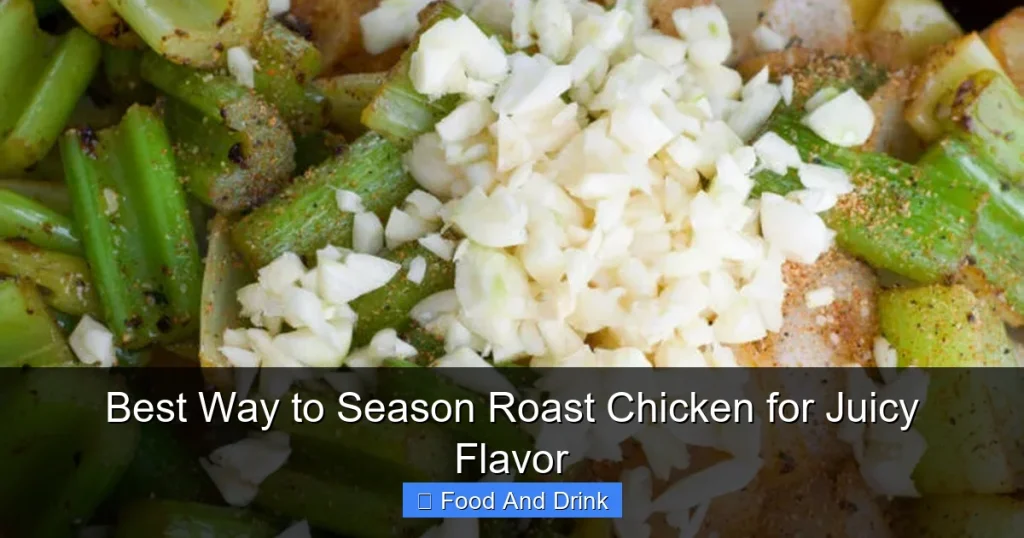

Mastering the best way to season roast chicken transforms a simple meal into a juicy, flavorful masterpiece. With the right blend of herbs, spices, and techniques, you can achieve crispy skin and tender meat that’s bursting with taste—no dryness, no guesswork.
There’s something deeply satisfying about walking into a kitchen filled with the rich, savory aroma of a perfectly roasted chicken. It’s comfort food at its finest—crispy golden skin, tender meat that falls off the bone, and a flavor so deep it makes you close your eyes with the first bite. But here’s the secret: the magic isn’t just in the roasting. It’s in the seasoning. The best way to season roast chicken isn’t about piling on spices or following a rigid recipe. It’s about understanding how flavor works with the bird’s natural moisture, texture, and fat content to create something truly exceptional.
Whether you’re cooking for a weeknight dinner or a holiday feast, mastering the art of seasoning roast chicken can elevate your cooking from good to unforgettable. And the best part? It doesn’t require fancy ingredients or professional skills. With a few smart techniques—like dry brining, seasoning under the skin, and using aromatics—you can turn a simple whole chicken into a restaurant-quality centerpiece. In this guide, we’ll walk you through every step of the process, from prep to plating, so you can confidently serve juicy, flavorful roast chicken every single time.
Key Takeaways
- Use a dry brine for deeper flavor and moisture: Salting the chicken 12–24 hours before roasting draws out moisture, which is then reabsorbed with seasoning, resulting in juicier meat.
- Season under the skin for maximum impact: Gently loosening the skin and rubbing seasoning directly onto the meat ensures flavor penetrates deeply without drying out the breast.
- Combine salt, fat, and aromatics: A mix of kosher salt, butter or oil, garlic, lemon, and fresh herbs creates a balanced, aromatic crust and infuses the chicken from the inside out.
- Let the chicken come to room temperature: Taking the bird out of the fridge 30–60 minutes before roasting promotes even cooking and prevents cold spots.
- Use a meat thermometer for perfect doneness: Cooking to an internal temperature of 165°F (74°C) in the thickest part of the thigh ensures safety without overcooking.
- Rest the chicken after roasting: Allowing it to rest for 15–20 minutes lets juices redistribute, keeping every bite moist and tender.
- Experiment with global flavor profiles: From Mediterranean herbs to spicy harissa or Asian-inspired soy-ginger blends, seasoning can reflect any cuisine you love.
Quick Answers to Common Questions
Should I rinse the chicken before seasoning?
No, rinsing raw chicken can spread bacteria around your kitchen. Instead, pat it dry with paper towels before seasoning to help the skin crisp up.
Can I use dried herbs instead of fresh?
Yes, but use about one-third the amount, as dried herbs are more concentrated. Add them early in the process so they have time to rehydrate and release flavor.
How long can I dry brine a chicken?
Up to 24 hours in the refrigerator. Any longer and the texture may become too salty or firm.
Can I season the chicken the night before?
Absolutely! In fact, seasoning 12–24 hours in advance (dry brining) is one of the best ways to ensure juicy, flavorful meat.
What if my chicken skin isn’t crispy?
Make sure the skin is dry before roasting, and avoid covering the chicken while it rests. High initial heat (425°F) also helps crisp the skin.
📑 Table of Contents
Why Seasoning Matters More Than You Think
When it comes to roast chicken, many home cooks focus on cooking time and temperature—and rightly so. But seasoning is the unsung hero that makes or breaks the final result. Without proper seasoning, even a perfectly cooked chicken can taste bland and dry. On the other hand, the right blend of salt, fat, and flavor enhancers can transform a humble bird into a juicy, aromatic delight.
Seasoning does more than just add taste. It affects texture, moisture retention, and even how the skin crisps up. Salt, for example, doesn’t just make food taste salty—it breaks down proteins, helping the meat retain moisture during cooking. Fat, whether from butter, olive oil, or the chicken’s own skin, carries flavor and keeps the meat tender. And aromatics like garlic, herbs, and citrus infuse the chicken with complexity that lingers on the palate.
The best way to season roast chicken isn’t a one-size-fits-all approach. It depends on your taste preferences, the cooking method, and even the type of chicken you’re using. But there are universal principles that apply to every successful roast. Understanding these will give you the confidence to experiment and find your perfect flavor profile.
The Science of Salt: Why It’s the Foundation
Salt is the cornerstone of great seasoning. It’s not just about making food taste salty—it’s about enhancing every other flavor and improving the texture of the meat. When salt is applied to chicken, it begins to dissolve and penetrate the muscle fibers. This process, called osmosis, draws out moisture, which then mixes with the salt to form a brine. As the chicken sits, this brine is reabsorbed, seasoning the meat from the inside out.
This is why dry brining—salting the chicken and letting it rest uncovered in the fridge—is one of the most effective techniques for juicy roast chicken. A study by America’s Test Kitchen found that dry-brined chickens retained significantly more moisture and had better flavor distribution than unbrined ones. The salt also helps denature proteins, which improves the texture and makes the meat more tender.
For best results, use kosher salt or sea salt. Table salt is finer and can be too salty if you’re not careful. A general rule is to use about 1 teaspoon of kosher salt per pound of chicken. Sprinkle it evenly over the skin and under the skin if possible, then let the chicken rest for at least 12 hours, or up to 24 hours, in the refrigerator. The longer it sits, the deeper the flavor and the juicier the meat.
Fat: The Flavor Carrier
Fat is essential for both flavor and moisture. It coats the meat, helping to conduct heat evenly and preventing dryness. It also carries fat-soluble flavor compounds from herbs, spices, and aromatics, ensuring they’re distributed throughout the chicken.
Butter is a classic choice for seasoning roast chicken. Its rich, creamy flavor complements the meat beautifully, and when melted and brushed over the skin, it promotes browning and crispiness. For an even deeper flavor, try compound butter—softened butter mixed with minced garlic, fresh herbs like thyme or rosemary, and a squeeze of lemon zest. Gently loosen the skin over the breast and thighs and slide pats of the butter underneath. This allows the fat to melt into the meat as it roasts, basting it from within.
Olive oil is another excellent option, especially if you prefer a lighter taste. It’s great for Mediterranean-style seasoning with lemon, oregano, and garlic. For a richer, more indulgent roast, you can even use a mix of butter and olive oil. The key is to use enough fat to coat the skin and infuse the meat, but not so much that it pools in the pan and steams the chicken.
Aromatics: Building Flavor from the Inside Out
Aromatics are the secret weapon in any great roast chicken recipe. Ingredients like garlic, onions, lemon, and fresh herbs release their essential oils during cooking, filling the chicken with complex, layered flavors. The best way to season roast chicken with aromatics is to use them in multiple ways: inside the cavity, under the skin, and in the roasting pan.
Start by stuffing the cavity with halved lemons, garlic cloves, onion wedges, and fresh herb sprigs like thyme, rosemary, or sage. As the chicken roasts, the aromatics will steam and infuse the meat from the inside. The lemon also adds a subtle acidity that brightens the flavor and helps tenderize the meat.
Next, rub aromatics under the skin. This is where the real magic happens. Gently lift the skin over the breast and thighs—don’t tear it—and slide in minced garlic, chopped herbs, or even slices of lemon. The heat will release their flavors directly into the meat, creating pockets of intense taste.
Finally, scatter aromatics around the chicken in the roasting pan. Onions, carrots, and celery not only add flavor to the pan juices but also create a natural roasting rack that keeps the chicken elevated and promotes even browning.
Techniques for Maximum Flavor Penetration

Visual guide about Best Way to Season Roast Chicken for Juicy Flavor
Image source: stellanspice.com
Seasoning isn’t just about what you use—it’s also about how you apply it. The best way to season roast chicken involves techniques that ensure flavor reaches every part of the bird, from the surface to the bone.
Seasoning Under the Skin: The Game-Changer
One of the most effective—and often overlooked—techniques is seasoning under the skin. The skin acts as a barrier, protecting the meat from drying out, but it also prevents seasoning from penetrating deeply. By gently loosening the skin and rubbing spice blends or butter directly onto the meat, you bypass this barrier and infuse flavor right where it’s needed most.
To do this, use your fingers to carefully separate the skin from the breast and thighs. Work slowly and gently to avoid tearing. Once the skin is lifted, use your fingers or a small spoon to spread a mixture of softened butter, minced garlic, salt, pepper, and herbs directly onto the meat. This method ensures that the seasoning melts into the chicken as it roasts, basting it from within.
For extra flavor, you can also add thin slices of lemon or orange under the skin. The citrus will release its oils during cooking, adding a bright, aromatic note that cuts through the richness of the meat.
Dry Brining: The Secret to Juicy Meat
Dry brining is perhaps the single most effective technique for achieving juicy, flavorful roast chicken. Unlike wet brining, which involves soaking the chicken in a saltwater solution, dry brining uses just salt—applied directly to the skin and meat—and time.
The process is simple: generously salt the chicken, both on the outside and under the skin, then place it on a wire rack set over a baking sheet. Refrigerate it uncovered for 12 to 24 hours. During this time, the salt draws out moisture, which then dissolves the salt and is reabsorbed into the meat. This not only seasons the chicken deeply but also changes the protein structure, allowing it to retain more moisture during cooking.
The result? Meat that’s incredibly juicy, with a concentrated flavor that starts from the inside. Plus, the uncovered drying process helps the skin become extra crispy when roasted. Dry brining works especially well for whole chickens, but it can also be used for chicken parts like breasts or thighs.
Room Temperature Rest: The Final Prep Step
Before you even think about seasoning, take your chicken out of the refrigerator 30 to 60 minutes before roasting. Letting it come to room temperature ensures more even cooking. Cold chicken straight from the fridge will cook unevenly, with the outside drying out before the inside reaches the proper temperature.
This step is especially important for whole chickens, which have a larger mass and take longer to cook. A room-temperature bird will roast more uniformly, with crisp skin and tender, juicy meat throughout.
Flavor Profiles: From Classic to Creative
Visual guide about Best Way to Season Roast Chicken for Juicy Flavor
Image source: stellanspice.com
Once you’ve mastered the basics, it’s time to get creative. The best way to season roast chicken isn’t limited to one style—it can reflect any cuisine or flavor profile you love. Here are a few popular options to inspire your next roast.
Classic Herb and Garlic
This timeless combination is a crowd-pleaser. Use a mix of fresh rosemary, thyme, and sage, along with minced garlic, lemon zest, and butter. Rub the mixture under the skin and over the surface, then stuff the cavity with lemon halves and garlic cloves. The result is a rich, aromatic chicken with a golden, crispy skin.
Mediterranean Style
For a lighter, brighter flavor, go Mediterranean. Use olive oil instead of butter, and season with oregano, garlic, lemon juice, and a pinch of red pepper flakes. Add olives, sun-dried tomatoes, and artichoke hearts to the roasting pan for a one-pan meal that’s full of flavor.
Spicy Harissa Rub
If you love heat, try a harissa-based seasoning. Mix harissa paste with olive oil, garlic, and a touch of honey for balance. Rub it all over the chicken and under the skin. The smoky, spicy flavor pairs beautifully with roasted vegetables like sweet potatoes and bell peppers.
Asian-Inspired Soy and Ginger
For an umami-rich roast, use a blend of soy sauce, grated ginger, garlic, honey, and sesame oil. Marinate the chicken for a few hours or overnight, then roast as usual. The soy sauce adds depth and helps the skin caramelize, while the ginger and garlic infuse the meat with warmth and complexity.
Smoky Paprika and Cumin
Inspired by Spanish and Middle Eastern flavors, this rub uses smoked paprika, cumin, garlic powder, and a touch of cayenne. It’s perfect for a bold, aromatic roast that pairs well with roasted potatoes and a fresh salad.
Cooking and Resting: The Final Steps

Visual guide about Best Way to Season Roast Chicken for Juicy Flavor
Image source: stellanspice.com
Even the best seasoning won’t save an overcooked chicken. Proper cooking and resting are essential for juicy, tender results.
Roasting Temperature and Time
For most whole chickens, roast at 425°F (220°C) for the first 15 minutes to crisp the skin, then reduce the heat to 375°F (190°C) for the remainder of the cooking time. A general rule is 20 minutes per pound, but always use a meat thermometer to check for doneness.
Insert the thermometer into the thickest part of the thigh, avoiding the bone. The internal temperature should reach 165°F (74°C). At this point, the juices will run clear, and the meat will be fully cooked but still juicy.
The Importance of Resting
Once the chicken is done, remove it from the oven and let it rest for 15 to 20 minutes before carving. This allows the juices to redistribute throughout the meat, preventing them from spilling out when you cut into it. Cover the chicken loosely with foil to keep it warm, but don’t wrap it tightly—this can steam the skin and make it soggy.
Serving and Storing Leftovers
A perfectly seasoned roast chicken is delicious hot from the oven, but it’s also great served cold or at room temperature the next day. Slice the meat and serve it in salads, sandwiches, or grain bowls. The leftover bones and carcass can be used to make a rich, flavorful stock.
Store leftovers in an airtight container in the refrigerator for up to 4 days, or freeze for up to 3 months. Reheat gently in the oven or microwave to preserve moisture.
The best way to season roast chicken is about more than just taste—it’s about creating a meal that brings people together. With the right techniques and a little creativity, you can turn a simple bird into a juicy, flavorful centerpiece that everyone will remember.
Frequently Asked Questions
What’s the best salt to use for seasoning roast chicken?
Kosher salt is ideal because it dissolves evenly and isn’t as harsh as table salt. Use about 1 teaspoon per pound of chicken for balanced flavor.
Can I season a frozen chicken?
It’s best to thaw the chicken completely before seasoning. Seasoning a frozen bird won’t penetrate properly and can lead to uneven cooking.
How do I prevent the breast from drying out?
Season under the skin, use a meat thermometer, and avoid overcooking. Cooking to 165°F in the thigh ensures the breast stays juicy.
Can I use a spice rub instead of butter?
Yes, dry rubs work well, especially if you brush the chicken with a little oil first to help the spices adhere and promote browning.
Should I truss the chicken before roasting?
Trussing helps the chicken cook evenly and keeps the legs close to the body, but it’s not essential. Many chefs now skip it for easier seasoning access.
What’s the best pan for roasting chicken?
A heavy roasting pan or cast-iron skillet works best. Elevate the chicken on a rack or vegetables to promote even browning and prevent steaming.


