



Roasting chicken breasts in the oven doesn’t have to be dry or boring. With the right temperature, seasoning, and technique, you can achieve tender, juicy meat that’s full of flavor. This guide shares the best way to roast chicken breasts for consistently delicious results.
If you’ve ever pulled a dry, rubbery chicken breast out of the oven, you’re not alone. It’s one of the most common kitchen frustrations—especially when you’re trying to eat healthy and lean proteins. But here’s the good news: roasting chicken breasts in the oven can actually be one of the easiest and most reliable ways to get juicy, flavorful results. You just need to know the right method.
The secret isn’t in fancy equipment or complex recipes. It’s in understanding how heat, moisture, and timing work together. Chicken breasts are lean, which means they have less fat to keep them moist during cooking. That’s why so many people end up with dry meat—they either cook them too long, at too low a temperature, or don’t prepare them properly beforehand. But once you master the best way to roast chicken breasts in the oven, you’ll never go back to guessing.
In this guide, we’ll walk you through every step—from prep to plating—so you can roast chicken breasts that are tender, juicy, and full of flavor. Whether you’re cooking for a weeknight dinner or meal prepping for the week, these tips will give you consistent, restaurant-quality results at home. Let’s get started.
Key Takeaways
- Use a high oven temperature (425°F/220°C): This helps seal in moisture and creates a golden, crispy skin.
- Brine or dry brine before roasting: Salting the chicken ahead of time locks in juiciness and enhances flavor.
- Pat the chicken dry before seasoning: Dry skin crisps up better in the oven.
- Use a meat thermometer: Cook to 160°F (71°C) and let it rest—carryover cooking will reach 165°F (74°C).
- Let the chicken rest for 5–10 minutes: This allows juices to redistribute for maximum tenderness.
- Add aromatics or a roasting rack: Elevating the chicken prevents soggy bottoms and adds flavor.
- Don’t overcrowd the pan: Give each breast space for even cooking and browning.
Quick Answers to Common Questions
What temperature should I roast chicken breasts at?
Roast chicken breasts at 425°F (220°C) for juicy, evenly cooked results with a golden crust.
How long does it take to roast boneless chicken breasts?
Boneless, skinless chicken breasts take 20 to 25 minutes at 425°F. Always check with a thermometer.
Should I brine chicken breasts before roasting?
Yes! Brining or dry brining helps retain moisture and enhances flavor. It’s one of the best ways to ensure juicy meat.
Can I roast chicken breasts with vegetables?
Absolutely! Add chopped carrots, potatoes, or broccoli to the pan. Just make sure the chicken isn’t overcrowded.
How do I know when chicken is done?
Use a meat thermometer. Cook to 160°F (71°C) and let it rest—it will reach 165°F (74°C) safely.
📑 Table of Contents
Why Roasting Beats Other Cooking Methods
When it comes to cooking chicken breasts, you’ve got options: grilling, pan-searing, baking, sous vide, and more. But roasting in the oven stands out for several reasons. First, it’s hands-off. Once you pop the chicken in the oven, you can focus on sides, cleanup, or just relaxing. Second, it’s consistent. Unlike stovetop methods where heat can vary, your oven provides steady, even warmth. And third, roasting allows for beautiful browning and crispy skin—something that’s hard to achieve with other techniques.
Grilling can dry out chicken if you’re not careful, especially if the flames flare up. Pan-searing gives great flavor but requires constant attention and can lead to uneven cooking if the pan isn’t hot enough. Baking at low temperatures often results in rubbery texture. Roasting, especially at a high temperature, strikes the perfect balance: it cooks the chicken quickly enough to retain moisture, while also developing a delicious golden crust.
Another advantage? Roasting lets you cook multiple breasts at once without flipping or stirring. Just place them on a sheet pan or roasting dish, and let the oven do the work. Plus, you can easily add vegetables—like carrots, potatoes, or broccoli—to the same pan for a complete meal. It’s efficient, delicious, and perfect for busy weeknights.
Choosing the Right Chicken Breasts

Visual guide about Best Way to Roast Chicken Breasts in the Oven for Juicy Results
Image source: i.pinimg.com
Not all chicken breasts are created equal. The quality and type of chicken you start with can make a big difference in the final result. When shopping, look for fresh, plump breasts with a pinkish color and no strong odor. Avoid any that look slimy or have grayish spots.
You’ll also want to consider whether to buy boneless, skinless breasts or bone-in, skin-on. Both can work, but they require slightly different approaches.
Boneless, Skinless Chicken Breasts
These are the most common and convenient option. They cook quickly and are easy to eat, but they’re also more prone to drying out because they lack the protective layer of skin and bone. To keep them juicy, brining is highly recommended. We’ll cover that in detail later.
One tip: look for breasts that are similar in size. If one is much thicker than the others, it will cook unevenly. You can pound the thicker ones to an even thickness using a meat mallet or rolling pin. This ensures they cook at the same rate and prevents overcooking the thinner pieces.
Bone-In, Skin-On Chicken Breasts
These are a favorite among chefs for a reason. The bone helps conduct heat evenly, and the skin acts as a natural barrier, locking in moisture and creating a crispy, flavorful crust. They take a bit longer to cook—usually 35 to 45 minutes—but the results are often more forgiving and tastier.
If you go this route, make sure the skin is intact and not torn. You can also score the skin lightly with a knife to help it crisp up evenly. And don’t worry about the bone—it comes out easily once the chicken is cooked.
Organic, Free-Range, or Conventional?
There’s no right or wrong answer here, but higher-quality chicken often has better flavor and texture. Organic and free-range chickens are typically raised with more space and better diets, which can result in more tender meat. However, they’re also more expensive. If budget is a concern, conventional chicken works perfectly fine—especially if you use the right cooking method.
Ultimately, the best way to roast chicken breasts in the oven starts with good ingredients. Choose the type that fits your needs and preferences, and always check the sell-by date to ensure freshness.
Prepping the Chicken for Maximum Juiciness

Visual guide about Best Way to Roast Chicken Breasts in the Oven for Juicy Results
Image source: goodrealfood.com
Now that you’ve got your chicken, it’s time to prep. This step is crucial—it’s where you set the foundation for juicy, flavorful meat. Skipping prep is one of the biggest mistakes home cooks make.
Brining: The Secret to Moisture
Brining is a game-changer. It’s a simple process of soaking the chicken in a saltwater solution (sometimes with sugar and spices) that helps the meat retain moisture during cooking. There are two types: wet brining and dry brining.
Wet brining involves submerging the chicken in a mixture of water, salt, and optional flavorings like herbs, garlic, or citrus. A basic brine is 1/4 cup salt per 4 cups of water. Soak the chicken for 30 minutes to 2 hours (don’t go longer, or it can get too salty). Then rinse and pat dry.
Dry brining is even easier. Just sprinkle kosher salt generously over the chicken breasts, place them on a wire rack over a baking sheet, and refrigerate uncovered for at least 1 hour (or up to 24 hours). The salt draws out moisture, which then gets reabsorbed along with the salt, seasoning the meat from the inside out. This method also dries the skin, which helps it crisp up in the oven.
Patting Dry and Seasoning
Whether you brined or not, always pat the chicken dry with paper towels before seasoning. Moisture on the surface prevents browning and crisping. Once dry, season generously with salt, pepper, and any other spices you like—garlic powder, paprika, thyme, or Italian seasoning all work well.
For extra flavor, you can rub the chicken with olive oil or softened butter before adding spices. This helps the seasonings stick and promotes browning. Some people also like to add a sprinkle of lemon zest or minced garlic for a bright, fresh taste.
Letting It Come to Room Temperature
Take the chicken out of the fridge 20 to 30 minutes before roasting. Cold meat straight from the refrigerator will cook unevenly—the outside may overcook before the inside reaches the right temperature. Letting it sit at room temperature ensures more even cooking and better texture.
The Best Oven Temperature and Roasting Technique
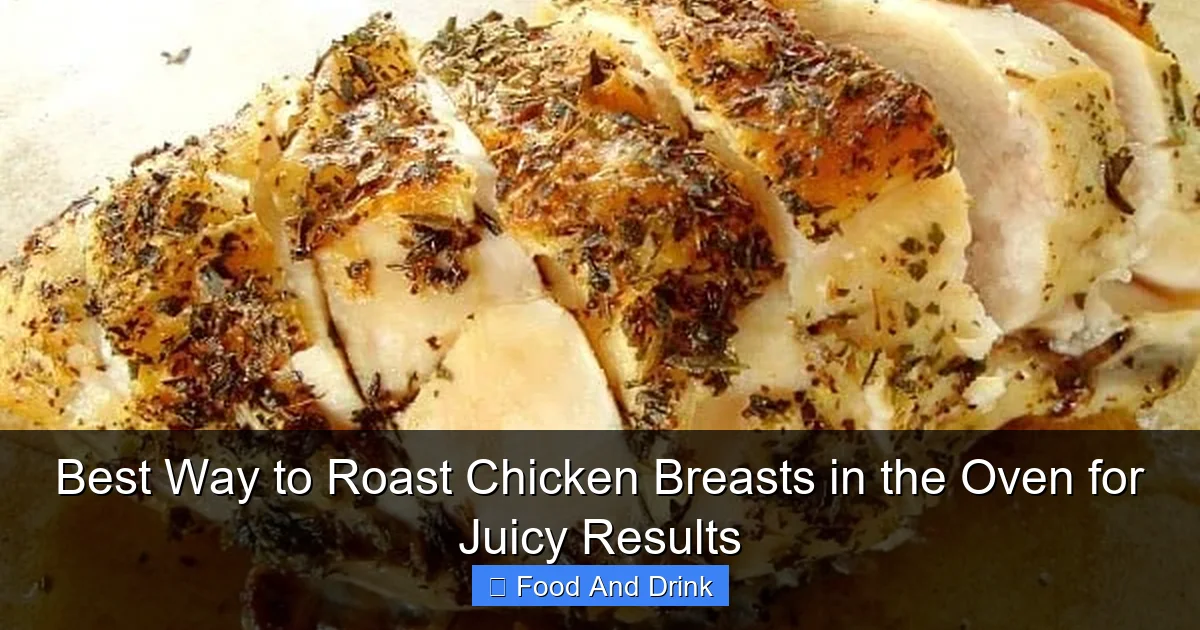
Visual guide about Best Way to Roast Chicken Breasts in the Oven for Juicy Results
Image source: gooddinnermom.com
Now for the main event: roasting. The key to juicy chicken is using the right temperature and timing.
High Heat for Juicy Results
The best way to roast chicken breasts in the oven is at a high temperature: 425°F (220°C). This might seem counterintuitive—after all, lower temperatures are often recommended for delicate meats. But with chicken breasts, high heat actually helps seal in moisture by quickly forming a crust on the outside. This crust acts like a barrier, preventing juices from escaping.
At lower temperatures (like 350°F/175°C), the chicken cooks more slowly, giving moisture more time to evaporate. You end up with dry, overcooked meat. High heat minimizes this risk and gives you that perfect balance of tender interior and golden exterior.
Roasting Time and Doneness
Roasting time depends on the size and type of chicken breast. Boneless, skinless breasts usually take 20 to 25 minutes at 425°F. Bone-in, skin-on breasts take 35 to 45 minutes.
But here’s the most important tip: use a meat thermometer. Don’t rely on time alone. Insert the thermometer into the thickest part of the breast, avoiding the bone. The chicken is safe to eat at 165°F (74°C), but pulling it out at 160°F (71°C) is better. The temperature will continue to rise 5 degrees as it rests—this is called carryover cooking.
Overcooking is the #1 cause of dry chicken. Even a few extra minutes can make a big difference. So trust the thermometer, not the clock.
Using a Roasting Rack or Aromatics
To prevent the bottom of the chicken from getting soggy, use a roasting rack in your pan. This elevates the chicken and allows hot air to circulate underneath, promoting even browning.
If you don’t have a rack, you can place the chicken on a bed of aromatics like sliced onions, carrots, celery, or garlic cloves. These add flavor and keep the chicken from sitting in its own juices. Plus, they make a great base for pan sauces later.
Don’t Overcrowd the Pan
Give each chicken breast plenty of space. If they’re touching or crowded, steam will build up instead of browning. This leads to boiled, not roasted, chicken. Use a large enough pan or baking sheet so each piece has at least an inch of space around it.
Seasoning and Flavor Variations
Plain roasted chicken can be delicious, but a little seasoning goes a long way. The best way to roast chicken breasts in the oven includes layering flavors so every bite is satisfying.
Classic Herbs and Spices
A simple blend of salt, pepper, garlic powder, and dried thyme or rosemary works beautifully. Rub it on with a little olive oil for even coverage. For a Mediterranean twist, add oregano, lemon zest, and a pinch of red pepper flakes.
Marinades and Glazes
Marinating for 30 minutes to 2 hours can add depth. Try a mix of olive oil, lemon juice, Dijon mustard, and honey. Or go bold with a soy-ginger marinade for an Asian-inspired flavor.
For a sweet glaze, brush the chicken with a mixture of honey, balsamic vinegar, and Dijon during the last 5 minutes of roasting. This creates a sticky, caramelized crust.
Butter and Herb Infusions
For extra richness, top each breast with a small pat of butter and fresh herbs like parsley, chives, or tarragon before roasting. The butter melts into the meat, adding moisture and flavor.
You can also make compound butter—mix softened butter with minced garlic, lemon zest, and herbs—then spread a thin layer under the skin (if using skin-on) or on top of the breast.
Resting and Serving
Once the chicken reaches 160°F (71°C), take it out of the oven and let it rest for 5 to 10 minutes. This is non-negotiable. Resting allows the juices to redistribute throughout the meat. If you cut into it immediately, all the flavorful liquid will spill out, leaving the chicken dry.
Cover loosely with foil to keep it warm, but don’t wrap it tightly—this can steam the skin and make it soggy.
Serving Suggestions
Serve your roasted chicken breasts with simple sides like roasted vegetables, mashed potatoes, or a fresh salad. Slice them and toss into grain bowls, pasta, or tacos. Leftovers make excellent sandwiches or cold salads.
For a restaurant-style presentation, slice the chicken diagonally and fan it out on the plate. Drizzle with a little olive oil or pan juices for extra shine and flavor.
Common Mistakes to Avoid
Even with the best method, mistakes can happen. Here are the most common ones—and how to fix them.
Overcooking
This is the #1 culprit. Always use a thermometer and pull the chicken out at 160°F. Remember, it will keep cooking as it rests.
Skipping the Brine or Dry Brine
If you want juicy chicken, don’t skip this step. Even a quick 30-minute brine makes a noticeable difference.
Using Cold Chicken
Always let the chicken come to room temperature before roasting. Cold meat cooks unevenly.
Not Patting Dry
Wet skin won’t crisp. Always pat the chicken dry before seasoning.
Overcrowding the Pan
Give each breast space. Steam = soggy chicken.
Conclusion
Roasting chicken breasts in the oven doesn’t have to be a gamble. With the right technique—high heat, proper prep, and a meat thermometer—you can achieve juicy, flavorful results every single time. The best way to roast chicken breasts in the oven is simple, reliable, and perfect for both weeknight dinners and meal prep.
Start with quality chicken, brine or dry brine for moisture, season well, and roast at 425°F. Use a thermometer, let it rest, and enjoy tender, delicious meat that’s anything but dry. Once you master this method, you’ll wonder why you ever settled for less.
So next time you’re planning dinner, skip the guesswork and roast with confidence. Your taste buds—and your family—will thank you.
🎥 Related Video: BAKED CHICKEN BREAST | juicy, tender, easy, and oh, so flavorful!
📺 Downshiftology
Perfectly baked chicken breasts that are juicy, tender, and loaded with flavor! If you’ve ever struggled with dry, rubbery, and just …
Frequently Asked Questions
Can I freeze roasted chicken breasts?
Yes, you can freeze roasted chicken breasts for up to 3 months. Let them cool completely, then store in airtight containers or freezer bags. Reheat in the oven at 350°F until warmed through.
What if my chicken breasts are uneven in size?
Pound the thicker parts to match the thinner ones using a meat mallet or rolling pin. This ensures even cooking and prevents dry spots.
Can I use frozen chicken breasts?
It’s best to thaw them first. If you must use frozen, add 50% more cooking time and check the temperature frequently to avoid overcooking.
Do I need to flip the chicken while roasting?
No, flipping isn’t necessary when roasting in the oven. The even heat circulation cooks the chicken thoroughly without needing to turn it.
What’s the difference between wet and dry brining?
Wet brining soaks the chicken in saltwater, while dry brining uses salt directly on the surface. Both add moisture and flavor, but dry brining also helps crisp the skin.
Can I roast chicken breasts at a lower temperature?
You can, but it increases the risk of dry meat. Lower temperatures (like 350°F) cook more slowly, giving moisture more time to escape. High heat is recommended for juicier results.


