



The best way to cook roast chicken in oven delivers crispy skin and succulent meat through proper seasoning, high heat, and resting. With simple techniques like dry brining and trussing, you can achieve restaurant-quality results at home—no special equipment needed.
There’s something deeply comforting about the smell of a roast chicken wafting through the kitchen. It’s a classic dish that feels both rustic and elegant—perfect for weeknight dinners or special occasions. But despite its simplicity, many home cooks struggle to get that perfect balance: crispy, golden skin and impossibly juicy meat. Too often, the result is dry breast meat or undercooked thighs, leaving you wondering what went wrong.
The truth is, the best way to cook roast chicken in oven isn’t about fancy gadgets or secret ingredients. It’s about understanding a few key principles—timing, temperature, moisture control, and preparation—and applying them consistently. With the right method, you can turn a humble whole chicken into a show-stopping centerpiece that your family will beg you to make again and again. Whether you’re a beginner or a seasoned cook looking to refine your technique, this guide will walk you through every step to ensure juicy, flavorful results every single time.
Key Takeaways
- Dry brine your chicken 12–24 hours ahead: This draws out moisture, seasons deeply, and helps create crispy skin during roasting.
- Pat the skin completely dry before roasting: Moisture is the enemy of crispiness—dry skin ensures a golden, crackling finish.
- Roast at high heat (425°F/220°C) for the first 30 minutes: High heat jumpstarts browning and renders fat for crispy skin without drying out the meat.
- Use a meat thermometer to check doneness: Insert into the thickest part of the thigh; 165°F (74°C) means it’s safe and juicy.
- Let the chicken rest for 15–20 minutes before carving: Resting allows juices to redistribute, keeping every bite moist.
- Truss the chicken for even cooking: Tying the legs together helps the bird cook uniformly and retain its shape.
- Add aromatics inside the cavity: Onions, garlic, lemon, and herbs infuse flavor from the inside out.
Quick Answers to Common Questions
Should I rinse the chicken before roasting?
No, rinsing raw chicken can spread bacteria around your sink and kitchen. Instead, pat it dry with paper towels and proceed with dry brining or seasoning.
Can I roast a frozen chicken?
It’s not recommended. Frozen chicken cooks unevenly and can lead to food safety issues. Always thaw chicken in the refrigerator before roasting.
How do I know if my chicken is undercooked?
The safest way is to use a meat thermometer. The internal temperature should reach 165°F (74°C) in the thigh. Juices should run clear, and the leg should move easily.
Can I use a roasting bag?
Yes, but it will steam the chicken instead of roasting it, resulting in softer skin. For crispy skin, avoid roasting bags and use a rack in a pan.
What if my chicken is browning too fast?
Tent the breast loosely with foil to slow down browning. This protects the skin while allowing the thighs to finish cooking.
📑 Table of Contents
Why Roast Chicken Can Be Tricky (And How to Fix It)
Roasting a whole chicken seems straightforward: toss it in the oven and wait. But the reality is that chicken has two main types of meat—dark (thighs and legs) and white (breast)—and they cook at different rates. The breast meat dries out quickly at high heat, while the thighs need more time to become tender. This mismatch is why so many roast chickens end up with dry breasts and undercooked legs.
Another common issue is moisture. If the skin isn’t dry before roasting, it steams instead of crisping. And if you don’t let the chicken rest after cooking, all those precious juices spill out when you carve, leaving the meat dry. Even seasoning can be a pitfall—salting too late or not enough can result in bland meat.
The good news? These problems are entirely avoidable. By using techniques like dry brining, proper drying, and precise temperature control, you can overcome these challenges. The best way to cook roast chicken in oven accounts for these variables and adjusts the process accordingly. It’s not about perfection—it’s about consistency and understanding how heat and time affect the meat.
The Science Behind Juicy Meat
Juiciness in roast chicken comes from retained moisture and proper fat distribution. Chicken breast meat is lean, with little fat, so it loses moisture quickly when exposed to high heat. Thigh meat, on the other hand, has more fat and connective tissue, which breaks down during cooking to keep it tender.
When you cook chicken, the proteins contract and squeeze out moisture. If the meat gets too hot too fast, this process accelerates, leading to dryness. That’s why controlling temperature is crucial. Starting with a high-heat blast helps crisp the skin quickly, while finishing at a lower temperature allows the meat to cook through gently.
Dry brining—salting the chicken in advance—also plays a key role. Salt draws out moisture initially, but then gets reabsorbed, seasoning the meat deeply and helping it retain juices during cooking. It also alters the protein structure slightly, making the meat more tender.
Common Mistakes to Avoid
Even experienced cooks make these errors. One is not drying the skin thoroughly. If you skip this step, you’ll end up with rubbery, pale skin instead of a golden crust. Another is overcrowding the pan. Roasting chicken needs space for hot air to circulate—otherwise, it steams instead of roasts.
Using the wrong pan can also be a problem. A shallow roasting pan or even a baking sheet with a rack works best. Deep pans trap steam, which is the enemy of crispy skin. And don’t forget to check the internal temperature—guessing based on time alone often leads to overcooking.
Finally, carving too soon is a big mistake. Resting allows the juices to settle. If you cut into the chicken immediately, those juices run out, and you’re left with dry meat. Patience pays off here.
Choosing the Right Chicken

Visual guide about Best Way to Cook Roast Chicken in Oven for Juicy Results
Image source: cdn.apartmenttherapy.info
Not all chickens are created equal when it comes to roasting. The quality and type of bird you choose can significantly impact the final result. While any whole chicken can be roasted, some are better suited for achieving that perfect balance of flavor and texture.
Organic vs. Conventional
Organic chickens are raised without antibiotics or synthetic pesticides, and they’re often given access to outdoor spaces. While this doesn’t necessarily mean they taste better, many people prefer the ethical and environmental benefits. Organic chickens may also have a more robust flavor due to their diet and lifestyle.
Conventional chickens, on the other hand, are typically raised in larger facilities and may be injected with saline solutions to increase moisture and weight. This can dilute flavor and make the meat less satisfying. If you’re aiming for the best way to cook roast chicken in oven, choosing a high-quality bird—whether organic, free-range, or pasture-raised—is a smart move.
Free-Range and Pasture-Raised Options
Free-range chickens have access to the outdoors, which can lead to more active birds with better muscle development. This often translates to richer flavor and firmer texture. Pasture-raised chickens spend most of their lives on pasture, eating insects, seeds, and grass. These birds tend to have deeper, more complex flavors and higher levels of omega-3 fatty acids.
While these options are usually more expensive, they’re worth it if you’re serious about flavor. A pasture-raised chicken roasted with simple herbs and lemon can taste like a completely different dish compared to a conventional bird.
Size Matters
The size of your chicken affects cooking time and moisture retention. A 3- to 4-pound (1.4–1.8 kg) bird is ideal for most home ovens. Smaller chickens cook faster but can dry out more easily. Larger birds take longer and may require adjustments to prevent the breast from overcooking before the thighs are done.
If you’re feeding a crowd, consider roasting two smaller chickens instead of one large one. This gives you more control over cooking and ensures even doneness.
Preparation: The Secret to Success

Visual guide about Best Way to Cook Roast Chicken in Oven for Juicy Results
Image source: twotwistedsisters.blog
The best way to cook roast chicken in oven starts long before it hits the heat. Proper preparation is what separates a good roast from a great one. This includes dry brining, drying the skin, trussing, and seasoning—each step plays a crucial role.
Dry Brining: The Game-Changer
Dry brining is simply salting the chicken in advance and letting it sit uncovered in the refrigerator. This technique does three things: it seasons the meat deeply, helps retain moisture, and dries out the skin for better browning.
To dry brine, generously salt the chicken inside and out—about 1 teaspoon of kosher salt per pound of meat. Place it on a wire rack set over a baking sheet and refrigerate uncovered for 12 to 24 hours. The cold air in the fridge helps dry the skin, while the salt works its magic on the meat.
You’ll notice the chicken looks slightly firmer and drier after brining—that’s exactly what you want. Rinse it lightly if you’re concerned about saltiness, but most of the salt has been absorbed.
Drying the Skin
Even if you didn’t dry brine, you must pat the skin completely dry before roasting. Use paper towels to absorb every bit of moisture. This step is non-negotiable for crispy skin. If the skin is wet, it will steam in the oven instead of browning.
For extra insurance, let the chicken sit at room temperature for 30 minutes after drying. This helps the skin crisp up even more and ensures more even cooking.
Trussing the Chicken
Trussing means tying the legs together with kitchen twine and tucking the wings under the body. This isn’t just for presentation—it helps the chicken cook evenly. Without trussing, the legs and wings can overcook while the breast is still underdone.
To truss, cross the legs and tie them securely. Tuck the wing tips behind the shoulders. If you don’t have twine, you can use a simple knot or even a silicone band. The goal is to create a compact shape that roasts uniformly.
Seasoning and Aromatics
Seasoning is where you can get creative. After dry brining, you can add additional flavor with herbs, spices, and aromatics. Rub the skin with olive oil or softened butter to help it brown and add richness.
Inside the cavity, stuff with halved onions, garlic cloves, lemon wedges, and fresh herbs like rosemary, thyme, or sage. These won’t be eaten, but they’ll infuse the meat with incredible aroma and flavor as the chicken roasts.
You can also season under the skin—gently loosen the skin over the breast and thighs and rub in a mixture of butter, garlic, and herbs. This direct contact with the meat ensures deep flavor.
Cooking Method: Step-by-Step Guide
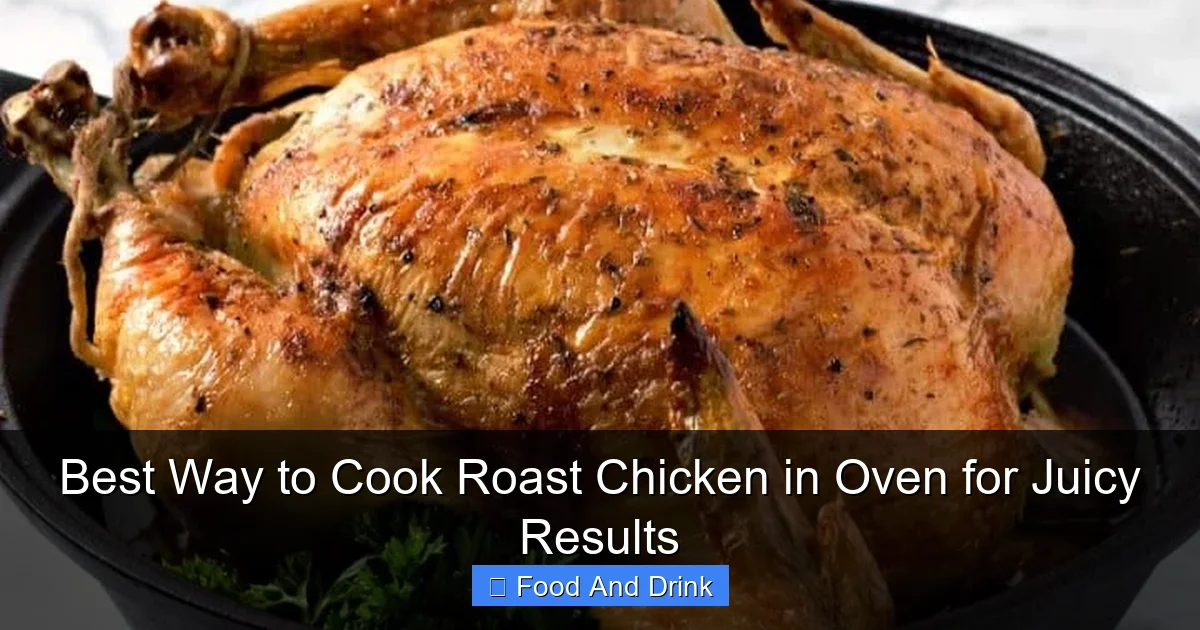
Visual guide about Best Way to Cook Roast Chicken in Oven for Juicy Results
Image source: zonacooks.com
Now that your chicken is prepped, it’s time to cook. The best way to cook roast chicken in oven uses a two-stage temperature method: high heat to start, then lower heat to finish. This ensures crispy skin and juicy meat without overcooking.
Preheat the Oven
Set your oven to 425°F (220°C). This high temperature is essential for browning the skin quickly. Make sure the oven is fully preheated before placing the chicken inside—this can take 15–20 minutes.
Prepare the Pan
Use a shallow roasting pan or a baking sheet with a wire rack. The rack elevates the chicken, allowing hot air to circulate underneath and preventing the bottom from steaming. If you don’t have a rack, you can place the chicken directly on the pan, but rotate it halfway through for even browning.
Add chopped vegetables like carrots, potatoes, and onions to the pan if desired. They’ll absorb the drippings and make a delicious side dish. Just don’t overcrowd—leave space around the chicken.
Roasting Time and Temperature
Place the chicken breast-side up in the pan. Roast at 425°F (220°C) for the first 30 minutes. This high heat jumpstarts the browning process and renders fat from the skin.
After 30 minutes, reduce the oven temperature to 375°F (190°C). Continue roasting until the internal temperature reaches 165°F (74°C) in the thickest part of the thigh, away from the bone. This usually takes another 45–60 minutes for a 3–4 pound chicken.
Use a meat thermometer to check doneness. Insert it into the thigh without touching the bone. If it reads 165°F, the chicken is safe to eat. The breast may read a few degrees lower, which is fine—it’s better to slightly undercook the breast than overcook it.
Basting: Yes or No?
Basting—pouring pan juices over the chicken during roasting—is a topic of debate. Some swear by it for flavor and moisture, but it can actually lower the oven temperature each time you open the door, leading to uneven cooking.
If you do baste, do it sparingly and only after the first 30 minutes. Use a spoon or bulb baster to avoid losing too much heat. Alternatively, you can rely on the natural juices and aromatics inside the cavity for flavor.
Checking for Doneness
Besides using a thermometer, you can check for doneness by wiggling the leg. If it moves freely and the juices run clear when you pierce the thigh, the chicken is done. The skin should be golden brown and crisp.
If the breast is done but the thighs need more time, you can tent the breast loosely with foil to prevent overcooking while the legs finish.
Resting and Carving
Once the chicken is out of the oven, the work isn’t over. Resting is one of the most important steps in the best way to cook roast chicken in oven. It allows the juices to redistribute throughout the meat, ensuring every bite is moist.
How Long to Rest
Let the chicken rest for 15–20 minutes before carving. Place it on a cutting board or platter, loosely tented with foil. This keeps it warm while allowing the internal temperature to stabilize.
During this time, the meat fibers relax and reabsorb the juices that were forced out during cooking. If you carve too soon, those juices will spill out, leaving the meat dry.
Carving Like a Pro
To carve, start by removing the legs. Pull one leg away from the body and cut through the joint where it connects. Repeat on the other side. Then, slice the breast meat against the grain into even portions.
You can also remove the wings and serve them separately. Save the carcass for making stock—it’s full of flavor and nutrients.
Serve the chicken with the roasted vegetables from the pan, or pair it with a fresh salad or mashed potatoes for a complete meal.
Serving Suggestions and Leftovers
A perfectly roasted chicken is delicious on its own, but it also pairs beautifully with a variety of sides and sauces.
Side Dishes
Classic pairings include roasted root vegetables, garlic mashed potatoes, or a simple green salad. You can also serve it with rice, quinoa, or crusty bread to soak up the pan juices.
Sauces and Gravy
Make a quick pan sauce by deglazing the roasting pan with chicken broth or wine. Scrape up the browned bits, add a splash of cream or butter, and simmer until slightly thickened. This adds richness and ties the meal together.
Using Leftovers
Leftover roast chicken is incredibly versatile. Shred the meat for tacos, salads, or sandwiches. Use it in soups, casseroles, or pasta dishes. The bones make excellent stock for future meals.
Store leftovers in an airtight container in the refrigerator for up to 4 days, or freeze for up to 3 months.
Tips for Perfect Results Every Time
Even with the best method, small adjustments can make a big difference. Here are some pro tips to ensure your roast chicken is always a success.
Use a Meat Thermometer
This is the most reliable way to check doneness. Don’t rely on time alone—ovens vary, and chicken sizes differ. A digital instant-read thermometer is inexpensive and worth every penny.
Rotate the Pan
Ovens often have hot spots. Rotate the pan halfway through cooking to ensure even browning.
Don’t Overstuff the Cavity
While aromatics add flavor, overstuffing can prevent heat from circulating inside the bird, leading to undercooked meat. Use a few pieces of onion, lemon, and herbs—no more.
Save the Drippings
The juices and fat in the pan are liquid gold. Use them for gravy, to roast vegetables, or to flavor rice. Strain and store any excess in the freezer for future use.
Practice Makes Perfect
Every oven is different, and every chicken varies slightly. Don’t be discouraged if your first attempt isn’t perfect. Take notes on timing, temperature, and seasoning, and adjust next time.
The best way to cook roast chicken in oven is a skill that improves with practice. Once you master the basics, you’ll be able to adapt the method to your preferences and equipment.
Roasting a chicken doesn’t have to be intimidating. With the right preparation, technique, and attention to detail, you can create a dish that’s both impressive and deeply satisfying. Whether you’re cooking for a holiday dinner or a quiet weeknight meal, this method delivers consistent, juicy results that will have everyone asking for seconds. So preheat that oven, grab your favorite chicken, and get ready to enjoy the best roast chicken of your life.
Frequently Asked Questions
How long does it take to roast a 4-pound chicken?
A 4-pound chicken typically takes about 1 hour and 15 minutes to 1 hour and 30 minutes at 425°F (220°C) initially, then 375°F (190°C). Always check the internal temperature to confirm doneness.
Can I roast chicken at 350°F instead?
Yes, but it will take longer and may not brown as well. Roasting at 350°F (175°C) can take 1.5 to 2 hours. For better browning, start at a higher temperature.
Do I need to butter the chicken?
Butter adds richness and helps brown the skin, but it’s not required. Olive oil or duck fat work well too. The key is to use a fat that can withstand high heat.
Can I stuff the chicken with bread stuffing?
It’s safer to cook stuffing separately. Stuffing inside the chicken can remain undercooked even if the bird is done, increasing the risk of foodborne illness.
Why is my chicken skin not crispy?
This is usually due to moisture. Make sure the skin is completely dry before roasting, and use a rack so air can circulate underneath. Dry brining also helps.
Can I roast chicken on a sheet pan?
Yes, a baking sheet with a wire rack works perfectly. Just ensure the chicken isn’t touching the sides and has space for air to flow around it.


