



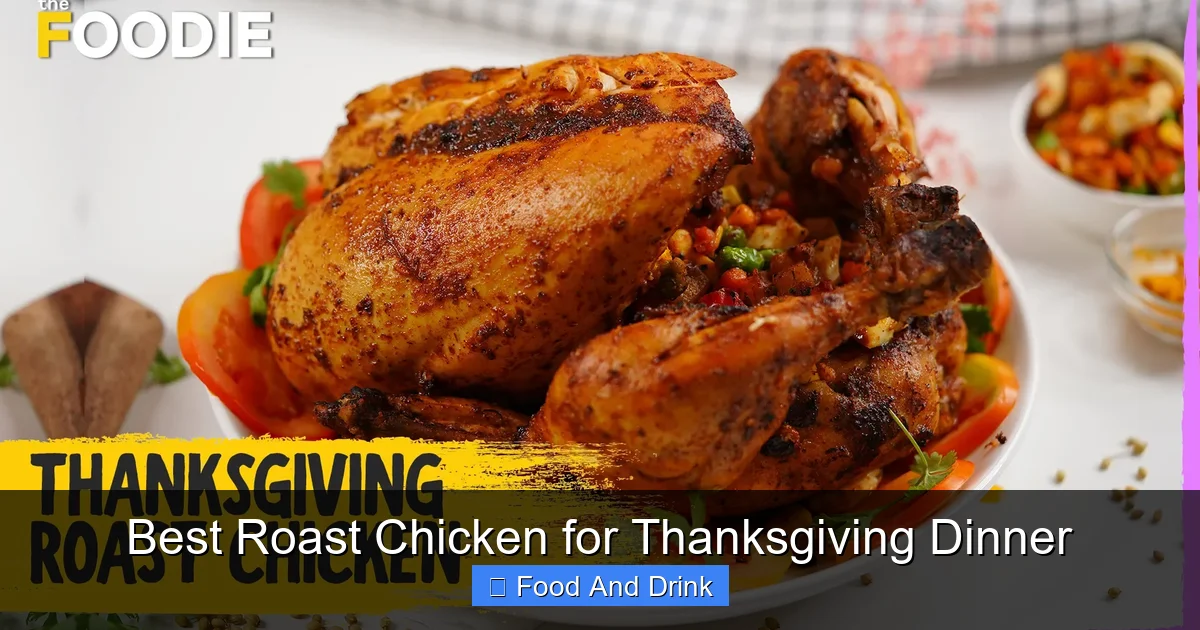
Looking for the best roast chicken for Thanksgiving? This guide covers everything you need—from selecting the right bird to mastering seasoning, roasting techniques, and carving like a pro. Whether you’re feeding a crowd or keeping it cozy, a perfectly roasted chicken can steal the show with less stress and more flavor.
Key Takeaways
- Choose the right chicken: Opt for a high-quality, organic or free-range bird (3–5 lbs) for the best flavor and texture.
- Brining is a game-changer: A saltwater or herb brine ensures juicy, tender meat and enhances natural flavors.
- Season generously and evenly: Use a mix of salt, pepper, herbs, and aromatics like garlic and lemon for depth.
- Roast at high heat first, then lower: Start at 425°F to crisp the skin, then reduce to 350°F to cook through without drying out.
- Let it rest before carving: Resting for 20–30 minutes allows juices to redistribute, keeping the meat moist.
- Use a meat thermometer: Cook to an internal temperature of 165°F in the thickest part of the thigh for safety and doneness.
- Serve with confidence: Pair with classic sides like mashed potatoes, stuffing, and cranberry sauce for a complete Thanksgiving meal.
Quick Answers to Common Questions
Can I use a frozen chicken for Thanksgiving?
Yes, but make sure to thaw it completely in the refrigerator (allow 24 hours per 5 pounds) before brining and roasting. Never roast a partially frozen chicken, as it can lead to uneven cooking.
How long should I brine a 4-pound chicken?
For a wet brine, 4–12 hours is ideal. For dry brining, 12–24 hours in the fridge works best. Don’t exceed 24 hours, as the meat can become too salty.
What’s the best way to crisp the skin?
Start roasting at a high temperature (425°F), use a rack, and dry brine or pat the skin very dry before seasoning. Avoid covering the chicken while it roasts.
Can I roast vegetables with the chicken?
Absolutely! Place chopped potatoes, carrots, celery, or Brussels sprouts around the chicken in the roasting pan. They’ll absorb the drippings and become deliciously caramelized.
How do I know when the chicken is done?
Use a meat thermometer. Insert it into the thickest part of the thigh without touching the bone. The chicken is safe to eat when it reaches 165°F internally.
📑 Table of Contents
- Why Roast Chicken Deserves a Spot on Your Thanksgiving Table
- Choosing the Right Chicken: Quality Matters
- Brining: The Secret to Juicy, Flavorful Meat
- Seasoning and Flavoring Your Roast Chicken
- Roasting Techniques for Perfect Results
- Resting and Carving Like a Pro
- Pan Sauce: Elevating Your Roast Chicken
- Common Mistakes to Avoid
- Conclusion: A Thanksgiving Feast with Roast Chicken
Why Roast Chicken Deserves a Spot on Your Thanksgiving Table
Thanksgiving is synonymous with tradition—turkey, stuffing, pumpkin pie, and family gathered around the table. But what if you could enjoy all the warmth and flavor of the holiday without the stress of roasting a 20-pound bird? Enter the humble roast chicken: the unsung hero of festive feasts.
Roast chicken is not only easier to prepare than turkey, but it’s also more forgiving. It cooks faster, requires less space in the oven, and delivers incredible flavor when done right. Whether you’re hosting a small gathering or simply prefer chicken over turkey, a perfectly roasted bird can be the star of your Thanksgiving dinner. And the best part? It’s versatile, budget-friendly, and leaves plenty of room for your favorite sides.
In this guide, we’ll walk you through everything you need to know to make the best roast chicken for Thanksgiving. From choosing the right bird to mastering the art of seasoning and roasting, you’ll learn how to create a golden, juicy, and aromatic centerpiece that will impress your guests and satisfy your taste buds. Let’s get cooking.
Choosing the Right Chicken: Quality Matters
Not all chickens are created equal—especially when it comes to roasting. The foundation of a great roast chicken starts with selecting the right bird. Here’s what to look for:
Size and Weight
For a Thanksgiving dinner, aim for a chicken between 3 and 5 pounds. A 4-pound bird typically serves 4–6 people, making it ideal for most gatherings. Smaller birds cook faster and can dry out more easily, while larger ones may take too long and risk uneven cooking. A medium-sized chicken strikes the perfect balance.

Visual guide about Best Roast Chicken for Thanksgiving Dinner
Image source: images.rawpixel.com
Organic and Free-Range Options
Whenever possible, choose organic or free-range chickens. These birds are raised with better living conditions, fed a natural diet, and often have more flavorful, firmer meat. Look for labels like “USDA Organic,” “Free-Range,” or “Pasture-Raised” at your local grocery store or butcher. While they may cost a bit more, the difference in taste and texture is worth it.
Fresh vs. Frozen
Fresh chickens are ideal, but high-quality frozen birds can also work well—just make sure to thaw them completely in the refrigerator (allow 24 hours for every 5 pounds). Avoid chickens with excessive ice crystals or a strong odor, as these can be signs of poor handling or age.
Whole vs. Spatchcocked
You can roast a whole chicken traditionally, or try spatchcocking (butterflying) it for faster, more even cooking. Spatchcocking involves removing the backbone with kitchen shears and flattening the bird. This method reduces cooking time by about 30% and ensures crisp skin all over. It’s a great option if you’re short on oven space or time.
Brining: The Secret to Juicy, Flavorful Meat
If you’ve ever eaten a dry, bland roast chicken, chances are it wasn’t brined. Brining is one of the most effective ways to ensure your chicken stays moist and flavorful, even after roasting.
What Is Brining?
Brining is the process of soaking meat in a saltwater solution, often with added sugar, herbs, and spices. The salt helps the chicken retain moisture during cooking, while the other ingredients infuse it with flavor. There are two main types: wet brining (soaking in liquid) and dry brining (rubbing salt directly on the skin).

Visual guide about Best Roast Chicken for Thanksgiving Dinner
Image source: gourmetdinnerservice.com.au
Wet Brining Method
For a wet brine, dissolve 1 cup of kosher salt and ½ cup of sugar in 1 gallon of cold water. Add aromatics like bay leaves, peppercorns, garlic, and fresh herbs (rosemary, thyme, sage). Submerge the chicken in the brine and refrigerate for 4–12 hours. Don’t over-brine, as too much salt can make the meat overly salty.
Dry Brining Method
Dry brining is simpler and doesn’t require a container large enough to hold liquid. Simply rub the chicken generously with kosher salt (about 1 teaspoon per pound) and let it sit uncovered in the fridge for 12–24 hours. The salt draws out moisture, which then reabsorbs into the meat, seasoning it from the inside out. This method also helps crisp the skin beautifully.
Why Brining Works
Brining changes the protein structure of the meat, allowing it to hold onto more water during cooking. This means even if you slightly overcook the chicken, it will still be juicy. Plus, the salt enhances the natural flavors of the bird, making every bite more satisfying.
Seasoning and Flavoring Your Roast Chicken
A perfectly seasoned roast chicken is a thing of beauty. The key is to layer flavors—both inside and out—so every bite is aromatic and delicious.
The Base: Salt and Pepper
Start with a generous amount of kosher salt and freshly ground black pepper. Salt not only seasons the meat but also helps crisp the skin. Use about 1 teaspoon of salt per pound of chicken, adjusting to taste. Pepper adds a subtle heat and depth.
Visual guide about Best Roast Chicken for Thanksgiving Dinner
Image source: imgk.timesnownews.com
Herbs and Spices
Fresh herbs like rosemary, thyme, and sage are classic choices for Thanksgiving. Tie them together with kitchen twine to make a bouquet garni, or chop them finely and mix with butter or oil. You can also add spices like paprika, garlic powder, or onion powder for extra flavor.
Aromatics: Garlic, Lemon, and Onions
Stuff the cavity with aromatics to infuse the meat from the inside. Halved garlic heads, lemon wedges, and quartered onions are excellent choices. As they roast, they release steam and fragrance, keeping the chicken moist and adding a bright, citrusy note.
Butter or Oil: For Richness and Crispness
Rub the outside of the chicken with softened butter or olive oil. Butter adds richness and helps the skin brown beautifully, while oil is a lighter option that still promotes crispiness. For extra flavor, mix the butter with minced garlic, herbs, or lemon zest to create a compound butter.
Optional Add-Ins
For a twist, try adding a splash of white wine or apple cider to the roasting pan. These liquids create steam, prevent the drippings from burning, and add a subtle sweetness to the pan sauce. You can also scatter chopped vegetables (carrots, celery, potatoes) around the chicken to roast alongside it.
Roasting Techniques for Perfect Results
Roasting a chicken may seem simple, but a few key techniques can make the difference between good and exceptional.
Preheating the Oven
Always preheat your oven to the correct temperature before placing the chicken inside. A hot oven ensures the skin crisps quickly and the meat cooks evenly. For most roast chickens, start at 425°F (220°C), then reduce to 350°F (175°C) after 15–20 minutes.
Roasting Pan and Rack
Use a roasting pan with a rack to elevate the chicken. This allows hot air to circulate underneath, cooking the bird evenly and preventing the bottom from steaming. If you don’t have a rack, you can place the chicken on a bed of chopped vegetables, which will also add flavor to the drippings.
Trussing the Chicken
Trussing (tying the legs together with kitchen twine) helps the chicken cook more evenly and gives it a neat, professional appearance. It also prevents the legs from drying out. If you’re short on time, you can skip this step—just make sure to monitor the internal temperature closely.
Roasting Time and Temperature
As a general rule, roast a 4-pound chicken at 425°F for 15–20 minutes, then reduce the heat to 350°F and continue roasting for about 1 hour to 1 hour 15 minutes. Cooking times vary based on oven accuracy, chicken size, and whether it’s brined. Always use a meat thermometer to check for doneness.
Using a Meat Thermometer
Insert the thermometer into the thickest part of the thigh, avoiding the bone. The chicken is done when it reaches an internal temperature of 165°F (74°C). The juices should run clear when pierced, and the legs should move easily in their joints. Remove the chicken from the oven when it hits 160°F—it will continue to cook as it rests, reaching the safe temperature.
Basting (Optional)
Basting—spooning pan juices over the chicken—can add moisture and flavor, but it’s not necessary if you’ve brined and seasoned well. Opening the oven door frequently can cause temperature fluctuations, so baste only if you’re confident in your oven’s stability.
Resting and Carving Like a Pro
The final steps—resting and carving—are just as important as the cooking itself. Skipping them can result in dry, stringy meat and a disappointing presentation.
Why Resting Matters
When you remove the chicken from the oven, the juices are concentrated in the center of the meat. Resting allows these juices to redistribute throughout the bird, ensuring every bite is moist and flavorful. Cover the chicken loosely with foil and let it rest for 20–30 minutes before carving.
Carving Techniques
Use a sharp knife and a sturdy cutting board. Start by removing the legs: pull one leg away from the body and cut through the joint where it connects. Repeat on the other side. Next, slice the breast meat against the grain into even portions. If you’re serving a crowd, you can remove the entire breast and slice it on a separate board for neat presentation.
Serving Suggestions
Arrange the carved chicken on a platter and garnish with fresh herbs or lemon slices for a festive touch. Serve with your favorite Thanksgiving sides: creamy mashed potatoes, herb stuffing, roasted vegetables, and cranberry sauce. Don’t forget to drizzle some of the pan juices over the meat for extra flavor.
Pan Sauce: Elevating Your Roast Chicken
Don’t let those golden drippings go to waste! A simple pan sauce can transform your roast chicken into a restaurant-quality dish.
Deglazing the Pan
After removing the chicken, place the roasting pan on the stovetop over medium heat. Add ½ cup of chicken broth, white wine, or apple cider and scrape up the browned bits (fond) from the bottom of the pan. These bits are packed with flavor.
Reducing and Thickening
Let the liquid simmer and reduce by half to concentrate the flavors. For a richer sauce, whisk in a tablespoon of butter or a splash of heavy cream. If you prefer a thicker consistency, mix 1 teaspoon of cornstarch with 1 tablespoon of cold water and stir it into the sauce. Cook until slightly thickened.
Seasoning the Sauce
Taste the sauce and adjust the seasoning with salt, pepper, or a squeeze of lemon juice. You can also add fresh herbs like parsley or thyme for brightness. Serve the sauce warm in a gravy boat alongside the chicken.
Common Mistakes to Avoid
Even experienced cooks can make mistakes when roasting chicken. Here are a few to watch out for:
- Overcooking: This is the number one cause of dry chicken. Always use a meat thermometer and remove the bird from the oven when it reaches 160°F.
- Underseasoning: Don’t be shy with salt and herbs. A well-seasoned chicken tastes infinitely better.
- Skipping the brine: Brining is not optional if you want juicy meat. Even a quick 4-hour brine makes a difference.
- Not letting it rest: Resting is crucial for juicy results. Don’t carve immediately after roasting.
- Using a cold chicken: Let the chicken come to room temperature for 30 minutes before roasting. This ensures even cooking.
Conclusion: A Thanksgiving Feast with Roast Chicken
Roast chicken may not be the traditional centerpiece of Thanksgiving, but it’s a delicious, practical, and impressive alternative. With the right techniques—choosing a quality bird, brining, seasoning well, and roasting properly—you can create a meal that’s both comforting and memorable.
Whether you’re hosting a small family dinner or simply prefer chicken over turkey, this guide gives you all the tools you need to make the best roast chicken for Thanksgiving. It’s easier, faster, and often more flavorful than turkey, with less stress and more satisfaction.
So this year, consider giving roast chicken a starring role at your Thanksgiving table. Your taste buds—and your sanity—will thank you.
Frequently Asked Questions
Is roast chicken a good substitute for turkey on Thanksgiving?
Yes! Roast chicken is easier to cook, takes less time, and can be just as flavorful. It’s perfect for smaller gatherings or anyone who prefers chicken over turkey.
Can I prepare the chicken the day before?
You can brine and season the chicken up to 24 hours in advance and store it in the fridge. Just let it come to room temperature for 30 minutes before roasting.
What’s the difference between wet and dry brining?
Wet brining soaks the chicken in saltwater, while dry brining involves rubbing salt directly on the skin. Both methods add moisture and flavor, but dry brining also helps crisp the skin.
Do I need to truss the chicken?
Trussing helps the chicken cook evenly and look neat, but it’s not essential. If you skip it, just monitor the internal temperature closely.
Can I make gravy from the pan drippings?
Yes! Deglaze the pan with broth or wine, scrape up the browned bits, and reduce the liquid. Add butter or cream for richness, and season to taste.
How many people does a 4-pound chicken serve?
A 4-pound chicken typically serves 4–6 people, depending on portion size and side dishes. Plan for about ¾ to 1 pound per person.


