



Grilled chicken can make or break your salad. The best grilled chicken for salad is tender, juicy, and packed with flavor—never dry or bland. With the right marinade, cooking technique, and seasoning, you can turn a simple salad into a satisfying meal that’s both healthy and delicious.
When it comes to building the perfect salad, one ingredient stands above the rest: grilled chicken. It’s the protein powerhouse that turns a light side dish into a hearty, satisfying meal. But not all grilled chicken is created equal. Too often, salads are ruined by dry, rubbery, or flavorless chicken that feels like an afterthought. The truth is, the best grilled chicken for salad is juicy, tender, and bursting with flavor—something that complements the fresh greens, crunchy vegetables, and tangy dressings instead of competing with them.
So how do you achieve that ideal bite every time? It’s not just about throwing a chicken breast on the grill and hoping for the best. It’s about understanding the science of moisture, the art of seasoning, and the importance of technique. Whether you’re meal prepping for the week or whipping up a quick dinner, mastering grilled chicken for salad can elevate your entire eating experience. From choosing the right cut to mastering the marinade, every step matters.
In this guide, we’ll walk you through everything you need to know to make the best grilled chicken for salad. You’ll learn how to keep it juicy, how to infuse it with bold flavors, and how to slice it perfectly so every forkful is a delight. We’ll also share pro tips, favorite marinades, and common mistakes to avoid. By the end, you’ll be grilling chicken like a chef—no fancy equipment required.
Key Takeaways
- Marinate for at least 30 minutes: A good marinade infuses flavor and keeps chicken moist during grilling.
- Use a meat thermometer: Cook chicken to 165°F (74°C) to ensure safety without overcooking.
- Choose the right cut: Boneless, skinless breasts or thighs work best—thighs are juicier, breasts are leaner.
- Rest before slicing: Letting chicken rest for 5–10 minutes locks in juices for a tender bite.
- Season simply but boldly: Salt, pepper, garlic, and herbs go a long way in enhancing natural flavor.
- Grill over medium-high heat: This prevents charring while ensuring even cooking and beautiful grill marks.
- Slice against the grain: This makes each bite more tender and easier to eat in a salad.
Quick Answers to Common Questions
What’s the best way to keep grilled chicken moist for salad?
Marinate for at least 30 minutes, use a meat thermometer to avoid overcooking, and let the chicken rest before slicing to lock in juices.
Can I use leftover grilled chicken in salad?
Absolutely! Store leftover grilled chicken in the fridge for up to 4 days. Slice it cold or gently reheat before adding to your salad.
Should I grill chicken breasts or thighs for salad?
Thighs are juicier and more forgiving, while breasts are leaner. Choose based on your preference for flavor and texture.
How do I prevent grilled chicken from drying out?
Use a marinade with oil and acid, avoid high heat, and never cook past 165°F. Resting the meat is also crucial.
Can I season grilled chicken without a marinade?
Yes! Use a dry rub with salt, pepper, garlic powder, and herbs. Let it sit for 15 minutes before grilling for maximum flavor.
📑 Table of Contents
Why Grilled Chicken Is the Ultimate Salad Topper
Grilled chicken has earned its place as the go-to protein for salads—and for good reason. It’s lean, versatile, and packed with high-quality protein, making it a favorite among health-conscious eaters, fitness enthusiasts, and busy families alike. Unlike fried or breaded chicken, grilled chicken is lighter and doesn’t weigh down your salad with excess oil or calories. Plus, the smoky char from the grill adds a depth of flavor that’s hard to replicate with other cooking methods.
But beyond nutrition and taste, grilled chicken offers something else: texture. When done right, it provides a satisfying chew that contrasts beautifully with crisp lettuce, creamy avocado, and crunchy nuts or seeds. It’s the kind of protein that doesn’t just sit on top of your salad—it becomes part of the experience. Whether you’re building a classic Caesar, a Mediterranean-inspired bowl, or a spicy Southwest salad, grilled chicken adapts effortlessly.
Another advantage? It’s incredibly convenient. You can grill a batch ahead of time and store it in the fridge for up to four days, making weekday lunches a breeze. Just slice it cold or warm it gently in a skillet, and you’ve got a protein-packed salad ready in minutes. And because grilled chicken holds up well in dressings (especially vinaigrettes), it won’t get soggy or lose its appeal over time.
The Role of Protein in Balanced Salads
Let’s talk about why protein matters in a salad. While greens and veggies provide fiber, vitamins, and antioxidants, they often fall short on sustained energy and satiety. That’s where grilled chicken comes in. A 3-ounce serving of grilled chicken breast contains about 26 grams of protein—enough to keep you full and energized for hours. This makes your salad more than just a side dish; it becomes a complete, balanced meal.
Protein also helps stabilize blood sugar levels, preventing the mid-afternoon crash that comes from carb-heavy meals. When you pair grilled chicken with complex carbs (like quinoa or sweet potatoes) and healthy fats (like olive oil or nuts), you create a trifecta of nutrients that supports long-term health. It’s no wonder so many nutritionists recommend adding lean protein to salads.
And let’s not forget flavor. Protein-rich foods like chicken have a natural umami quality that enhances the overall taste of a dish. When seasoned and grilled properly, that umami shines through, making every bite more satisfying. Whether you’re eating a simple garden salad or a loaded Cobb, grilled chicken gives it that “wow” factor.
Choosing the Right Cut of Chicken

Visual guide about Best Grilled Chicken for Salad Thats Juicy and Flavorful
Image source: joyfullymad.com
Not all chicken is created equal—especially when it comes to grilling. The cut you choose can make or break your salad. While both chicken breasts and thighs are popular choices, they each have unique qualities that affect texture, flavor, and cooking time.
Boneless, Skinless Chicken Breasts
Chicken breasts are the most common choice for grilled salads—and for good reason. They’re lean, low in fat, and high in protein, making them a healthy option for calorie-conscious eaters. They also cook quickly and absorb marinades well, which is key for flavor.
However, chicken breasts can be tricky to grill without drying out. Because they contain less fat than thighs, they have less natural moisture to keep them tender. That’s why proper marinating and careful cooking are essential. If you’re using chicken breasts, aim for even thickness—pound them gently with a meat mallet if needed—to ensure uniform cooking.
One pro tip: brine your chicken breasts before marinating. A simple saltwater brine (1/4 cup salt dissolved in 4 cups water) for 30 minutes to 2 hours helps the meat retain moisture during grilling. This simple step can make a world of difference in juiciness.
Boneless, Skinless Chicken Thighs
If you’re after maximum juiciness and flavor, chicken thighs are your best bet. They contain more fat and connective tissue than breasts, which means they stay tender and moist even if slightly overcooked. This makes them more forgiving for beginner grillers.
Thighs also have a richer, more pronounced chicken flavor, which stands up well to bold seasonings and smoky grilling. They’re perfect for salads with strong dressings—like chipotle ranch, harissa, or tahini lemon—because they won’t get lost in the mix.
The downside? They’re slightly higher in calories and fat. But for most people, the trade-off is worth it. A 3-ounce serving of grilled chicken thigh still fits into a healthy diet, especially when balanced with plenty of veggies and light dressings.
Bone-In vs. Boneless
While bone-in chicken (like thighs or drumsticks) can be delicious, it’s not ideal for salads. The bones make slicing difficult, and the skin—while tasty—adds extra fat and calories. For salad purposes, boneless cuts are the way to go. They’re easier to portion, quicker to cook, and simpler to slice into bite-sized pieces.
Mastering the Marinade: Flavor That Lasts

Visual guide about Best Grilled Chicken for Salad Thats Juicy and Flavorful
Image source: joyfullymad.com
A great marinade is the secret weapon behind the best grilled chicken for salad. It’s not just about adding flavor—it’s about tenderizing the meat and locking in moisture. Think of it as a flavor bath that preps your chicken for the grill.
Key Components of a Great Marinade
Every effective marinade has three essential elements: acid, oil, and seasoning.
– **Acid** (like lemon juice, vinegar, or yogurt) helps break down proteins, making the meat more tender. It also adds brightness and cuts through richness.
– **Oil** (such as olive oil or avocado oil) coats the chicken, preventing it from sticking to the grill and helping flavors adhere.
– **Seasoning** (herbs, spices, garlic, mustard, etc.) delivers the flavor punch. This is where you can get creative.
A basic marinade might include olive oil, lemon juice, minced garlic, salt, pepper, and fresh herbs like rosemary or thyme. But don’t be afraid to experiment. Try soy sauce and honey for an Asian-inspired twist, or lime juice, cumin, and chili powder for a Mexican flair.
Marinating Time: How Long Is Long Enough?
The ideal marinating time depends on the cut and the ingredients. For chicken breasts, 30 minutes to 2 hours is perfect. Any longer, and the acid can start to “cook” the meat, giving it a mushy texture. Chicken thighs are more forgiving and can marinate for up to 4 hours.
Always marinate in the refrigerator—never at room temperature—to prevent bacterial growth. Use a resealable bag or airtight container, and turn the chicken occasionally to ensure even coverage.
5 Flavor-Packed Marinade Recipes
Here are five easy marinades to try:
1. **Classic Herb Marinade**
1/4 cup olive oil, 2 tbsp lemon juice, 2 cloves garlic (minced), 1 tsp dried oregano, 1/2 tsp salt, 1/4 tsp black pepper.
2. **Honey Garlic Soy Marinade**
1/4 cup soy sauce, 2 tbsp honey, 2 tbsp rice vinegar, 1 tbsp sesame oil, 3 cloves garlic (minced), 1 tsp ginger (grated).
3. **Spicy Lime Marinade**
1/4 cup lime juice, 2 tbsp olive oil, 1 tbsp chili powder, 1 tsp cumin, 1/2 tsp cayenne, 1 clove garlic (minced), salt to taste.
4. **Mediterranean Yogurt Marinade**
1/2 cup plain Greek yogurt, 2 tbsp olive oil, 1 tbsp lemon juice, 1 tsp dried dill, 1 clove garlic (minced), salt and pepper.
5. **BBQ Dry Rub (No Marinade Needed)**
1 tbsp paprika, 1 tsp garlic powder, 1 tsp onion powder, 1 tsp brown sugar, 1/2 tsp chili powder, 1/2 tsp salt, 1/4 tsp black pepper. Rub onto chicken and let sit 15 minutes before grilling.
Grilling Techniques for Juicy, Flavorful Chicken
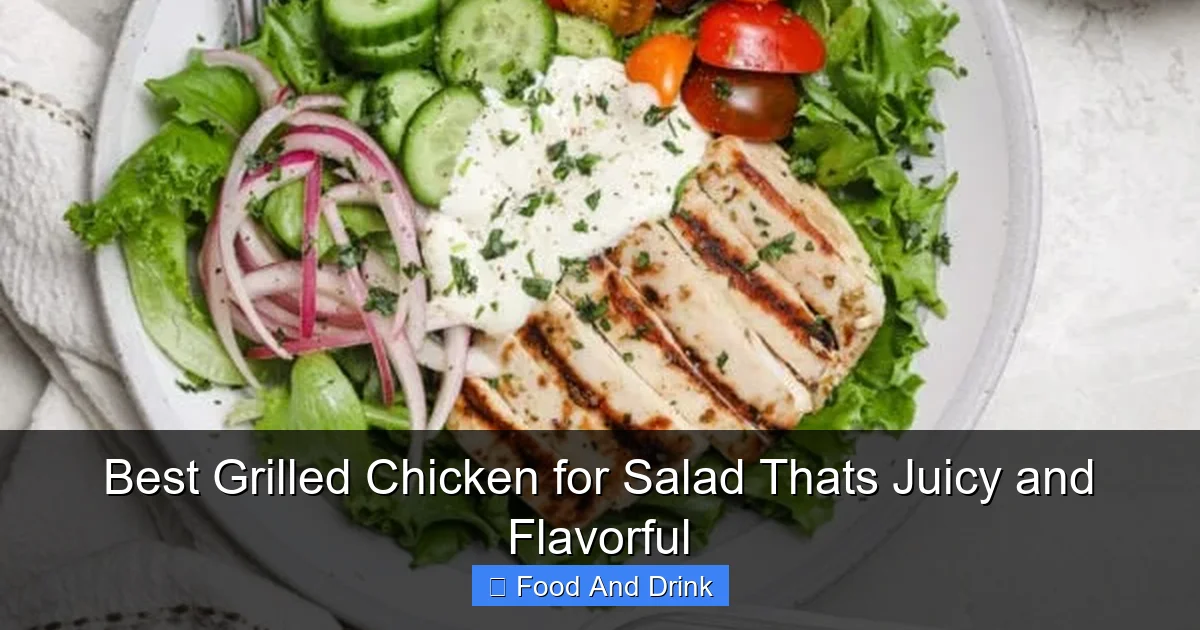
Visual guide about Best Grilled Chicken for Salad Thats Juicy and Flavorful
Image source: wellseasonedstudio.com
Grilling chicken isn’t just about heat—it’s about control. The goal is to cook the chicken evenly without drying it out or charring it to a crisp. Here’s how to get it right every time.
Preheat Your Grill
Always start with a hot grill. Preheat to medium-high heat (around 375°F to 450°F). This ensures a good sear, which locks in juices and creates those beautiful grill marks. If you’re using a gas grill, close the lid for 10–15 minutes. For charcoal, wait until the coals are covered with white ash.
Oil the Grates
To prevent sticking, lightly oil the grill grates with a high-smoke-point oil (like canola or avocado oil). Use tongs and a folded paper towel dipped in oil—never spray oil directly on a hot grill, as it can flare up.
Grill Time and Temperature
For boneless chicken breasts (about 6 ounces each), grill for 6–7 minutes per side. Thighs take 5–6 minutes per side. Use a meat thermometer to check doneness—chicken is safe to eat at 165°F (74°C). Insert the thermometer into the thickest part, avoiding bones or gristle.
Avoid flipping too often. Let the chicken develop a nice crust before turning. And never press down on the meat with a spatula—this squeezes out juices.
Rest Before Slicing
This step is non-negotiable. After grilling, let the chicken rest on a cutting board for 5–10 minutes. This allows the juices to redistribute throughout the meat, ensuring every bite is moist and tender. Slicing too soon means those precious juices will end up on the plate instead of in your salad.
Slicing and Serving: The Final Touch
How you slice your grilled chicken can make a big difference in your salad experience. The goal is uniform, bite-sized pieces that are easy to eat and distribute evenly.
Slice Against the Grain
Always slice chicken against the grain. This means cutting perpendicular to the muscle fibers, which shortens them and makes the meat more tender. To find the grain, look for the lines running through the meat—then slice across them.
Chilled vs. Warm
Both options work, depending on your salad. Warm chicken adds a comforting element to grain bowls or warm salads. Chilled chicken is perfect for cold salads, like a Greek or Caesar. If you’re meal prepping, slice and store chicken in the fridge. To serve warm, gently reheat in a skillet with a splash of broth or water.
Portion Control
Aim for about 3–4 ounces of chicken per salad serving. This provides enough protein without overwhelming the other ingredients. Use a kitchen scale for accuracy, or eyeball it—a 3-ounce portion is roughly the size of a deck of cards.
Pairing Grilled Chicken with Salad Ingredients
The best grilled chicken for salad doesn’t just stand alone—it complements the entire dish. Here’s how to build a balanced, delicious salad around your protein.
Classic Combinations
– **Caesar Salad:** Grilled chicken, romaine, Parmesan, croutons, Caesar dressing.
– **Greek Salad:** Grilled chicken, cucumber, tomato, red onion, Kalamata olives, feta, olive oil-lemon dressing.
– **Southwest Salad:** Grilled chicken, black beans, corn, avocado, cherry tomatoes, tortilla strips, chipotle ranch.
– **Asian Slaw Salad:** Grilled chicken, shredded cabbage, carrots, edamame, sesame seeds, ginger-soy dressing.
Dressing Tips
Choose dressings that enhance, not overpower, the chicken. Vinaigrettes with acidity (like balsamic or lemon) pair well with grilled flavors. Creamy dressings (like ranch or blue cheese) work best with milder seasonings. Always toss the salad first, then top with sliced chicken to prevent sogginess.
Common Mistakes to Avoid
Even experienced cooks make these errors. Avoid them to ensure your grilled chicken is always juicy and flavorful.
– **Overcooking:** This is the #1 cause of dry chicken. Use a thermometer and don’t guess.
– **Skipping the marinade:** Dry brining (salting in advance) or a quick marinade makes a huge difference.
– **Grilling cold chicken:** Let chicken sit at room temperature for 15–20 minutes before grilling for even cooking.
– **Using too high heat:** This causes charring on the outside while the inside remains undercooked.
– **Not resting the meat:** Always rest before slicing.
Conclusion
The best grilled chicken for salad is more than just a protein—it’s the heart of a satisfying, flavorful meal. With the right cut, marinade, and grilling technique, you can transform a simple salad into something extraordinary. Remember to keep it juicy, season it boldly, and slice it with care. Whether you’re meal prepping or cooking for guests, mastering grilled chicken will elevate your salads every time. So fire up the grill, grab your favorite herbs and spices, and get ready to enjoy chicken that’s not just good—it’s unforgettable.
🎥 Related Video: Grilled Chicken Salad with Honey Balsamic Vinaigrette
📺 Matt Santos
Grilled Chicken Salad with Honey Balsamic Vinaigrette Sharing a healthy and high-protein salad recipe with a delicious …
Frequently Asked Questions
How long should I marinate chicken for grilling?
For best results, marinate chicken breasts for 30 minutes to 2 hours and thighs for up to 4 hours. Avoid over-marinating, as acid can make the meat mushy.
What temperature should grilled chicken reach?
Chicken is safe to eat when it reaches an internal temperature of 165°F (74°C). Use a meat thermometer to check the thickest part of the meat.
Can I grill chicken ahead of time for salads?
Yes! Grilled chicken stores well in the fridge for up to 4 days. Slice it cold or reheat gently before adding to your salad.
Why is my grilled chicken dry?
Common causes include overcooking, lack of marinade, or not resting the meat. Use a thermometer and let the chicken rest 5–10 minutes before slicing.
What’s the best way to slice grilled chicken for salad?
Always slice against the grain for maximum tenderness. Cut into uniform, bite-sized pieces so the chicken distributes evenly in the salad.
Can I use a grill pan instead of an outdoor grill?
Absolutely! A grill pan on the stovetop works great for grilled chicken. Preheat it over medium-high heat and follow the same cooking times and techniques.


