



Grilled chicken is the heart of a great Caesar salad, but not all chicken cuts are created equal. The best grilled chicken for Caesar salad is tender, well-seasoned, and cooked to retain moisture—think juicy thighs or perfectly seared breasts. With the right marinade, heat control, and resting time, you can elevate your salad from ordinary to extraordinary in under 30 minutes.
If you’ve ever ordered a Caesar salad at a restaurant and been blown away by how good the grilled chicken tasted, you’re not alone. That perfect bite—tender, slightly charred, bursting with flavor—transforms a simple salad into a meal worth savoring. But here’s the secret: you don’t need a professional kitchen to recreate that magic at home. With the right cut, a few smart techniques, and a little attention to detail, you can make the best grilled chicken for Caesar salad that’s juicy, flavorful, and restaurant-worthy.
The key lies in understanding what makes grilled chicken shine in a salad. Unlike standalone grilled chicken dishes, salad chicken doesn’t need to be the star of the entire plate—it just needs to complement the crisp romaine, tangy dressing, and crunchy croutons. That means it should be moist enough to stand up to the dressing without turning rubbery, and flavorful enough to add depth without overpowering the other ingredients. It’s a delicate balance, but one that’s absolutely achievable with the right approach.
In this guide, we’ll walk you through everything you need to know to make the best grilled chicken for Caesar salad—from choosing the perfect cut to mastering the grill, seasoning like a pro, and assembling a salad that’ll have your family asking for seconds. Whether you’re cooking for a weeknight dinner or hosting a summer barbecue, this method delivers consistent, delicious results every time.
Key Takeaways
- Choose boneless, skinless chicken thighs for maximum juiciness: Thighs have more fat and connective tissue, making them less likely to dry out on the grill.
- Marinate for at least 30 minutes: A simple mix of olive oil, lemon juice, garlic, and herbs infuses flavor and keeps the meat moist.
- Use medium-high heat and avoid overcooking: Cook chicken to an internal temperature of 165°F (74°C) for safety without sacrificing tenderness.
- Let the chicken rest before slicing: Resting allows juices to redistribute, ensuring every bite is succulent.
- Slice against the grain for better texture: This breaks up muscle fibers, making the chicken easier to chew and more enjoyable in each forkful.
- Add a smoky char for depth: A light grill char enhances flavor and complements the creamy Caesar dressing.
- Pair with crisp romaine and fresh toppings: The contrast between cool, crunchy lettuce and warm, savory chicken creates a balanced, satisfying bite.
Quick Answers to Common Questions
What cut of chicken is best for Caesar salad?
Boneless, skinless chicken thighs are ideal because they’re juicier and more flavorful than breasts, making them perfect for grilling.
How long should I marinate chicken for Caesar salad?
Marinate for at least 30 minutes, but no more than 4 hours. Over-marinating can make the meat mushy.
What temperature should grilled chicken reach?
Cook to an internal temperature of 165°F (74°C). Remove from heat at 160°F (71°C) and let it rest to reach the safe temperature.
Can I use pre-cooked grilled chicken?
Yes, but reheat gently to avoid drying it out. Sliced, warmed chicken still works well in a salad.
Should I slice the chicken before or after grilling?
Always slice after grilling and resting. This keeps the juices inside and ensures maximum tenderness.
📑 Table of Contents
Why Grilled Chicken Is the Perfect Caesar Salad Protein
Grilled chicken has become the go-to protein for Caesar salads, and for good reason. It’s lean yet flavorful, versatile enough to pair with bold dressings, and cooks quickly on the grill. But not all grilled chicken is created equal—especially when it comes to salad applications. The best grilled chicken for Caesar salad isn’t just cooked; it’s crafted with intention.
One of the biggest advantages of grilled chicken is its texture. When done right, it offers a satisfying chew that contrasts beautifully with the crispness of romaine lettuce. The slight char from the grill adds a smoky depth that complements the umami-rich Parmesan and anchovies often found in traditional Caesar dressing. Plus, grilling imparts a subtle caramelization that enhances the natural sweetness of the meat, making each bite more complex and enjoyable.
Another reason grilled chicken works so well is its ability to absorb flavor. Unlike boiled or poached chicken, which can taste bland, grilled chicken benefits from marinades, rubs, and high-heat searing that lock in moisture and infuse the meat with savory notes. This is especially important in a Caesar salad, where the chicken needs to hold its own against bold, creamy dressing without becoming soggy or dry.
But perhaps the most underrated benefit is convenience. Grilling chicken for a salad takes less than 20 minutes from start to finish, making it ideal for busy weeknights. And because it’s cooked quickly over high heat, it retains more nutrients than slower cooking methods like braising or roasting. So not only does it taste better—it’s also a healthier choice.
The Science of Juicy Grilled Chicken
Juiciness in grilled chicken comes down to one thing: moisture retention. When chicken is exposed to high heat, its proteins contract and squeeze out moisture, leading to dry, tough meat. To prevent this, you need to understand how heat affects the meat and how to work with it—not against it.
The first factor is fat content. Chicken breasts are lean, which makes them prone to drying out. Thighs, on the other hand, contain more fat and collagen, which melt during cooking and keep the meat tender. That’s why many chefs prefer thighs for grilling—they’re more forgiving and consistently juicy.
Second is temperature control. Cooking chicken too quickly over high heat can cause the outside to burn before the inside is done. Conversely, cooking too slowly can lead to overcooking and dryness. The ideal approach is to use medium-high heat and monitor the internal temperature with a meat thermometer. Remove the chicken at 160°F (71°C) and let it rest—it will continue cooking to 165°F (74°C) safely while retaining moisture.
Finally, resting is crucial. When you slice into hot chicken immediately after grilling, all the juices rush out, leaving the meat dry. Letting it rest for 5–10 minutes allows the juices to redistribute, ensuring every bite is moist and flavorful.
Choosing the Right Cut: Breast vs. Thigh

Visual guide about Best Grilled Chicken for Caesar Salad Thats Juicy and Flavorful
Image source: maebells.com
When it comes to grilled chicken for Caesar salad, the cut you choose can make or break the dish. The two most common options are boneless, skinless chicken breast and boneless, skinless chicken thigh. Both have their pros and cons, but one consistently outperforms the other in terms of juiciness and flavor.
Chicken breast is the classic choice—lean, mild, and widely available. It’s also lower in calories and fat, which makes it appealing for health-conscious eaters. However, its low fat content means it dries out easily, especially on the grill. Even a few minutes too long can turn it rubbery and bland. To make breast work, you need to marinate it thoroughly, monitor cooking time closely, and avoid overcooking.
Chicken thigh, on the other hand, is the unsung hero of grilled chicken. It’s richer, more flavorful, and far more forgiving. The higher fat content acts as a natural baste, keeping the meat moist even if it’s slightly overcooked. Thighs also have a more pronounced chicken flavor, which stands up well to bold seasonings and dressings. Plus, they’re typically less expensive than breasts, making them a budget-friendly option.
For the best grilled chicken for Caesar salad, we recommend boneless, skinless thighs. They deliver consistent juiciness, rich flavor, and a tender texture that pairs perfectly with crisp romaine and creamy dressing. That said, if you prefer breast, you can still make it work—just follow the tips below to keep it moist.
Tips for Grilling Chicken Breast Without Drying It Out
If you’re set on using chicken breast, don’t despair. With a few smart techniques, you can grill it successfully without ending up with dry, chalky meat.
First, brine the chicken. A simple saltwater brine (1/4 cup salt per 4 cups water) for 30–60 minutes helps the meat retain moisture during cooking. Rinse and pat dry before marinating.
Second, pound the breast to an even thickness. This ensures even cooking—thick parts won’t dry out while thin parts burn. Use a meat mallet or rolling pin to gently flatten the breast to about 1/2 inch thick.
Third, use a marinade with acid and fat. A mix of olive oil, lemon juice, garlic, and herbs not only adds flavor but also helps tenderize the meat. Marinate for at least 30 minutes, or up to 4 hours in the fridge.
Finally, use a two-zone grilling method. Sear the chicken over high heat for 2–3 minutes per side to develop a nice crust, then move it to a cooler part of the grill to finish cooking gently. This prevents the outside from burning while the inside reaches the proper temperature.
Mastering the Marinade: Flavor That Sticks

Visual guide about Best Grilled Chicken for Caesar Salad Thats Juicy and Flavorful
Image source: girlcarnivore.com
A great marinade is the secret weapon behind the best grilled chicken for Caesar salad. It does more than just add flavor—it tenderizes the meat, locks in moisture, and creates a delicious crust when grilled. The right marinade can turn an ordinary chicken salad into something extraordinary.
The foundation of any good marinade is a balance of fat, acid, and flavor. Fat (like olive oil) coats the meat and helps it retain moisture. Acid (like lemon juice or vinegar) tenderizes the proteins and brightens the flavor. And flavor comes from aromatics like garlic, herbs, and spices.
For a Caesar-friendly marinade, we recommend a Mediterranean-inspired blend. Combine 1/4 cup olive oil, 2 tablespoons fresh lemon juice, 2 minced garlic cloves, 1 teaspoon Dijon mustard, 1 teaspoon dried oregano, 1/2 teaspoon black pepper, and a pinch of salt. Whisk together and pour over 1–1.5 pounds of chicken. Marinate for at least 30 minutes, or up to 4 hours for deeper flavor.
Marinade Variations to Try
Once you’ve mastered the basics, feel free to experiment with different flavor profiles. Here are a few variations that work beautifully with Caesar salad:
– **Lemon-Herb**: Add fresh parsley, thyme, and a zest of lemon for a bright, fresh taste.
– **Garlic-Rosemary**: Use 2 tablespoons chopped fresh rosemary and 4 cloves garlic for a bold, aromatic punch.
– **Smoky Paprika**: Stir in 1 teaspoon smoked paprika and a dash of cayenne for a subtle heat and smokiness.
– **Asian-Inspired**: Swap lemon for rice vinegar, add 1 tablespoon soy sauce, 1 teaspoon ginger, and a splash of sesame oil for a twist on tradition.
No matter which marinade you choose, always discard any leftover marinade that’s touched raw chicken. Never reuse it as a sauce unless you boil it first to kill bacteria.
Grilling Techniques for Perfect Results
Visual guide about Best Grilled Chicken for Caesar Salad Thats Juicy and Flavorful
Image source: jennierecipes.com
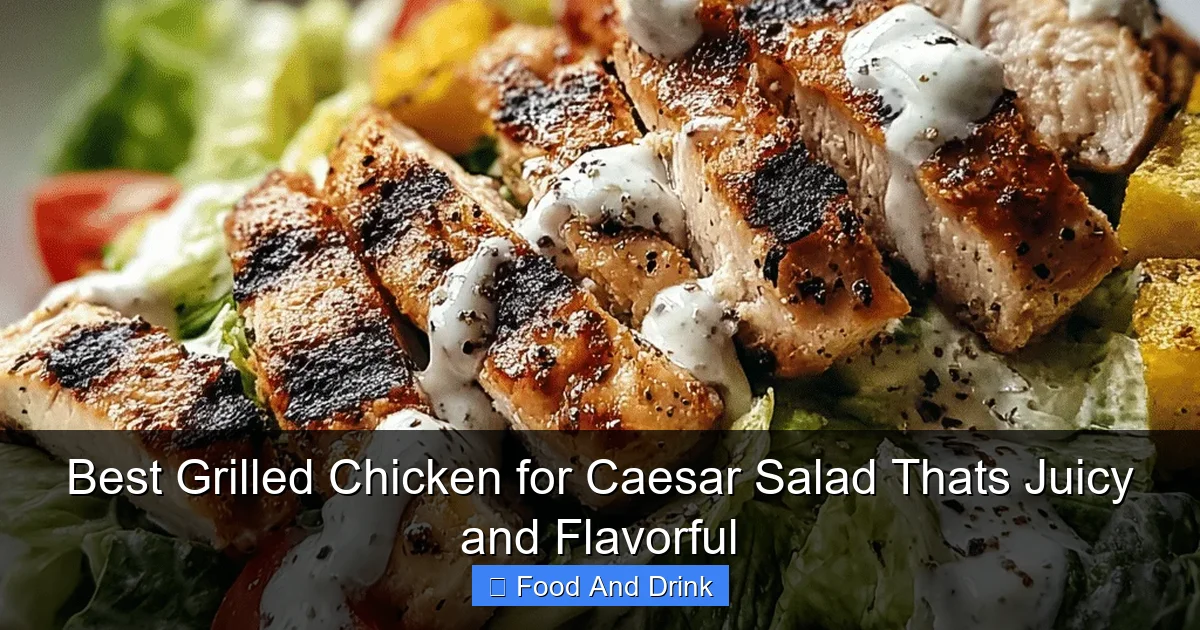
Grilling chicken for Caesar salad isn’t just about throwing it on the grill and hoping for the best. It requires attention to heat, timing, and technique. Follow these steps for consistently juicy, flavorful results.
Prep the Grill
Start by preheating your grill to medium-high heat (around 375–400°F or 190–200°C). A clean, well-oiled grill prevents sticking and ensures even cooking. Use a grill brush to remove any residue, then lightly oil the grates with a paper towel dipped in vegetable oil.
Grill the Chicken
Remove the chicken from the marinade and let excess drip off. Place it on the grill and cook for 5–7 minutes per side, depending on thickness. Avoid moving it too soon—let it develop a nice sear. Flip once, then continue cooking until the internal temperature reaches 160°F (71°C).
Rest and Slice
Transfer the chicken to a cutting board and let it rest for 5–10 minutes. This allows the juices to settle, ensuring every bite is moist. Slice against the grain into 1/2-inch strips—this makes the chicken easier to eat and more tender.
Seasoning and Spice Blends
While marinades add deep flavor, dry rubs and seasonings can give your grilled chicken an extra layer of complexity. A simple spice blend applied before grilling can enhance the natural taste of the meat and create a delicious crust.
For a classic Caesar-friendly seasoning, mix 1 teaspoon each of garlic powder, onion powder, dried oregano, and black pepper. Add 1/2 teaspoon of salt and a pinch of red pepper flakes for a subtle kick. Rub the blend onto the chicken just before grilling.
Homemade Spice Blends to Try
– **Italian Herb Blend**: Combine basil, oregano, thyme, rosemary, garlic powder, and salt.
– **Lemon-Pepper**: Mix lemon zest, black pepper, garlic powder, and a touch of sugar to balance the acidity.
– **Smoky BBQ**: Use smoked paprika, brown sugar, garlic powder, onion powder, and cayenne.
Apply the rub evenly and let the chicken sit for 10–15 minutes before grilling to allow the flavors to penetrate.
Assembling the Perfect Caesar Salad
Once your grilled chicken is ready, it’s time to build the salad. Start with crisp romaine lettuce—chilled and torn into bite-sized pieces. Toss with a classic Caesar dressing (or your favorite store-bought version), then top with freshly grated Parmesan, crunchy croutons, and the sliced grilled chicken.
For extra flair, add anchovy fillets, capers, or a sprinkle of lemon zest. Serve immediately while the chicken is still slightly warm—the contrast between cool lettuce and warm protein is part of what makes this salad so satisfying.
Conclusion
Making the best grilled chicken for Caesar salad doesn’t require fancy equipment or hours of prep. With the right cut, a flavorful marinade, and proper grilling technique, you can create a dish that’s juicy, tender, and packed with flavor. Whether you choose thighs for their natural juiciness or master the art of grilling breast, the key is attention to detail—marinate well, cook to the right temperature, and let the chicken rest.
Pair it with crisp romaine, creamy dressing, and your favorite toppings, and you’ve got a meal that’s both satisfying and elegant. So fire up the grill, grab your tongs, and get ready to enjoy a Caesar salad that’s anything but ordinary.
Frequently Asked Questions
Can I grill chicken ahead of time for Caesar salad?
Yes, you can grill and slice chicken up to 2 days in advance. Store it in the fridge and reheat gently before serving.
What if I don’t have a grill?
Use a stovetop grill pan or broil in the oven. Both methods can create a nice sear and char similar to outdoor grilling.
Is grilled chicken breast ever good in Caesar salad?
Yes, if properly brined, marinated, and cooked to the right temperature. It’s leaner but can still be juicy with the right technique.
How do I keep my Caesar salad from getting soggy?
Toss the lettuce with dressing just before serving, and add toppings like chicken and croutons at the last minute.
Can I use frozen chicken for grilling?
It’s best to thaw frozen chicken completely before grilling. Partially frozen meat cooks unevenly and can dry out.
What’s the best way to store leftover grilled chicken?
Store in an airtight container in the fridge for up to 3 days. Reheat in a skillet or microwave with a splash of water to retain moisture.


