

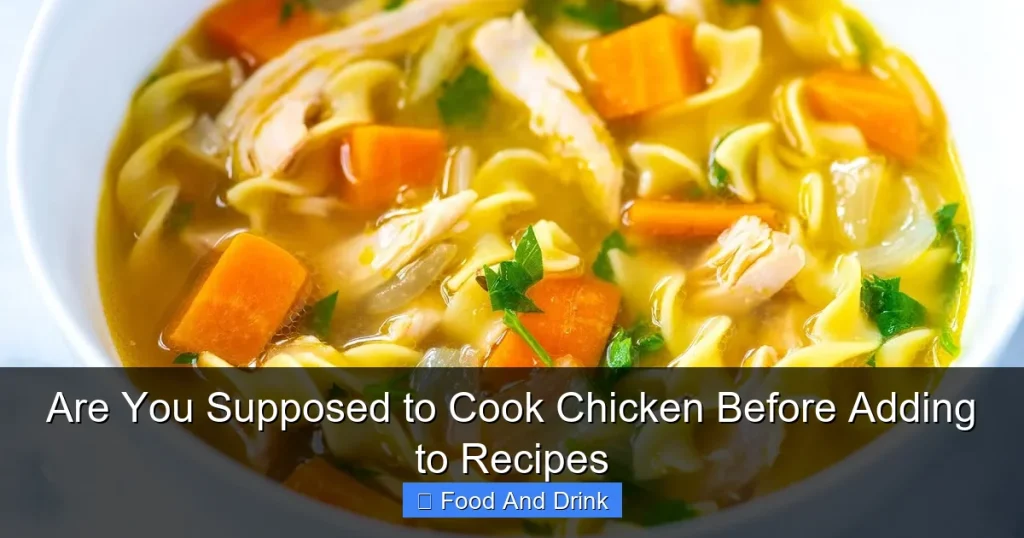

Yes, you’re generally supposed to cook chicken before adding it to most recipes—especially when using raw poultry. Cooking chicken thoroughly ensures food safety by killing harmful bacteria like salmonella and campylobacter. However, some dishes allow for adding raw chicken directly, as long as it reaches a safe internal temperature during the cooking process.
Key Takeaways
- Raw chicken must reach 165°F (74°C) to be safe: This internal temperature kills dangerous pathogens and is the standard set by food safety experts.
- Pre-cooking chicken can improve texture and flavor: Searing or browning chicken before adding it to soups, stews, or casseroles enhances depth and prevents dryness.
- Some recipes safely incorporate raw chicken: Dishes like stir-fries, curries, or slow-cooked meals can start with raw chicken if cooked long enough to reach safe temps.
- Marinating doesn’t replace cooking: While marinades add flavor and tenderness, they don’t kill bacteria—chicken still needs proper cooking.
- Cross-contamination is a real risk: Always use separate cutting boards and utensils for raw chicken to avoid spreading bacteria to other foods.
- Frozen chicken should be thawed safely: Thaw in the fridge, cold water, or microwave—never at room temperature—to prevent bacterial growth.
- Use a meat thermometer for accuracy: Visual cues like color aren’t reliable; a thermometer ensures chicken is fully cooked without overcooking.
Quick Answers to Common Questions
Should I cook chicken before adding it to soup?
It’s not required, but pre-cooking chicken before adding it to soup can improve flavor and texture. You can also add raw chicken directly if the soup simmers long enough to reach 165°F (74°C).
Can I add raw chicken to a slow cooker?
Yes, but only if the chicken is fully thawed and the slow cooker is preheated. Cook on low for 6–8 hours or high for 3–4 hours, and check the internal temperature before serving.
Is it safe to eat chicken that’s still a little pink?
Not necessarily. Chicken can remain pink due to smoking or marinades even when fully cooked. Always use a thermometer to confirm it’s reached 165°F (74°C).
Does marinating chicken kill bacteria?
No, marinating only adds flavor and tenderness. It does not cook the chicken or eliminate harmful bacteria. Proper cooking is still required.
Can I use leftover cooked chicken in recipes?
Absolutely! Leftover cooked chicken is great for salads, sandwiches, casseroles, and soups. Just reheat it to 165°F (74°C) if adding to a hot dish.
📑 Table of Contents
Are You Supposed to Cook Chicken Before Adding to Recipes?
When it comes to cooking chicken, one of the most common questions home cooks ask is: *Should I cook the chicken first before adding it to my recipe?* The short answer is: it depends. But the long answer involves food safety, cooking methods, and the type of dish you’re preparing.
Chicken is a staple in kitchens around the world—versatile, affordable, and packed with protein. Whether you’re making a creamy chicken Alfredo, a spicy Thai curry, or a hearty chicken soup, how you handle the chicken can make or break your meal. Some recipes call for pre-cooked chicken, while others start with raw pieces that cook alongside other ingredients. Understanding when and why to pre-cook chicken is essential for both safety and flavor.
In this guide, we’ll explore the ins and outs of cooking chicken before adding it to recipes. We’ll cover food safety guidelines, the benefits of pre-cooking, when it’s safe to skip that step, and practical tips to ensure your chicken turns out juicy, flavorful, and safe to eat every time.
Why Cooking Chicken Properly Matters
Visual guide about Are You Supposed to Cook Chicken Before Adding to Recipes
Image source: recipes.net
Before diving into whether you should pre-cook chicken, it’s important to understand why proper cooking is non-negotiable. Raw chicken can harbor harmful bacteria such as *Salmonella*, *Campylobacter*, and *E. coli*. These pathogens can cause foodborne illness, leading to symptoms like nausea, vomiting, diarrhea, and fever. In severe cases, especially for young children, older adults, or those with weakened immune systems, these infections can be life-threatening.
The U.S. Department of Agriculture (USDA) and other global food safety organizations recommend cooking all poultry to an internal temperature of **165°F (74°C)**. This temperature is scientifically proven to destroy harmful bacteria quickly and effectively. Simply relying on color—such as waiting for chicken to turn from pink to white—is not a reliable indicator of doneness. Chicken can appear cooked before it’s safe, or remain slightly pink even when fully cooked due to factors like smoking or marinades.
Using a food thermometer is the only way to guarantee your chicken has reached the safe temperature. Insert the thermometer into the thickest part of the meat, avoiding bones, to get an accurate reading. This simple tool can prevent foodborne illness and give you confidence in your cooking.
The Risks of Undercooked Chicken
Undercooked chicken isn’t just a matter of taste—it’s a serious health risk. Even small amounts of bacteria can multiply rapidly if chicken is left at room temperature or undercooked. Symptoms of food poisoning can appear within hours or take days to develop, making it hard to trace back to the meal.
Cross-contamination is another major concern. When raw chicken juices come into contact with other foods, utensils, or surfaces, bacteria can spread. For example, using the same cutting board for raw chicken and then chopping vegetables without washing it can lead to contamination. Always use separate tools and wash your hands, countertops, and equipment thoroughly after handling raw poultry.
How to Handle Raw Chicken Safely
Safe handling starts the moment you bring chicken home. Store raw chicken in the refrigerator at 40°F (4°C) or below and use it within 1–2 days, or freeze it for longer storage. When thawing frozen chicken, never leave it on the counter. Instead, use one of these safe methods:
– **Refrigerator thawing:** Place the chicken in a container on the bottom shelf and allow 24 hours for every 5 pounds.
– **Cold water thawing:** Submerge the chicken in its packaging in cold water, changing the water every 30 minutes.
– **Microwave thawing:** Use the defrost setting, but cook the chicken immediately after, as some areas may begin to cook during the process.
Once thawed, cook the chicken promptly. Don’t rinse raw chicken under running water—this can splash bacteria around your sink and kitchen. Instead, pat it dry with paper towels and discard them immediately.
When Should You Pre-Cook Chicken?
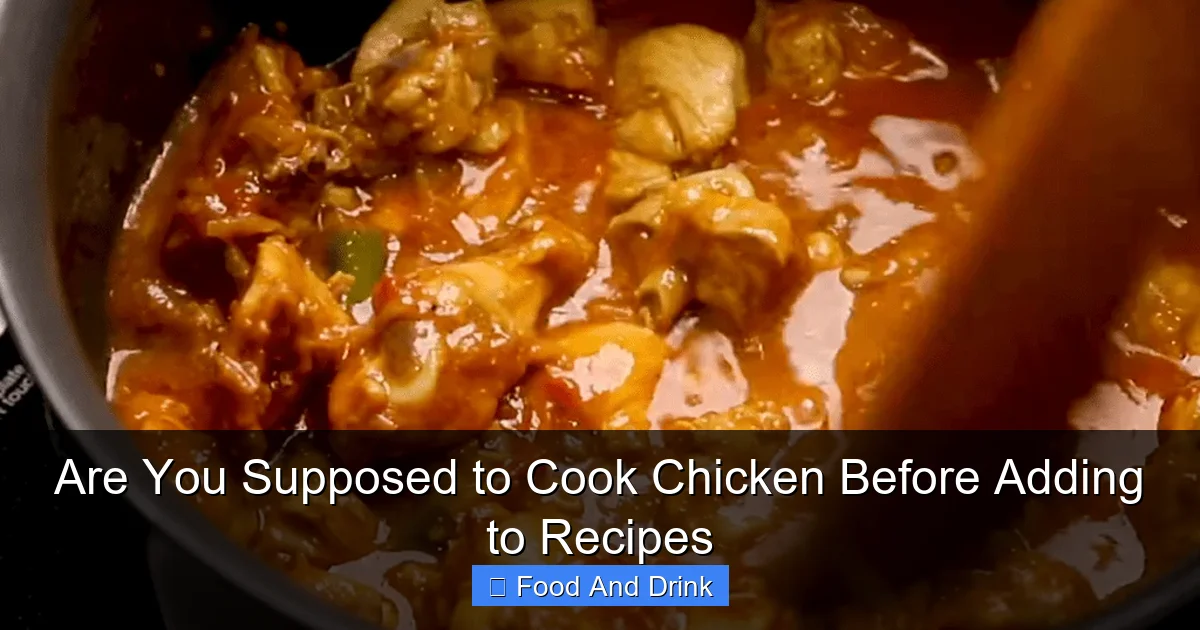
Visual guide about Are You Supposed to Cook Chicken Before Adding to Recipes
Image source: recipesmoms.com
Now that we’ve covered the basics of safety, let’s talk about when pre-cooking chicken is beneficial—or even necessary.
Pre-cooking, also known as browning or searing, means cooking the chicken partially or fully before adding it to a dish. This step is common in recipes like casseroles, soups, stews, and stir-fries. But why do it?
Enhanced Flavor and Texture
One of the biggest advantages of pre-cooking chicken is the development of flavor through the Maillard reaction. This chemical process occurs when proteins and sugars in the meat react under high heat, creating a rich, browned crust and deep, savory notes. Think of the difference between a plain boiled chicken breast and one that’s been seared before simmering in sauce—the seared version is far more delicious.
Pre-cooking also helps control texture. Chicken added raw to a slow-cooked dish like a stew can become dry and stringy if overcooked. By browning it first, you lock in moisture and create a firmer texture that holds up better during long cooking times.
Reduced Cooking Time and Even Heat Distribution
When you add raw chicken to a recipe, it can lower the overall temperature of the dish, especially in soups or sauces. This means the entire meal takes longer to cook and may not heat evenly. Pre-cooking chicken ensures it’s already hot when added, helping the dish come together faster and more uniformly.
For example, in a chicken and rice casserole, adding raw chicken can result in undercooked rice or overcooked chicken. But if you sauté the chicken first, both components cook at the right pace.
Better Integration with Other Ingredients
Pre-cooking allows you to build layers of flavor. You can season the chicken with salt, pepper, garlic, or herbs before browning, infusing it with taste from the start. You can also deglaze the pan with wine or broth after searing, capturing all those delicious browned bits (fond) to add to your sauce or soup.
This technique is especially useful in dishes like chicken curry, where you want the chicken to absorb spices and aromatics. Searing the chicken first ensures it soaks up the flavors rather than just floating in the sauce.
When Can You Add Raw Chicken Directly?
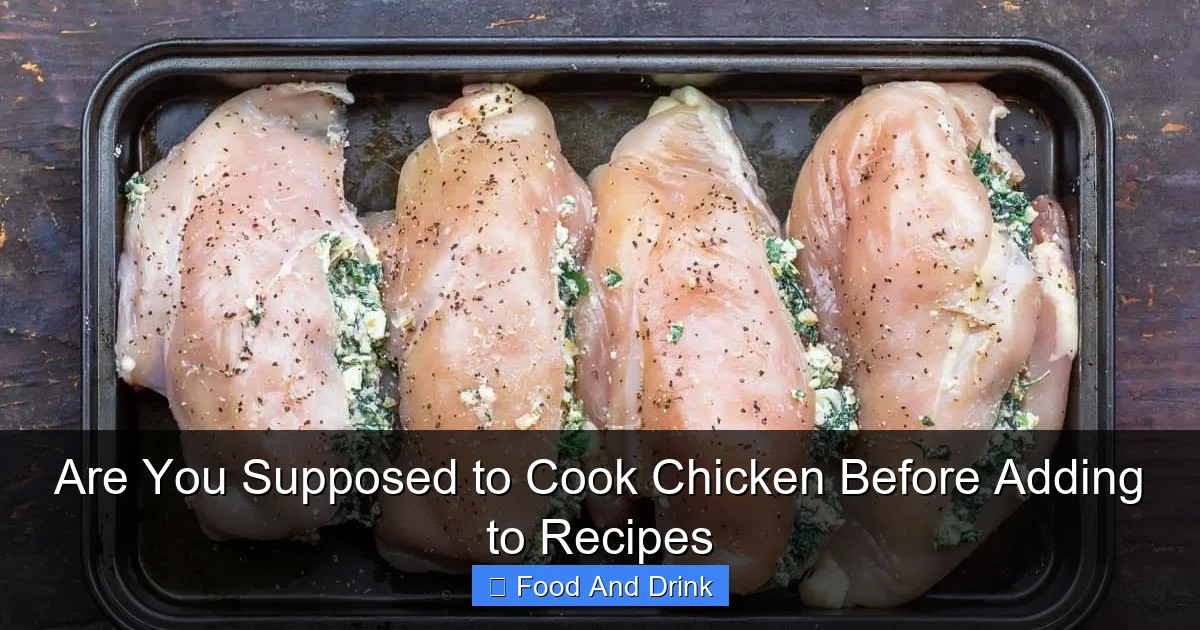
Visual guide about Are You Supposed to Cook Chicken Before Adding to Recipes
Image source: recipes.net
Not every recipe requires pre-cooked chicken. In fact, many traditional dishes start with raw poultry and are perfectly safe—if done correctly.
Stir-Fries and Quick-Cooking Dishes
Stir-fries are a great example of recipes where raw chicken is added directly. Because the cooking time is short and the heat is high, the chicken cooks quickly and evenly. As long as you cut the chicken into small, uniform pieces and cook it thoroughly, it will reach 165°F (74°C) by the end.
The key is to avoid overcrowding the pan. If you add too much chicken at once, the temperature drops, and the meat steams instead of sears. Cook in batches if needed, and stir frequently to ensure even cooking.
Slow Cookers and Long-Simmered Meals
Dishes like chicken chili, curry, or stew can safely start with raw chicken. The long, slow cooking process ensures the meat reaches a safe temperature. However, it’s important to follow recipe instructions carefully. Don’t add cold or frozen chicken directly to a slow cooker, as this can keep the food in the “danger zone” (40°F to 140°F) for too long, allowing bacteria to grow.
Instead, thaw the chicken first and add it to a preheated slow cooker. Most recipes recommend cooking on low for 6–8 hours or high for 3–4 hours. Always check the internal temperature before serving.
Marinated or Brined Chicken
Some recipes call for marinating raw chicken before cooking. While marinades add flavor and tenderness, they don’t cook the meat. You still need to ensure the chicken reaches 165°F (74°C) during the cooking process.
For example, if you’re making grilled chicken skewers, you can marinate the raw chicken for several hours, then cook it directly on the grill. The high heat will sear the outside and cook the inside thoroughly.
How to Pre-Cook Chicken Properly
If your recipe calls for pre-cooked chicken, or you choose to do it for better results, here’s how to do it right.
Methods for Pre-Cooking
There are several ways to pre-cook chicken, depending on the recipe and your preference:
– **Pan-searing:** Heat oil in a skillet over medium-high heat. Pat the chicken dry, season, and cook for 3–5 minutes per side until golden brown. It doesn’t need to be fully cooked—just browned.
– **Baking:** Place chicken on a baking sheet and bake at 375°F (190°C) for 20–25 minutes, flipping halfway. This method is great for larger pieces like breasts or thighs.
– **Grilling:** Pre-cook chicken on the grill for a smoky flavor. Use medium heat and cook until lightly charred.
– **Boiling or poaching:** Simmer chicken in broth or water for 10–15 minutes until cooked through. This is ideal for shredding or adding to soups.
Tips for Juicy, Tender Results
Pre-cooking can sometimes lead to dry chicken if not done carefully. Here are some tips to keep it moist:
– Don’t overcook during the pre-cooking stage. Aim for 70–80% done, as it will continue cooking in the recipe.
– Use a meat thermometer to check doneness. Remove chicken when it reaches 160°F (71°C)—it will rise to 165°F (74°C) during resting or further cooking.
– Let the chicken rest for 5 minutes after pre-cooking. This allows juices to redistribute.
– If the recipe involves a sauce or liquid, add the pre-cooked chicken back in early so it can reabsorb moisture.
Common Mistakes to Avoid
Even experienced cooks can make errors when handling chicken. Here are some common pitfalls and how to avoid them.
Using the Wrong Cut for the Recipe
Not all chicken cuts are created equal. Boneless, skinless breasts cook quickly but can dry out. Thighs and drumsticks are more forgiving and stay juicy longer. Choose the right cut based on cooking time and method.
For example, use thighs in slow-cooked dishes and breasts in quick stir-fries. If a recipe calls for one and you substitute the other, adjust cooking times accordingly.
Skipping the Thermometer
Relying on time or appearance is risky. Chicken breasts can look done at 150°F (66°C) but still be unsafe. Always use a thermometer to confirm the internal temperature.
Not Adjusting for Frozen Chicken
If you’re using frozen chicken, increase cooking time by about 50%. Never cook frozen chicken directly in a slow cooker or at low heat, as it won’t reach a safe temperature quickly enough.
Overcrowding the Pan
When pre-cooking, give each piece of chicken space. Overcrowding lowers the pan’s temperature and causes steaming instead of browning. Cook in batches if needed.
Recipe Examples: Pre-Cooked vs. Raw Chicken
Let’s look at two popular dishes to see how pre-cooking affects the outcome.
Chicken Alfredo
– **With pre-cooked chicken:** Sauté chicken breasts in butter and garlic until golden. Remove and set aside. Make the Alfredo sauce, then return the chicken to heat through. Result: flavorful, juicy chicken with a rich sauce.
– **With raw chicken:** Add raw chicken to the sauce and simmer until cooked. Result: chicken may be dry or under-seasoned, and the sauce could become greasy.
Chicken Tikka Masala
– **With pre-cooked chicken:** Marinate chicken, grill or bake until charred, then add to the sauce. Result: smoky, tender pieces with deep flavor.
– **With raw chicken:** Simmer raw chicken in the sauce. Result: chicken can become tough, and the sauce may not absorb as well.
In both cases, pre-cooking enhances the final dish.
Conclusion
So, are you supposed to cook chicken before adding it to recipes? The answer is: **it depends on the recipe, but when in doubt, pre-cooking is safer and often tastier.** Cooking chicken to 165°F (74°C) is non-negotiable for food safety, whether you do it before or during the recipe. Pre-cooking adds flavor, improves texture, and ensures even cooking, especially in complex dishes. However, many recipes—like stir-fries and slow-cooked meals—can safely start with raw chicken if cooked thoroughly.
The key is understanding your recipe, using proper techniques, and always prioritizing safety. With a little practice and the right tools, you’ll master the art of cooking chicken every time.
Frequently Asked Questions
What temperature should chicken be cooked to?
Chicken should be cooked to an internal temperature of 165°F (74°C) to ensure it’s safe to eat. This temperature kills harmful bacteria like salmonella and campylobacter.
Can I cook chicken from frozen?
Yes, but it takes longer and requires careful monitoring. Increase cooking time by about 50% and use a thermometer to check doneness. Avoid cooking frozen chicken in a slow cooker on low heat.
Is it safe to pre-cook chicken and freeze it?
Yes, pre-cooked chicken can be frozen for up to 4 months. Cool it completely, store in airtight containers or freezer bags, and reheat to 165°F (74°C) before eating.
Why does my chicken dry out when I pre-cook it?
Overcooking is the most common cause. Pre-cook chicken to 160°F (71°C)—it will continue cooking when added back to the recipe. Also, avoid high heat for too long.
Can I use the same pan for raw chicken and other ingredients?
No, this can cause cross-contamination. Use separate pans or wash the pan thoroughly with hot, soapy water after cooking raw chicken.
How long does it take to cook chicken in a recipe?
Cooking time varies by method and cut. Boneless breasts take 6–8 minutes per side when pan-seared, while thighs may take 10–12 minutes. Always check the internal temperature.


