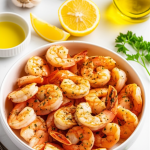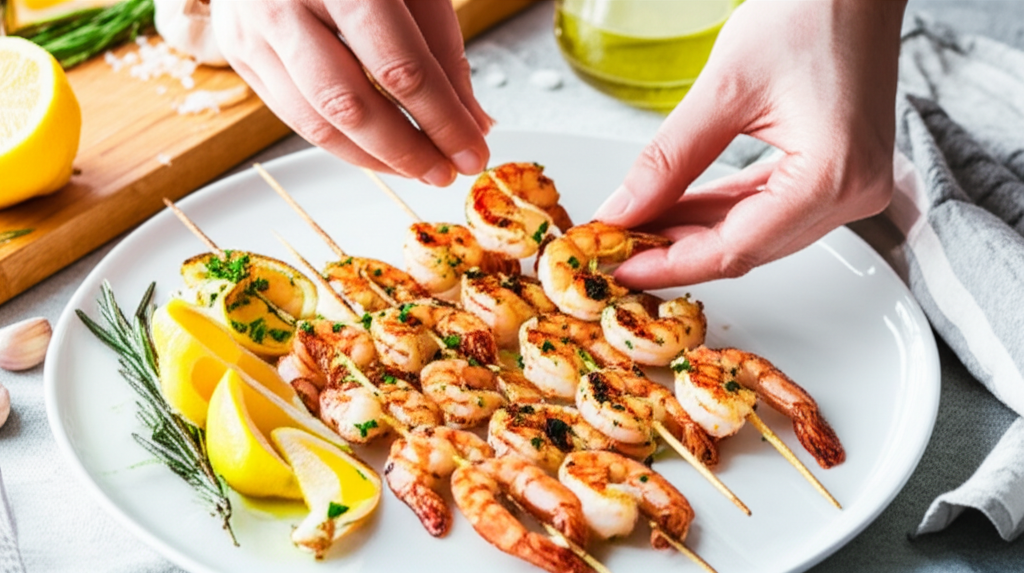

Are shrimp good for pregnancy? Yes, shrimp can be a healthy and beneficial food choice during pregnancy, offering vital nutrients like protein, omega-3 fatty acids, and essential vitamins and minerals. However, proper preparation and sourcing are crucial to ensure safety.
Navigating what to eat during pregnancy can feel overwhelming, with so many differing opinions and advice. You might be wondering about specific seafood, like shrimp. It’s a delicious and popular option, but is it safe and beneficial for you and your growing baby? Many expectant parents worry about mercury levels and proper cooking. This guide will break down everything you need to know about enjoying shrimp safely and healthily throughout your pregnancy. We’ll cover the amazing benefits, potential concerns, and how to choose and prepare shrimp so you can feel confident.
The Nutritional Powerhouse: Why Shrimp is Great for Pregnancy
Shrimp is packed with nutrients that are incredibly important for both mom and baby. Think of it as a tiny, tasty package of goodness!
Rich in Protein
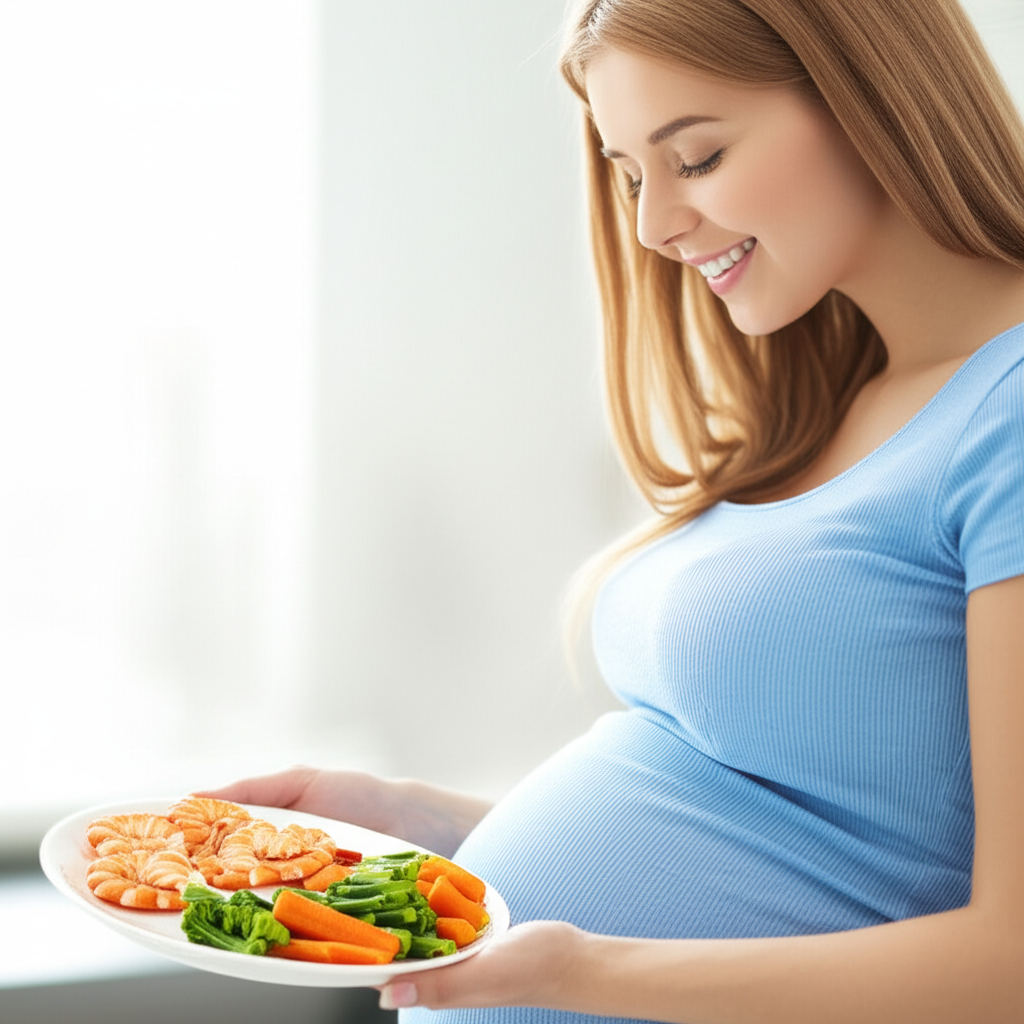
Protein is the building block for your baby’s development. It helps form their organs, muscles, and tissues. Shrimp provides a high-quality source of protein, making it an excellent choice to support healthy growth.
Omega-3 Fatty Acids: Brain Food for Baby
Shrimp contains omega-3 fatty acids, particularly DHA and EPA. These are crucial for your baby’s brain and eye development. They can also help reduce the risk of preterm birth and improve birth weight.
Vitamins and Minerals Galore
Shrimp is a good source of several essential vitamins and minerals, including:
Vitamin B12: Important for nerve function and the formation of red blood cells.
Selenium: An antioxidant that helps protect cells from damage and supports immune function.
Choline: Essential for brain development and function.
Iodine: Crucial for thyroid function and brain development.
Iron: Helps prevent anemia, which is common during pregnancy, and supports oxygen transport.
Low in Calories and Fat
Compared to many other protein sources, shrimp is relatively low in calories and fat, making it a lighter yet satisfying option.
Understanding the Concerns: What to Watch Out For
While shrimp offers many benefits, there are a couple of important considerations to keep in mind during pregnancy.
Mercury Levels
One of the biggest concerns with seafood during pregnancy is mercury content. Mercury is a metal that can be harmful to a developing baby’s nervous system. However, shrimp is classified as a “best choice” by the U.S. Food and Drug Administration (FDA) and the U.S. Environmental Protection Agency (EPA) for pregnant women. This means it has low mercury levels.
According to the FDA, shrimp is one of the seafood options with the lowest mercury content, making it a safe choice when consumed in moderation. They recommend eating 2-3 servings (8-12 ounces) of low-mercury seafood per week.
Foodborne Illnesses
Like any seafood, improperly cooked shrimp can carry bacteria or viruses that can cause foodborne illnesses. These illnesses can be more severe during pregnancy and can potentially harm the baby. This is why proper cooking and handling are absolutely essential.
The Golden Rule: Cook Shrimp Thoroughly!
This is the most critical step to ensure your shrimp is safe to eat. Undercooked shrimp can harbor harmful bacteria.
How to Tell When Shrimp is Cooked
Shrimp cooks very quickly! Here’s how to tell it’s ready:
Color Change: Raw shrimp are typically grey or translucent. Cooked shrimp turn opaque and pinkish-white.
Texture: They should be firm to the touch, not mushy or rubbery.
Shape: Cooked shrimp will curl into a “C” shape. If they form a tight “O” shape, they may be overcooked.
Here’s a quick guide to cooking times:
| Cooking Method | Approximate Time | Signs of Doneness |
| :—————— | :————— | :——————————————————- |
| Boiling/Steaming | 1-3 minutes | Pink, opaque, curled into a “C” shape. |
| Sautéing/Stir-frying | 2-4 minutes | Pink, opaque, firm, curled into a “C” shape. |
| Grilling | 2-3 minutes per side | Pink, opaque, firm, curled into a “C” shape, slight char marks. |
| Baking | 8-10 minutes | Pink, opaque, firm, curled into a “C” shape. |
Always ensure the internal temperature reaches 145°F (63°C).
Choosing the Best Shrimp: What to Look For
Where you buy your shrimp and what type you choose can also make a difference.
Fresh vs. Frozen
Both fresh and frozen shrimp can be excellent choices.
Fresh Shrimp: Look for shrimp that are firm, have a mild, slightly sweet odor (not fishy or ammonia-like), and are free from dark spots or slime. If buying from a fish counter, ensure they are properly chilled.
Frozen Shrimp: Frozen shrimp is often flash-frozen at sea, which can lock in freshness and nutrients. Look for packages that are free from ice crystals or signs of thawing and refreezing. Check the packaging for a reputable brand and origin.
Wild-Caught vs. Farmed
Both wild-caught and farmed shrimp can be good options, but there are factors to consider:
Wild-Caught: Often preferred for flavor and can be a good choice if sourced sustainably. Look for certifications like the Marine Stewardship Council (MSC) for sustainability.
Farmed: Can be a more consistent and affordable option. However, some aquaculture practices may involve antibiotics or environmental concerns. Look for farmed shrimp that are certified by organizations like the Aquaculture Stewardship Council (ASC) or the Best Aquaculture Practices (BAP).
Tip: When buying pre-cooked shrimp, ensure they are refrigerated and have been handled properly.
Safe Shrimp Preparation at Home
Once you’ve bought your shrimp, safe handling in the kitchen is key.
Washing and Thawing
Thawing: The safest way to thaw shrimp is in the refrigerator overnight. You can also place the sealed package in a bowl of cold water and change the water every 30 minutes until thawed. Never thaw shrimp at room temperature, as this can encourage bacterial growth.
Washing: It’s generally not recommended to wash raw shrimp before cooking, as this can spread bacteria. However, if you choose to rinse them, do so quickly under cold running water and immediately proceed to cooking. Ensure your cutting board and utensils are thoroughly cleaned afterward.
Preventing Cross-Contamination
This is a vital step to prevent foodborne illness.
1. Wash Hands: Wash your hands thoroughly with soap and warm water before and after handling raw shrimp.
2. Separate: Keep raw shrimp separate from other foods, especially ready-to-eat items. Use separate cutting boards and utensils for raw shrimp and other ingredients.
3. Clean Surfaces: Clean and sanitize all surfaces, cutting boards, and utensils that came into contact with raw shrimp.
Delicious and Safe Shrimp Recipes for Pregnancy
Here are a few ideas to get you started, focusing on simple preparation and healthy ingredients.
1. Simple Garlic Butter Shrimp
Ingredients: 1 lb shrimp (peeled and deveined), 2 tbsp butter, 2 cloves garlic (minced), salt, pepper, lemon wedges.
Instructions:
1. Pat shrimp dry.
2. Melt butter in a skillet over medium heat.
3. Add minced garlic and cook for about 30 seconds until fragrant.
4. Add shrimp, season with salt and pepper.
5. Cook for 2-3 minutes per side, until pink and opaque.
6. Serve immediately with lemon wedges.
2. Shrimp and Veggie Stir-fry
Ingredients: 1 lb shrimp (peeled and deveined), 1 tbsp olive oil, 2 cups mixed vegetables (broccoli, bell peppers, snap peas), 1/4 cup low-sodium soy sauce, 1 tsp grated ginger, cooked brown rice.
Instructions:
1. Heat olive oil in a large skillet or wok over medium-high heat.
2. Add vegetables and stir-fry for 3-5 minutes until tender-crisp.
3. Add shrimp and cook for 2-3 minutes until pink and opaque.
4. Pour in soy sauce and add ginger. Stir to combine and heat through.
5. Serve over cooked brown rice.
3. Shrimp Salad Sandwich Filling
Ingredients: 1 lb cooked shrimp (chopped), 1/4 cup Greek yogurt or mayonnaise, 1 tbsp chopped celery, 1 tsp Dijon mustard, salt, pepper, whole-wheat bread or lettuce wraps.
Instructions:
1. In a bowl, combine chopped cooked shrimp, Greek yogurt/mayonnaise, celery, Dijon mustard, salt, and pepper.
2. Mix well.
3. Serve on whole-wheat bread or in lettuce wraps.
Important Note: Always use fully cooked shrimp for these recipes. If you buy pre-cooked shrimp, ensure they were handled and stored safely.
Shrimp vs. Other Seafood: A Quick Comparison
When thinking about seafood during pregnancy, it’s helpful to see how shrimp stacks up against other popular choices.
| Seafood Type | Mercury Level | Key Nutrients | Recommendations for Pregnancy |
| :—————- | :———— | :——————————————— | :———————————————————————————————————————— |
| Shrimp | Low | Protein, Omega-3s (DHA/EPA), B12, Selenium | Best choice; 2-3 servings (8-12 oz) per week. |
| Salmon | Low | Protein, Omega-3s (DHA/EPA), Vitamin D, B12 | Best choice; 2-3 servings (8-12 oz) per week. |
| Tuna (Canned Light) | Low-Moderate | Protein, B12, Omega-3s (less than fatty fish) | Good choice; limit to 1 serving (6 oz) per week. |
| Tuna (Albacore) | Moderate | Protein, B12, Omega-3s | Limit to 1 serving (6 oz) per week. |
| Swordfish | High | Protein, B12 | Avoid. |
| Shark | High | Protein, B12 | Avoid. |
| King Mackerel | High | Protein, B12 | Avoid. |
Information based on FDA guidelines. Always consult with your healthcare provider for personalized dietary advice.
When to Talk to Your Doctor
While shrimp is generally safe and beneficial, it’s always a good idea to discuss your diet with your healthcare provider. They can offer personalized advice based on your health history and pregnancy.
If you have any allergies or specific dietary concerns, be sure to bring them up. Your doctor or a registered dietitian can help you create a balanced and safe meal plan.
Frequently Asked Questions (FAQs)
- Can I eat shrimp if I have morning sickness?
- Yes, shrimp can be a good option during morning sickness because it’s easily digestible and provides essential nutrients. Its mild flavor may also be more appealing than stronger-smelling foods. Ensure it’s thoroughly cooked.
- What if I accidentally ate undercooked shrimp?
- If you’re concerned about eating undercooked shrimp, monitor yourself for any symptoms of foodborne illness like nausea, vomiting, diarrhea, or fever. Contact your healthcare provider if you experience any of these symptoms or have significant concerns.
- Is it safe to eat shrimp cocktail during pregnancy?
- Shrimp cocktail is safe as long as the shrimp is fully cooked. The main concern is ensuring the shrimp itself was cooked to a safe internal temperature (145°F or 63°C) and handled properly before being served chilled. Avoid any pre-prepared shrimp salads or dishes from unreliable sources.
- Can I eat shrimp raw or lightly cooked?
- No, it is not recommended to eat shrimp raw or lightly cooked during pregnancy. Raw or undercooked seafood can contain bacteria and parasites that can cause serious illness, which is riskier during pregnancy.
- How much shrimp can I eat per week?
- The FDA recommends that pregnant women eat 2-3 servings (8-12 ounces) of low-mercury seafood per week. Shrimp falls into the “best choice” category for low mercury, so this amount is generally considered safe and beneficial.
- Are there any specific shrimp types to avoid?
- Shrimp generally has low mercury levels, so there aren’t specific types of shrimp to strictly avoid due to mercury. Focus on ensuring all shrimp, regardless of type or origin, is fully cooked and sourced from reputable suppliers.
- What about shrimp allergy during pregnancy?
- If you have a known shellfish allergy, you must avoid shrimp and all other shellfish. If you are unsure about a potential allergy, it’s best to err on the side of caution and consult with your doctor before consuming shrimp.
Conclusion
Shrimp can absolutely be a healthy and delicious part of your pregnancy diet. By focusing on thorough cooking, safe handling, and choosing reputable sources, you can enjoy the fantastic nutritional benefits shrimp has to offer. Remember, it’s a great source of protein for your baby’s growth and omega-3 fatty acids for their brain development.
Always listen to your body and consult with your healthcare provider if you have any questions or concerns about your diet during pregnancy. Enjoy your healthy and tasty shrimp meals!