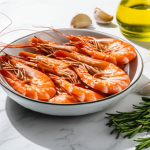

Yes, cooked shrimp can be a safe and healthy occasional treat for cats in moderation. However, raw shrimp poses risks, and it’s crucial to prepare it properly and monitor your cat for any adverse reactions.
Are Shrimp Good For Cats: Essential Guide
Many cat parents wonder if they can share their seafood snacks with their feline friends. Shrimp, with its appealing taste and texture, often becomes a topic of discussion. It’s completely natural to want to offer your kitty a tasty tidbit, but knowing what’s safe and healthy is key. Sometimes, the internet can be a confusing place with conflicting advice, leaving you feeling unsure about feeding your cat new foods. We’ve all been there, scrolling through forums and articles, trying to find clear, trustworthy answers.
This guide is here to help! We’ll break down everything you need to know about feeding shrimp to your cat, from the benefits to the potential risks. You’ll learn how to prepare it safely, what to watch out for, and how to incorporate it as a special treat. Let’s dive in and make sure your feline companion can enjoy a shrimp snack without any worries!
The Nutritional Scoop on Shrimp for Cats
Shrimp is a popular seafood choice for humans, and it turns out it has some nutritional elements that can be beneficial for cats too. Cats are obligate carnivores, meaning their diet primarily consists of meat. Shrimp fits into this category, offering a good source of protein, which is vital for muscle development, energy, and overall bodily functions in cats.
Here’s a closer look at what shrimp brings to the table:
- Protein Powerhouse: Shrimp is packed with lean protein. This helps build and repair tissues, supports a healthy immune system, and keeps your cat feeling full and satisfied.
- Low in Fat: Compared to many other protein sources, shrimp is relatively low in fat. This can be a good thing for cats who need to manage their weight.
- Vitamins and Minerals: Shrimp contains essential nutrients like Vitamin B12, which is important for nerve function and the formation of red blood cells. It also provides minerals such as phosphorus, selenium, and iodine, which play roles in bone health, metabolism, and thyroid function.
- Astaxanthin: This is a powerful antioxidant found in shrimp that gives them their pink color. Antioxidants help protect cells from damage caused by free radicals, potentially supporting overall health and well-being.
However, it’s important to remember that while shrimp offers these benefits, it shouldn’t be the main component of your cat’s diet. A balanced commercial cat food is formulated to meet all of your cat’s nutritional needs. Shrimp should be viewed as a supplementary treat.
The Risks and Precautions: What to Watch Out For
While shrimp can be a good treat, there are definitely some risks involved that every cat owner needs to be aware of. Safety first is our motto when it comes to our furry friends!
1. Raw Shrimp Dangers
Feeding raw shrimp to your cat is generally not recommended. Raw seafood, including shrimp, can harbor bacteria like Salmonella and E. coli. These bacteria can cause serious gastrointestinal upset in cats, leading to symptoms such as:
- Vomiting
- Diarrhea
- Lethargy
- Abdominal pain
In some cases, these infections can be severe and require veterinary attention. Additionally, raw shrimp contains an enzyme called thiaminase. Thiaminase breaks down thiamine (Vitamin B1), which is crucial for a cat’s nervous system. A deficiency in thiamine can lead to serious neurological problems, including:
- Loss of appetite
- Muscle weakness
- Coordination issues
- Seizures
Cooking shrimp effectively destroys thiaminase, making cooked shrimp a much safer option.
2. Shells and Tails: A Choking Hazard and Digestive Blockage Risk
Never feed your cat shrimp with the shells or tails still attached. These parts are hard, sharp, and can be difficult for cats to digest. They pose a significant choking hazard and can also cause internal blockages if ingested, which is a serious medical emergency. Always ensure the shrimp is fully peeled and deveined.
3. Seasonings and Additives: A Big No-No
When preparing shrimp for yourself, you likely use seasonings, oils, butter, garlic, onion, or other flavor enhancers. These are NOT safe for cats. Many common seasonings and ingredients, especially garlic and onion (even in powder form), are toxic to cats and can cause severe health issues, including damage to red blood cells.
Therefore, any shrimp given to your cat must be plain and unseasoned.
4. Allergies and Sensitivities
Like humans, some cats can develop allergies or sensitivities to certain foods, including seafood. If your cat has never eaten shrimp before, it’s essential to introduce it slowly and in very small quantities. Watch closely for any signs of an allergic reaction, such as:
- Itching or hives
- Swelling of the face or paws
- Vomiting or diarrhea
- Respiratory issues
If you notice any of these symptoms, stop feeding shrimp immediately and consult your veterinarian.
5. Sodium Content
Some commercially prepared shrimp (like cocktail shrimp) can be high in sodium, which is not good for cats. Excessive sodium can lead to increased thirst, urination, and in severe cases, sodium ion poisoning. Always opt for plain, cooked shrimp without added salt.
How to Safely Prepare Shrimp for Your Cat
Now that we know the potential pitfalls, let’s get to the good stuff: how to prepare shrimp safely and deliciously for your feline friend. The key is simplicity and proper cooking!
Step-by-Step Guide to Preparing Cat-Friendly Shrimp
- Choose the Right Shrimp: Opt for raw, wild-caught shrimp if possible. Avoid pre-cooked, frozen, or canned shrimp that may contain added preservatives, salt, or seasonings.
- Thaw if Frozen: If you bought frozen shrimp, thaw them safely. The best way is to place them in a sealed bag or container in the refrigerator overnight. You can also speed this up by placing the sealed bag in a bowl of cool water. Never thaw at room temperature, as this can encourage bacterial growth.
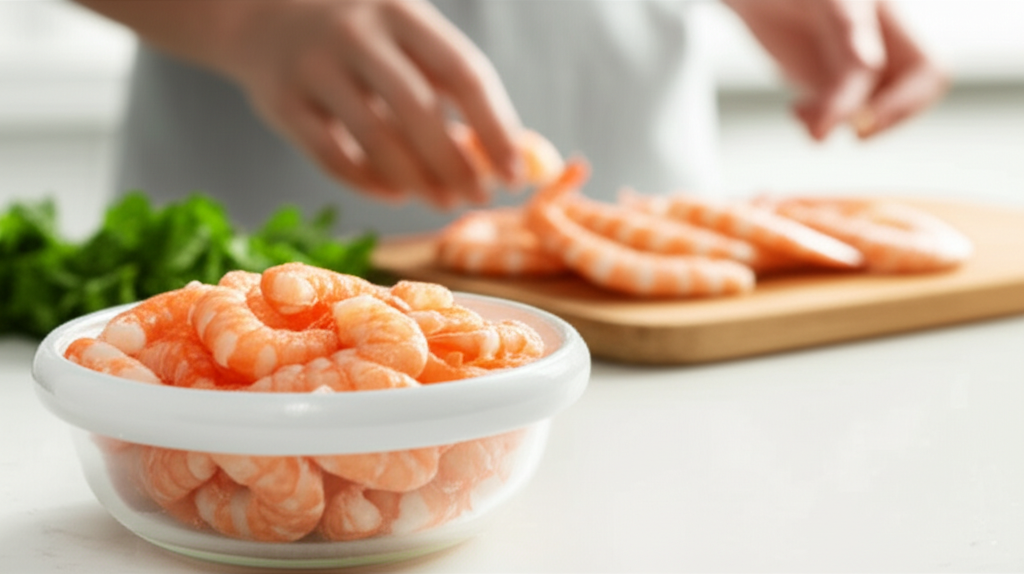
- Peel and Devein: This is a crucial step. Carefully peel off the entire shell, including the tail and legs. Then, make a shallow cut along the back of the shrimp to remove the dark vein (digestive tract). This vein can sometimes be bitter and is unnecessary for your cat.
- Cook Plain: The only safe way to cook shrimp for your cat is to boil or steam it.
- Boiling: Place the peeled and deveined shrimp in a pot of plain water (no salt, oil, or seasonings). Bring to a boil and cook until the shrimp turn pink and opaque, usually 2-3 minutes.
- Steaming: Place the shrimp in a steamer basket over boiling water. Cover and steam until they turn pink and opaque.
- Cool Down: Once cooked, remove the shrimp from the water and let them cool completely to room temperature. Never feed hot food to your cat, as it can burn their mouth.
- Chop into Small Pieces: For most cats, it’s best to chop the cooled shrimp into small, bite-sized pieces. This makes it easier for them to eat and reduces the risk of choking. For kittens or older cats with dental issues, you might even consider mashing it slightly.
What to Avoid During Preparation:
- Boiling or frying shrimp in oil or butter.
- Adding any salt, pepper, garlic powder, onion powder, or other spices.
- Using marinades or sauces.
By following these simple steps, you can ensure that the shrimp you prepare is a safe and enjoyable treat for your feline companion.
How Much Shrimp Can Cats Eat? Understanding Portions
Moderation is key when it comes to any treat, and shrimp is no exception. Even though shrimp is healthy in some ways, overfeeding it can lead to an unbalanced diet and potential digestive issues.
Recommended Serving Sizes
A good rule of thumb is to treat shrimp as just that – a treat. This means it should make up no more than 10% of your cat’s daily calorie intake. For an average adult cat, this translates to a very small amount:
- Small Cats (around 5-8 lbs): 1-2 small, cooked shrimp pieces per day, a few times a week.
- Medium to Large Cats (around 9-15 lbs): 2-3 small, cooked shrimp pieces per day, a few times a week.
It’s always best to consult your veterinarian for specific portion recommendations based on your cat’s individual needs, age, weight, and activity level.
When to Feed Shrimp
Shrimp is best offered as an occasional supplement to your cat’s regular, balanced cat food. You can use it:
- As a special reward for good behavior.
- To entice a picky eater to eat their regular food (mix a tiny bit in).
- As a small, healthy snack between meals.
Avoid feeding shrimp if your cat has any known digestive sensitivities or allergies. If your cat is on a prescription diet or has specific health concerns, always check with your vet before introducing new foods.
Alternatives to Shrimp: Other Seafood Treats
If your cat enjoys seafood, or if you’re looking for variety in their treat rotation, there are other types of fish and seafood that can be offered, following the same safety guidelines as shrimp.
Safe Seafood Options for Cats
When choosing other seafood, always remember to:
- Cook it thoroughly.
- Serve it plain, with no seasonings, oils, or butter.
- Remove all bones, skin, and scales.
- Serve in small, manageable portions.
Here are a few examples:
- Cooked Salmon: A good source of omega-3 fatty acids, which are beneficial for skin and coat health.
- Cooked Tuna: While popular, tuna should be fed very sparingly. It can be low in certain vitamins and minerals essential for cats, and some canned tuna (especially in oil or brine) can be high in sodium or mercury. Opt for tuna packed in water, and only as an occasional, very small treat.
- Cooked Sardines (in water, no salt): Another source of omega-3s and calcium (if bones are included and soft enough to eat, which they are in canned sardines).
- Cooked Cod or Haddock: These are lean, white fish that are good sources of protein.
Seafood to Avoid
Some seafood is best avoided for cats due to specific risks:
- Raw Fish: Similar to raw shrimp, raw fish can contain thiaminase and harmful bacteria.
- Shellfish with Hard Shells: While cooked shrimp is okay, other shellfish like mussels or clams might pose choking or digestive obstruction risks if not prepared meticulously. Stick to simpler, boneless fish or shrimp.
- Smoked Fish: Smoking processes often involve salt and other additives that are not suitable for cats.
- Fish in Oil or Sauces: Always opt for fish packed in water with no added salt or seasonings.
It’s always a good idea to introduce new foods one at a time and monitor your cat for any adverse reactions. A balanced diet of high-quality commercial cat food should always be the foundation of your cat’s nutrition.
Can Kittens Eat Shrimp?
While adult cats can enjoy small amounts of cooked shrimp as a treat, it’s generally best to hold off on giving shrimp to kittens. Kittens have delicate digestive systems and require a diet specifically formulated for their growth and development. Commercial kitten food provides the precise balance of nutrients they need.
Introducing new foods, especially proteins like shrimp, too early can sometimes lead to digestive upset. Once your kitten is fully grown and has transitioned to adult cat food, you can introduce cooked shrimp very gradually and in tiny amounts, just as you would with an adult cat. Always prioritize kitten-specific food to ensure they get the best start.
Can Senior Cats Eat Shrimp?
Senior cats can generally eat cooked shrimp, provided they have no underlying health conditions that would be aggravated by it. As cats age, their nutritional needs can change. Some senior cats may develop kidney issues, sensitivities, or other health concerns that require specific dietary management.
If your senior cat is healthy, small, plain pieces of cooked shrimp can be a nice, protein-rich treat. However, if your senior cat has any health problems, such as kidney disease, heart conditions, or digestive sensitivities, it is absolutely essential to consult with your veterinarian before offering shrimp or any new food. Your vet can advise on whether shrimp is appropriate and in what quantities, ensuring it complements their specific dietary needs.
What if My Cat Doesn’t Like Shrimp?
Not all cats are seafood lovers! If you offer your cat plain, cooked shrimp and they turn their nose up at it, don’t worry. Cats have individual preferences, just like people. There’s no need to force them to eat something they don’t enjoy.
There are many other healthy and tasty treats available for cats. You can try other plain cooked meats like chicken, turkey, or beef. Small pieces of cooked fish (as discussed above) can also be an option. The most important thing is that your cat is eating a balanced, high-quality commercial cat food that meets all their nutritional requirements. Treats are just a small addition to their diet.
FAQs About Feeding Shrimp to Cats
Frequently Asked Questions
1. Is shrimp toxic to cats?
No, plain, cooked shrimp is not toxic to cats. However, raw shrimp can carry harmful bacteria and contains an enzyme that can deplete essential vitamins. Additionally, seasonings and additives often used in human shrimp dishes can be toxic or harmful to cats.
2. Can I feed my cat canned shrimp?
It’s best to avoid feeding canned shrimp to your cat. Canned seafood is often packed in oil, brine, or water with added salt and preservatives, none of which are ideal for feline consumption. Always opt for plain, cooked shrimp prepared at home.
3. How often can I give my cat shrimp?
Shrimp should be given as an occasional treat, not as a regular part of their diet. A small portion (1-3 small pieces) a few times a week is generally considered safe, as long as it doesn’t exceed 10% of their daily caloric intake. Always monitor your cat for any digestive issues.
4. What are the benefits of feeding shrimp to cats?
Cooked shrimp is a good source of lean protein, which is essential for muscle maintenance and overall health. It also provides beneficial nutrients like Vitamin B12 and antioxidants. However, these benefits are only realized when shrimp is fed in moderation and prepared correctly.
5. What should I do if my cat eats too much shrimp?
If your cat eats an unusually large amount of shrimp, especially if it was seasoned or raw, monitor them closely for any signs of digestive upset (vomiting, diarrhea) or other symptoms like lethargy or unusual behavior. Contact your veterinarian if you notice any concerning signs or if your cat seems unwell.
6. Can shrimp cause allergies in cats?
Yes, like any food, shrimp can potentially cause allergic reactions or sensitivities in some cats. If you are introducing shrimp for the first time, offer a very small amount and watch for signs of allergies such as itching, hives, vomiting, or diarrhea. If any reaction occurs, discontinue feeding shrimp and consult your vet.
7. Is shrimp safe for cats with sensitive stomachs?
Cats with sensitive stomachs might react to new foods. It’s best to consult your veterinarian before giving shrimp to a cat with a known sensitive stomach. If your vet approves, introduce it in extremely small, plain, cooked portions to see how they tolerate it.
Conclusion: A Healthy Treat in Moderation
So, can cats eat shrimp? The answer is a resounding yes, but with important caveats! Plain, cooked shrimp can be a nutritious and enjoyable treat for your feline friend, offering valuable protein and other nutrients. It’s a fantastic way to add a little variety and excitement to their diet now and then.
Remember, the key to safely incorporating shrimp into your cat’s life is preparation and moderation. Always choose plain, cooked shrimp – boiled or steamed is best. Ensure it’s thoroughly peeled, deveined, and cooled before serving it in small, bite-sized pieces. Steer clear of any seasonings, oils, or additives that are common in human recipes, as these can be harmful. Treat shrimp as a special supplement, making up no more than 10% of your cat’s overall daily intake, and always prioritize their primary diet of high-quality commercial cat food.
By following these guidelines, you can confidently offer your cat this delightful seafood treat, knowing you’re doing so in a way that supports their health and well-being. Happy treating, and enjoy seeing your cat’s happy purrs!