
Yes, most shrimp sold in grocery stores and restaurants are farm-raised. While wild-caught shrimp exist, the vast majority of shrimp consumed globally comes from aquaculture operations. This guide will help you understand the differences and make informed choices.
Welcome, fellow shrimp enthusiasts! Have you ever stood in the seafood aisle, staring at a package of shrimp, and wondered, “Where did these little guys come from?” It’s a common question, and one that can feel a bit overwhelming when you’re just starting out in the aquarium hobby or simply trying to make healthier choices at the grocery store. The truth is, understanding whether shrimp are farm-raised or wild-caught is key to knowing what you’re buying and supporting. Don’t worry, though! We’re going to break it all down in a way that’s easy to understand, so you can feel confident and informed. Let’s dive into the world of shrimp farming!
Understanding Shrimp: Farmed vs. Wild-Caught
When we talk about shrimp, it’s important to know there are two main sources: those harvested from their natural ocean habitats (wild-caught) and those grown in controlled environments (farm-raised). For most of us, the shrimp we encounter in our daily lives are farm-raised. This has become the dominant method of shrimp production worldwide due to increasing demand and the need for a more sustainable and predictable supply.
The global aquaculture industry, including shrimp farming, has grown significantly. According to the Food and Agriculture Organization of the United Nations (FAO), aquaculture now accounts for a substantial portion of the seafood consumed globally, and shrimp aquaculture plays a major role in this.
Why has farming become so prevalent? Several factors contribute to this shift:
- Increased Demand: As global populations grow and more people include seafood in their diets, the pressure on wild fish stocks increases. Farming provides a way to meet this demand without depleting wild populations.
- Supply Chain Stability: Wild-caught fisheries can be subject to seasonal variations, weather, and fishing quotas, making supply unpredictable. Farm-raised shrimp offer a more consistent and reliable supply.
- Traceability and Control: Farming allows for greater control over the growing process, from the feed used to the environment in which the shrimp live. This can lead to better traceability and potentially fewer contaminants.
- Cost-Effectiveness: In many cases, farm-raised shrimp can be produced more cost-effectively than wild-caught shrimp, making them more accessible to consumers.
The Rise of Shrimp Aquaculture
Shrimp farming, or shrimp aquaculture, is a complex process that involves raising shrimp in controlled pond or tank systems. It’s a fascinating blend of science and agriculture, designed to produce shrimp efficiently and sustainably. While the concept sounds simple, the reality involves careful management of water quality, feed, and disease prevention.
The history of shrimp aquaculture is relatively recent, with significant advancements made in the last few decades. Early efforts focused on capturing wild post-larval shrimp and growing them, but modern aquaculture relies heavily on hatchery-raised post-larvae. This ensures a consistent source of healthy young shrimp and reduces pressure on wild stocks for reproduction.
Today, shrimp farming is practiced in many countries around the world, with Asia being the largest producer. Countries like Ecuador, Vietnam, India, Indonesia, and Thailand are major players in the global shrimp market. Each region might have slightly different farming methods, but the core principles remain the same: create an optimal environment for shrimp to grow.
Types of Shrimp Farming Methods
There isn’t just one way to farm shrimp. Different methods offer varying levels of intensity, environmental impact, and cost. Understanding these methods can help you appreciate the effort that goes into bringing shrimp to your table.
1. Extensive Farming
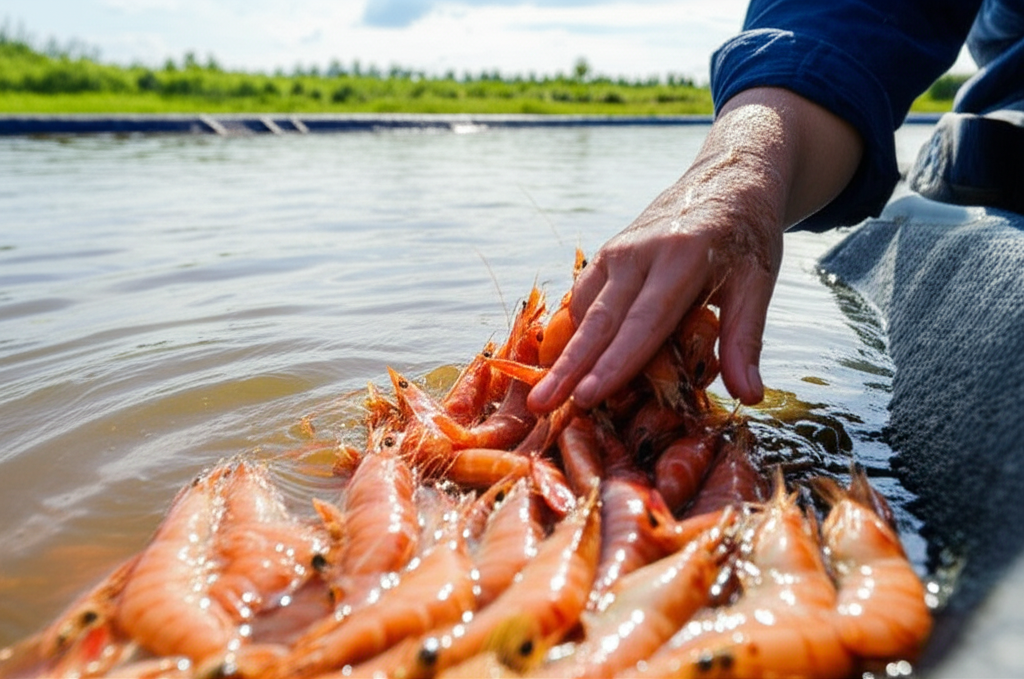
This is the most traditional and least intensive method. Shrimp are raised in large, shallow ponds with minimal stocking densities. The shrimp naturally feed on plankton and other organisms that develop in the pond ecosystem. Water exchange is often minimal.
- Pros: Lower environmental impact, lower production costs.
- Cons: Lower yields, less control over growth and quality, longer grow-out periods.
2. Semi-Intensive Farming
This method involves higher stocking densities than extensive farming. Ponds are managed more actively, with regular water exchange and supplementary feeding. This allows for better control over the shrimp’s diet and growth.
- Pros: Higher yields than extensive farming, better growth rates.
- Cons: Requires more management, higher feed costs, moderate environmental impact.
3. Intensive Farming
This is the most controlled and high-yield method. Shrimp are raised in densely stocked tanks or ponds with advanced systems for aeration, water quality management, and automated feeding. This method requires significant investment in infrastructure and technology.
- Pros: Very high yields, faster growth rates, precise control over conditions.
- Cons: High production costs, higher risk of disease outbreaks if not managed perfectly, greater potential environmental impact if waste is not managed.
4. Super-Intensive Farming
An even more advanced version of intensive farming, often using closed-system or recirculating aquaculture systems (RAS). These systems minimize water exchange, recycle nutrients, and provide highly controlled environments. This method is often used in land-based facilities.
- Pros: Extremely high yields, minimal water usage, reduced environmental footprint from water discharge.
- Cons: Very high initial investment, requires sophisticated technical expertise, high energy consumption for life support systems.
Here’s a quick comparison of the methods:
| Farming Method | Stocking Density | Feeding | Water Management | Yield | Environmental Impact |
|---|---|---|---|---|---|
| Extensive | Low | Natural pond food | Minimal | Low | Low |
| Semi-Intensive | Medium | Supplementary feed | Moderate | Medium | Moderate |
| Intensive | High | Formulated feed, aerated | Frequent exchange | High | Moderate to High |
| Super-Intensive | Very High | Formulated feed, highly controlled | Recirculated/minimal exchange | Very High | Low (discharge), High (energy) |
Are Farm-Raised Shrimp Safe to Eat?
This is a question many people have, and it’s a valid concern. Like any food production, shrimp farming has faced scrutiny regarding its safety and environmental practices. However, significant progress has been made in improving these aspects.
Feed: Modern shrimp farms use formulated feeds that are carefully balanced to provide the necessary nutrients for healthy growth. These feeds are designed to be efficient, meaning less feed is wasted, and the shrimp convert more of it into body mass. The composition of feed can vary, and some farms use sustainable ingredients. Responsible farms aim to reduce their reliance on wild-caught fish for feed by incorporating alternative protein sources.
Antibiotics and Chemicals: In the past, some shrimp farms used antibiotics to prevent and treat diseases, leading to concerns about antibiotic resistance and residues in the shrimp. However, many countries and certification bodies have implemented stricter regulations and guidelines. Look for certifications like the Aquaculture Stewardship Council (ASC) or Best Aquaculture Practices (BAP) which ensure responsible farming practices, including limits on antibiotic use.
Environmental Impact: The environmental impact of shrimp farming can vary greatly depending on the method used. Intensive and super-intensive methods, especially those using recirculating systems, can have a lower impact in terms of water usage and waste discharge compared to poorly managed pond systems. Sustainable practices focus on minimizing waste, preventing pollution, and protecting natural habitats like mangroves. The World Wildlife Fund (WWF) also provides guidance on choosing more sustainable seafood options.
When choosing shrimp, look for labels that indicate sustainable practices or certifications. This helps support farms that are committed to responsible production.
Why Most Shrimp at the Supermarket are Farm-Raised
If you’ve ever bought shrimp from a typical grocery store, chances are you’ve purchased farm-raised shrimp. This is because the global supply chain for seafood is heavily dominated by aquaculture. Here’s why:
- Consistency and Volume: Farms can produce large volumes of shrimp consistently throughout the year, ensuring a steady supply for retailers and consumers. Wild fisheries are subject to natural cycles and catch limits, making them less reliable for mass market distribution.
- Price Point: Farm-raised shrimp are often more affordable than wild-caught varieties due to the efficiency and scale of production. This makes them accessible to a wider range of consumers.
- Handling and Processing: Farm-raised shrimp are often processed and frozen shortly after harvest, which helps maintain their quality and freshness. This controlled environment makes them easier to manage in the supply chain.
- Consumer Demand: The convenience and affordability of farm-raised shrimp have made them the default choice for many consumers, further driving the market towards aquaculture.
While wild-caught shrimp are available, they are usually more expensive and might be marketed as specialty items. They often come from specific fisheries with regulations in place to ensure sustainability.
How to Identify Farm-Raised vs. Wild-Caught Shrimp
Distinguishing between farm-raised and wild-caught shrimp can be tricky, as they often look similar once processed. However, there are a few clues:
1. Packaging and Labeling
This is your best bet! Look for:
- Country of Origin: Many farm-raised shrimp come from countries with large aquaculture industries, such as Vietnam, Ecuador, India, or Thailand. Wild-caught shrimp might be labeled with their specific fishing area or country, but it’s less common for large-scale retail.
- Farming Certifications: As mentioned, look for ASC, BAP, or other sustainability certifications. These almost always apply to farmed products.
- “Farmed Raised” vs. “Wild Caught”: Sometimes, packaging will explicitly state the origin.
- Species: Certain species are more commonly farmed than others. For example, Pacific white shrimp (Litopenaeus vannamei) and black tiger shrimp (Penaeus monodon) are overwhelmingly farm-raised.
2. Price
Generally, farm-raised shrimp are less expensive than wild-caught shrimp. If a deal seems too good to be true for what looks like a premium product, it’s likely farm-raised.
3. Appearance (Less Reliable)
This is less definitive, especially for processed shrimp. However, sometimes:
- Color: Wild-caught shrimp might have a more varied color range depending on their diet and species. Farm-raised shrimp can sometimes have a more uniform color.
- Size: Both farmed and wild shrimp come in various sizes. However, specific farming practices can sometimes yield shrimp of very consistent sizes.
It’s important to note that “wild-caught” doesn’t automatically mean “better” or “more sustainable.” Some wild fisheries are overexploited, while responsible aquaculture can be a more sustainable option.
Tips for Choosing Shrimp
Now that you know the basics, here are some practical tips for making informed choices when buying shrimp:
1. Read the Label Carefully
Always check the packaging for country of origin, species, and any certifications. This is the most reliable way to know what you’re getting.
2. Look for Sustainability Certifications
Certifications like ASC or BAP indicate that the shrimp were raised using responsible farming practices that consider environmental and social factors.
3. Consider the Species
If you want to support more sustainable aquaculture, look for species that are known for having more environmentally friendly farming methods, or species that are less resource-intensive to farm.
4. Freshness Matters
Whether farmed or wild, opt for shrimp that smell fresh and clean (like the sea, not fishy or ammonia-like). If buying fresh, they should be firm and translucent, not mushy or discolored.
5. Know Your Source
If you have a trusted local fishmonger or farmer’s market, ask them about their shrimp. They might be able to provide information about where their shrimp come from and how they were raised or caught.
6. Frozen vs. Fresh
Frozen shrimp are often frozen at sea or shortly after harvest, locking in freshness. This can be a great option, especially if you don’t live near the coast. Look for shrimp that are frozen solid with minimal ice crystals, which can indicate they haven’t been thawed and refrozen.
Shrimp Farming and the Aquarium Hobby
For those of us who love keeping shrimp in our home aquariums, the distinction between farm-raised and wild-caught is also relevant, though in a different context. Most ornamental shrimp, like Cherry Shrimp (Neocaridina davidi) or Crystal Red Shrimp (Caridina cantonensis), are bred in captivity by hobbyists and specialized breeders. These are not the same shrimp you find in the grocery store!
These aquarium shrimp are bred for their colors, patterns, and temperament, and they are raised in carefully controlled aquarium environments. When you buy aquarium shrimp, you are supporting a segment of the ornamental fish and invertebrate industry that is entirely captive-bred. This is a crucial point for hobbyists: purchasing captive-bred ornamental shrimp helps reduce the demand for wild-caught invertebrates, which can be detrimental to wild ecosystems.
If you’re interested in keeping shrimp as pets, it’s important to source them from reputable aquarium stores or hobbyist breeders who specialize in captive-bred ornamental shrimp. This ensures you are getting healthy animals and contributing positively to the hobby.
Frequently Asked Questions (FAQ)
Q1: Are all shrimp farm-raised?
No, not all shrimp are farm-raised. While the majority of shrimp sold commercially are farm-raised to meet global demand, wild-caught shrimp are also available, though often at a higher price point and with less consistent supply.
Q2: Is it safe to eat farm-raised shrimp?
Yes, farm-raised shrimp are generally safe to eat. Reputable farms adhere to strict quality control and safety standards. Choosing shrimp with sustainability certifications (like ASC or BAP) can provide extra assurance regarding responsible farming practices, including feed and antibiotic use.
Q3: What’s the difference between farm-raised and wild-caught shrimp in terms of taste?
Taste can be subjective and depends on many factors, including species, diet, and freshness. Some people find wild-caught shrimp to have a slightly stronger, brinier flavor, while farm-raised shrimp might have a milder, sweeter taste. However, both can be delicious when fresh and properly prepared.
Q4: How can I tell if shrimp are farm-raised just by looking at them?
It can be very difficult to tell the difference just by looking, especially once they are processed and frozen. The most reliable way is to check the packaging for country of origin, species, and specific labeling like “farm-raised” or “wild-caught.”
Q5: Are there any environmental concerns with shrimp farming?
Yes, there can be environmental concerns, such as habitat destruction (e.g., mangrove clearing for ponds), water pollution from waste and uneaten feed, and the potential use of antibiotics. However, responsible aquaculture practices and certifications aim to mitigate these issues. Methods like super-intensive farming in recirculating systems can significantly reduce water usage and waste discharge.
Q6: Which is more sustainable: farm-raised or wild-caught shrimp?
Sustainability can vary greatly for both. Well-managed, certified farm-raised shrimp can be more sustainable than some overfished wild stocks. Conversely, some wild fisheries are managed sustainably. It’s best to look for sustainability certifications on either type of shrimp or choose species known for their responsible sourcing.
Q7: Where do most farm-raised shrimp come from?
The majority of the world’s farm-raised shrimp come from aquaculture operations in Asia, particularly countries like Vietnam, India, Indonesia, and Thailand. Ecuador is also a major producer in South America.
Conclusion
So, to answer the big question: yes, most shrimp you encounter in supermarkets and restaurants are indeed farm-raised. This global shift towards aquaculture is driven by a need to meet increasing consumer demand and provide a stable, accessible supply of this popular seafood. While concerns about farming practices exist, the industry is continuously evolving, with a growing emphasis on sustainability, safety, and responsible production.
By understanding the different farming methods, knowing what to look for on packaging, and seeking out sustainability certifications, you can make informed choices that align with your values and dietary preferences. Whether you’re a seasoned seafood lover or just beginning to explore the world of shrimp, this knowledge empowers you to enjoy your meals with confidence. Happy shopping and happy cooking!