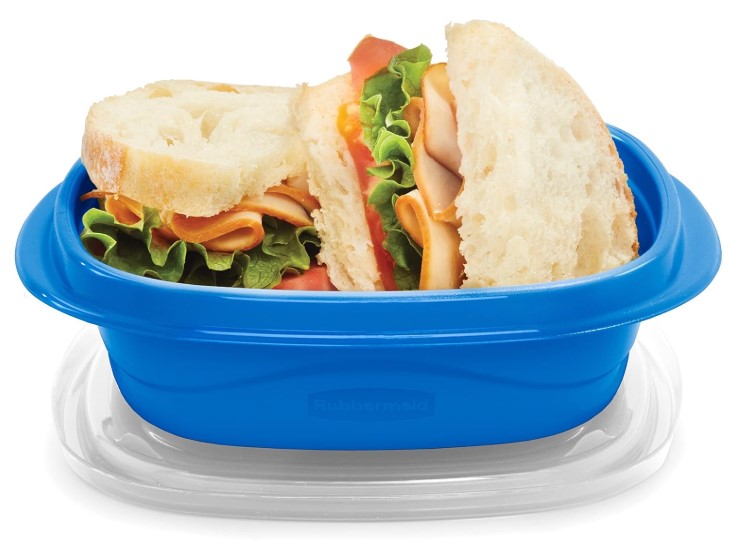

Microwaving leftovers feels effortless until the question of container safety pops up. Rubbermaid TakeAlongs are popular for storing meals, snacks, and lunch preps, but many wonder if they can handle the heat of a microwave without warping or releasing harmful chemicals.
These containers are designed with convenience in mind, offering lightweight portability, secure lids, and easy stacking. Understanding their material, heat tolerance, and manufacturer’s guidelines ensures you can reheat your food without worry.
Not every plastic container performs the same under microwave conditions, so knowing the facts keeps your food safe and your containers in good shape.
This guide explores what makes Rubbermaid TakeAlongs a trusted choice, how to use them correctly in a microwave, and tips to extend their lifespan while keeping your meals fresh and flavorful. By the end, you’ll know exactly how to enjoy reheated food without second-guessing your container choice.
Are Rubbermaid TakeAlongs Microwave Safe?
Rubbermaid TakeAlongs are popular food storage containers in many homes. People use them for meal prep, freezing leftovers, packing snacks, and carrying lunch. They are light, inexpensive, and easy to stack.
But one common question comes up: Can you safely put them in the microwave? The answer is not just a simple yes or no. It depends on how you use them. Some people damage their containers because they heat food the wrong way. Others worry about chemicals in plastic.
Understanding the right way to microwave these containers can help you keep your food safe and your TakeAlongs lasting longer.
Yes, Rubbermaid TakeAlongs are microwave safe. The company makes them from BPA-free plastic designed to handle regular microwave use. You can warm food without melting the container if you follow safety steps.
The official Rubbermaid website says all TakeAlongs with the microwave-safe symbol can go into the microwave. This symbol is usually on the bottom of the container and looks like a microwave with three wavy lines.
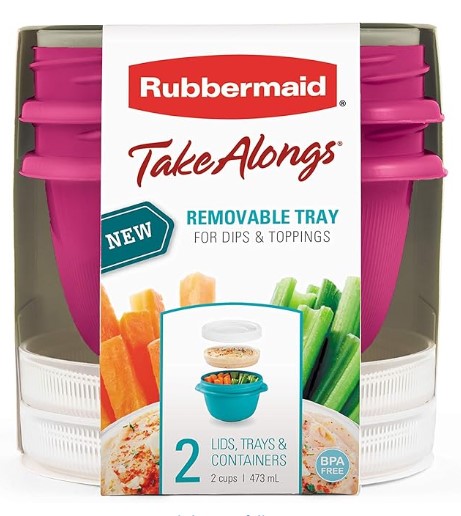
Rubbermaid TakeAlongs Snacking Food Storage Containers
Why the Microwave-Safe Symbol Matters?
The microwave-safe symbol is your best guide. Not all plastic containers have it. Some plastics can release harmful chemicals when heated, while others can warp or melt.
Rubbermaid tests their TakeAlongs to make sure they hold up under normal heating conditions.
If your container doesn’t have the symbol, don’t use it in the microwave. Even if it’s from Rubbermaid, it might be an older product made for storage only.
Safe Microwaving Tips for Rubbermaid TakeAlongs
1. Loosen the Lid
Always loosen the lid or leave one corner open. This lets steam escape and prevents pressure from building inside. A tight lid can cause the container to pop open suddenly or even crack.
2. Use Medium Power
Microwaves heat from the outside in. High heat for too long can make the plastic too hot in spots. Use medium or 50–70% power settings to warm food gently.
3. Heat in Short Intervals
Warm food in 30–60 second bursts, then stir or flip it. This helps the heat spread evenly and keeps hot spots from damaging the container.
4. Avoid Microwaving Empty
Never put an empty TakeAlongs container in the microwave. Without food to absorb the heat, the plastic itself can overheat.
5. Let Food Cool Before Storing
After microwaving, let food cool for a short time before snapping the lid on. Trapping very hot steam inside can weaken the lid seal over time.
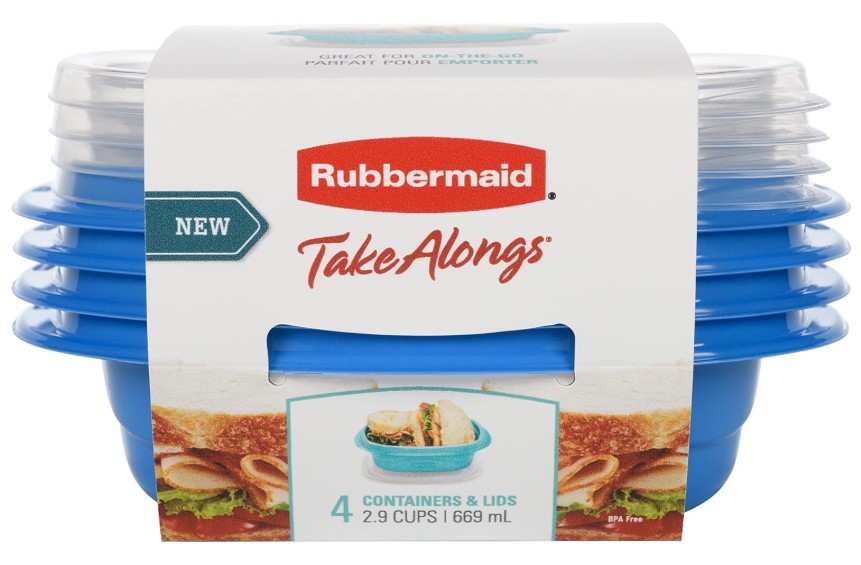
Rubbermaid TakeAlongs Food-Storage Container
Foods That May Damage or Stain TakeAlongs
Even though they are safe for the microwave, some foods are tougher on plastic.
-
Tomato-based sauces – Can leave red stains because of natural acids and pigments.
-
Oily or greasy foods – Get hotter than water-based foods and may warp the container.
-
High-sugar foods – Heat unevenly and can cause hot spots that damage plastic.
If you need to heat these foods, use lower power and shorter times.
Understanding BPA-Free Safety
Rubbermaid TakeAlongs are made from BPA-free polypropylene plastic. BPA (Bisphenol-A) is a chemical once common in many plastics and linked to health risks. Being BPA-free means TakeAlongs do not have this chemical.
Still, all plastics can wear down over time. If you see deep scratches, cloudiness, or warping, it’s a sign the container is getting old. Replace it before it breaks or affects your food.
Can You Microwave Frozen Food in TakeAlongs?
Yes, you can. But it’s best to defrost food slowly. Use the microwave’s defrost setting or 50% power. Sudden high heat can make the frozen food expand quickly and crack the container.
How Long Can You Microwave Rubbermaid TakeAlongs?
There is no exact time limit, but keep heating under 3 minutes at a time. If the food needs more time, stir it and heat again. This reduces the risk of overheating the plastic.
FAQs
Q: Can I microwave with the lid closed tight?
No. Always vent the lid to let steam escape.
Q: Are Rubbermaid TakeAlongs safe for hot liquids?
Yes, for warm or hot liquids like soup. But do not use them for boiling liquids, as that can exceed their heat limit.
Q: Will microwaving cause chemicals to leak into food?
Rubbermaid says their BPA-free plastic is safe for normal microwave use. Overheating or damaging the container can increase risks, so use proper settings.
Q: Can I microwave them every day?
Yes, but expect wear and tear over time. Replace them when they get damaged or lose their shape.
Q: Can I reheat oily fried food in them?
Yes, but use lower heat to avoid warping the plastic.
Conclusion
Rubbermaid TakeAlongs are safe for microwave use as long as you follow the manufacturer’s instructions. Check for the microwave-safe symbol, vent the lid, and use medium heat.
Avoid long, high-heat cooking, and be careful with very oily or tomato-based foods. With proper care, your TakeAlongs can last for months or even years, making them a practical choice for storing and reheating meals.