
Are you wondering if Rubbermaid containers are safe to use in the microwave? You’re not alone.
Many people rely on these containers for storing food, but when it comes to reheating, questions about safety and durability come up. Using the wrong container in the microwave can cause melting, leaks, or even harmful chemicals to seep into your food.
Keep reading to find out exactly which Rubbermaid containers you can trust in the microwave and how to use them safely every time. Your food—and your health—deserve it.
Rubbermaid Container Types
Rubbermaid offers many container types for food storage. Each type uses different materials. These materials affect how you can use them. Especially in microwaves, not all containers are safe. Knowing the types helps you choose the right one for your needs.
Some Rubbermaid containers are made from plastic. Others use glass or mixed materials. Each type has its own rules for microwaving. Let’s explore the common types you will find.
Plastic Varieties
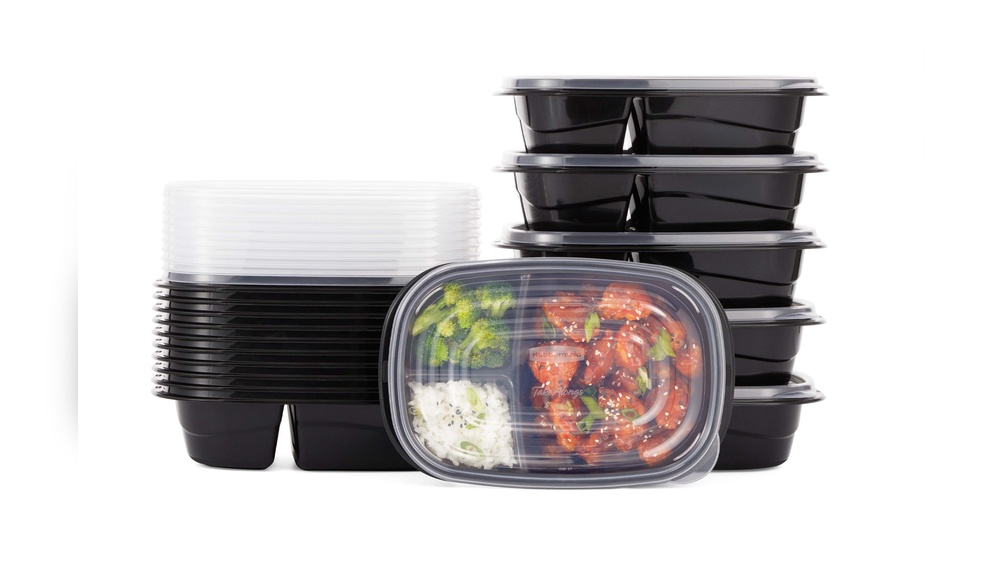
Rubbermaid plastic containers vary by the kind of plastic used. Most are made from polypropylene or polyethylene. Polypropylene is microwave safe for reheating food. Polyethylene, however, is not always safe for microwaves.
Look for containers labeled “microwave safe.” These plastics resist heat and avoid melting. Clear plastic containers may not be microwave safe. Some plastics can release harmful chemicals when heated.
Always check the bottom of the container for microwave symbols. This helps you avoid damage or health risks. Plastic lids may not be microwave safe, even if the container is.
Glass And Other Materials
Rubbermaid also makes glass containers. Glass is usually safe for microwaves. It does not melt or warp from heat. Glass containers often have plastic lids, which might not be microwave safe.
Some Rubbermaid containers use mixed materials. These combine glass or plastic with silicone seals. Silicone seals can be microwave safe, but check the label. Avoid containers with metal parts in the microwave.
Glass containers provide better heat resistance. They often last longer and do not stain. Choosing glass can be safer for microwave use overall.

Credit: www.amazon.com
Microwave Safety Labels
Microwave safety labels on Rubbermaid containers help you know if they are safe to use in microwaves. These labels protect your food and container from damage. They show if the container can handle heat without melting or releasing harmful chemicals.
Reading these labels correctly is important. They guide you to avoid unsafe microwaving. Understanding the symbols and warnings saves your food and keeps your kitchen safe.
Identifying Microwave-safe Symbols
Look for a microwave icon on the container or its lid. This icon usually looks like a small microwave or wavy lines. It means the container can go in the microwave safely. Some labels say “microwave safe” in words. These marks show the container can handle microwave heat without damage.
Containers with these symbols are tested for microwave use. They do not melt or warp easily. Food heats evenly inside these containers. These symbols help avoid guesswork when reheating food.
Labels To Avoid
Avoid containers with no microwave symbol or warning labels. Some containers say “not for microwave use” or “hand wash only.” These containers can melt or release harmful chemicals when microwaved. Also, avoid containers with metal parts or decorations.
Containers with cracks, scratches, or damage should not go in microwaves. Damaged containers may leak chemicals into food. Always check labels and container condition before microwaving.
Heat Resistance Of Rubbermaid Plastics
Rubbermaid plastics are popular for storing food safely. Their heat resistance makes them useful in many kitchens. Understanding how much heat these containers can handle is important. It helps you avoid damage and keeps your food safe. Let’s explore the heat resistance of Rubbermaid plastics.
Bpa And Chemical Concerns
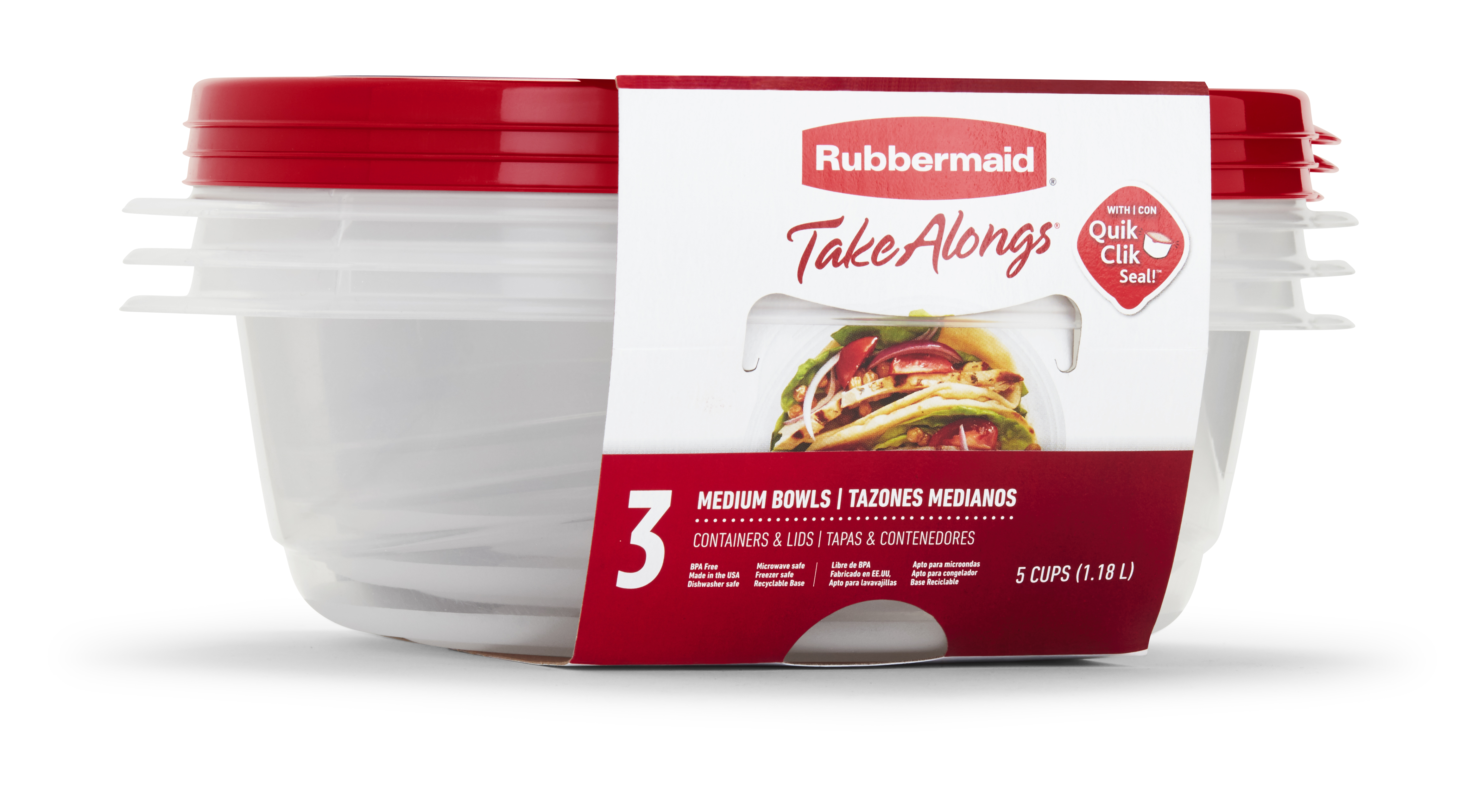
Many Rubbermaid containers are BPA-free. BPA can harm health if it leaches into food. Rubbermaid uses safer plastics to reduce this risk. Chemical safety is a priority in their design. This means less worry when heating food. Still, always check the label for BPA information.
Temperature Limits
Rubbermaid plastics have clear temperature limits. Most containers can handle microwaving up to 120°C (248°F). Exceeding this can cause warping or melting. Some are designed for freezer to microwave use. Check the bottom of your container for symbols. These guide safe temperature ranges and microwave use.
Common Risks In Microwaving
Microwaving food in plastic containers can pose risks. Not all containers handle heat well. Using the wrong type may harm your health or damage the container. Understanding these common risks helps you use Rubbermaid containers safely.
Chemical Leaching
Some plastics release harmful chemicals when heated. These chemicals can mix with your food. Eating such food may cause health problems. Rubbermaid containers marked microwave-safe limit this risk. Still, avoid overheating or using damaged containers.
Container Warping And Melting
High microwave heat can warp or melt plastic containers. This changes their shape and strength. Warped containers may leak or break. Melting releases toxic fumes and ruins the container. Use containers made for microwave use only to avoid this risk.
Best Practices For Microwave Use
Using Rubbermaid containers in the microwave can save time and reduce dishes. Following best practices ensures safety and keeps your containers in good shape. These tips help you heat food evenly and avoid damage to the container.
Using Lids And Covers
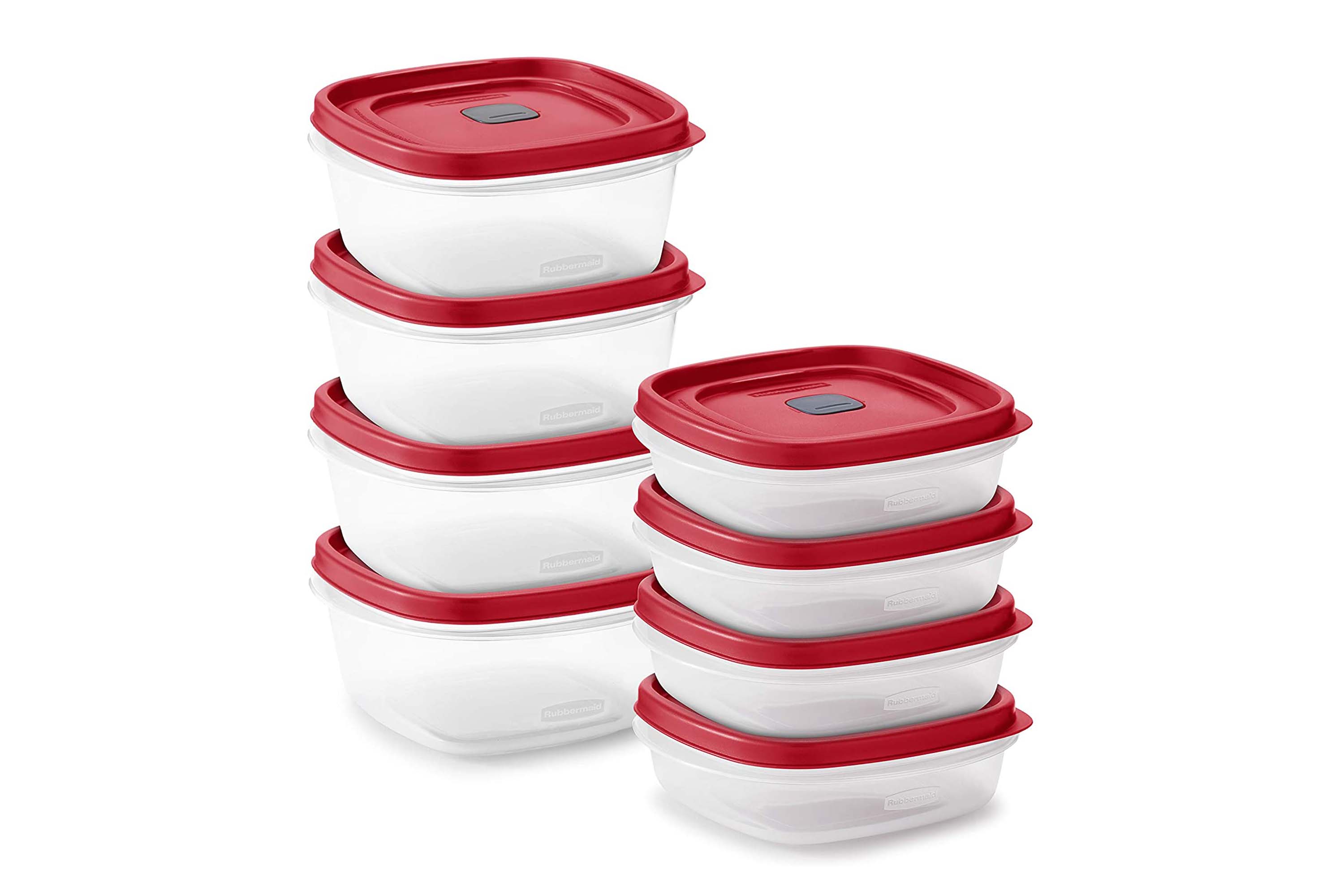
Always check if the lid is microwave-safe. Many Rubbermaid lids are not made for microwaving. Use a microwave-safe cover or vent the lid slightly to release steam. This prevents pressure build-up that can cause spills or damage. Covering food also stops splatters inside the microwave.
Avoiding Overheating
Heat food in short bursts to avoid overheating. Rubbermaid containers can warp or melt under high heat. Stir food between heating sessions for even warmth. Never microwave empty containers, as they may get damaged. Follow the container’s instructions for maximum microwave time.
Alternatives To Rubbermaid For Microwaving
Not all Rubbermaid containers suit microwaving. Some plastics can warp or release chemicals when heated. Choosing the right container keeps food safe and tasty. Many prefer alternatives that handle heat better and last longer.
Glass Containers
Glass containers are a popular choice for microwaving. They do not melt or release harmful chemicals. Glass heats evenly, so food cooks better. Many glass containers come with microwave-safe lids. They are easy to clean and do not stain. Using glass reduces worries about plastic safety.
Ceramic Options
Ceramic containers work well in microwaves too. They can handle high heat without cracking. Ceramics often keep food warm longer after microwaving. These containers come in many sizes and styles. They are also dishwasher safe and easy to care for. Ceramics offer a sturdy, safe option for heating food.
User Experiences And Reviews
User experiences and reviews give real insight about Rubbermaid containers in microwaves. Many users share their thoughts and stories online. These opinions help others decide if these containers suit their needs. Both positive feedback and reported issues appear often. This section highlights common points from everyday users.
Positive Feedback
Many users praise Rubbermaid containers for being microwave safe. They say containers heat food evenly without warping. The lids fit tightly, preventing spills during reheating. Users also like that containers are easy to clean. Some mention containers do not absorb food odors. These benefits make them popular for daily meal prep. Several reviews note containers hold up well over time. They also work well for freezing and microwaving food.
Reported Issues
Some users report problems after microwaving in Rubbermaid containers. A few say lids can warp or lose shape. Others mention containers may stain from certain foods. Some users warn about containers becoming very hot. This can make handling tricky without oven mitts. A small group notes containers cracked after repeated microwave use. These issues suggest checking the specific product’s microwave instructions. Using lower heat settings can also help prevent damage.
Credit: www.rubbermaid.com
Credit: www.rubbermaid.com
Frequently Asked Questions
Are Rubbermaid Containers Safe For Microwave Use?
Yes, many Rubbermaid containers are microwave-safe. Look for the microwave-safe symbol on the container’s bottom to ensure safety. Avoid microwaving containers not labeled as microwave-safe to prevent melting or chemical leaching. Always follow manufacturer guidelines for best results.
How To Identify Microwave-safe Rubbermaid Containers?
Check for a microwave-safe icon, usually a microwave symbol, on the container’s base. Rubbermaid often labels their products clearly. Containers without this label should not be microwaved. This ensures the container won’t warp or release harmful chemicals during heating.
Can I Microwave Rubbermaid Containers With Lids On?
It’s best to leave lids slightly open or vented when microwaving Rubbermaid containers. This prevents pressure build-up and potential lid warping or popping. If the lid isn’t vented, remove it before microwaving for safe heating and to avoid spills.
Do Rubbermaid Containers Release Harmful Chemicals In Microwaves?
Microwave-safe Rubbermaid containers are designed to avoid chemical leaching during heating. Non-microwave-safe containers may release harmful substances if microwaved. Always use containers specifically marked microwave-safe to protect your health and ensure food safety.
Conclusion
Rubbermaid containers can be safe for microwave use, but check labels first. Many containers say “microwave safe” on the bottom. Avoid heating foods in containers not marked safe. High heat may warp or damage some plastics. Use glass or ceramic if unsure.
Always remove lids before microwaving to prevent pressure build-up. Let food cool a bit before handling. Small steps keep you safe and your food fresh. Choose wisely and enjoy easy reheating with the right container. Simple care makes a big difference in kitchen safety.