

Grilled chicken is excellent for weight loss due to its high protein content, low fat, and ability to keep you full longer. It’s a versatile, nutrient-dense food that fits perfectly into calorie-controlled diets when prepared without added oils or sugary sauces.
Key Takeaways
- High in protein: Grilled chicken provides high-quality protein that boosts metabolism and reduces appetite, helping you eat fewer calories.
- Low in calories and fat: Especially when skinless, grilled chicken is lower in calories than fried or breaded versions, making it ideal for weight loss.
- Keeps you full longer: Protein increases satiety hormones, reducing hunger and late-night snacking.
- Supports muscle maintenance: Preserving muscle mass during weight loss helps maintain a higher metabolic rate.
- Versatile and easy to prepare: Can be seasoned and paired with vegetables, whole grains, or salads for balanced meals.
- Avoid high-calorie marinades: Choose herbs, spices, citrus, or vinegar-based sauces instead of sugary or creamy dressings.
- Portion control matters: Stick to 3–4 ounces per serving to stay within calorie goals.
Quick Answers to Common Questions
Is grilled chicken better than fried chicken for weight loss?
Yes, grilled chicken is much better for weight loss. It’s lower in calories and fat because it’s not breaded or cooked in oil, unlike fried chicken, which can be high in unhealthy fats and calories.
How much grilled chicken should I eat per day for weight loss?
Aim for 3–4 ounces (about the size of a deck of cards) per meal. This provides around 25–30 grams of protein without excess calories.
Can I eat grilled chicken every day while losing weight?
Yes, you can eat grilled chicken daily as part of a balanced diet. Just vary your sides and seasonings to ensure you get a range of nutrients.
Does grilling chicken add carcinogens?
Grilling at high temperatures can produce compounds like heterocyclic amines (HCAs), but marinating chicken in herbs, vinegar, or citrus can reduce their formation. Avoid charring for safer grilling.
Is skinless grilled chicken healthier than with skin?
Yes, removing the skin reduces fat and calories significantly. A skinless breast has about 140 calories, while one with skin can have over 200.
📑 Table of Contents
- Are Grilled Chicken Good for Weight Loss? Find Out Now
- Why Protein Is Essential for Weight Loss
- Grilled Chicken vs. Other Protein Sources
- Nutritional Profile of Grilled Chicken
- How Grilled Chicken Helps You Feel Full Longer
- Best Ways to Prepare Grilled Chicken for Weight Loss
- Common Mistakes to Avoid
- Sample Meal Ideas with Grilled Chicken
- Conclusion
Are Grilled Chicken Good for Weight Loss? Find Out Now
If you’re on a weight loss journey, you’ve probably heard that protein is your best friend. And when it comes to lean, satisfying, and delicious protein sources, grilled chicken often tops the list. But is grilled chicken actually good for weight loss? The short answer is yes—when prepared properly, grilled chicken can be a powerful ally in helping you shed pounds, maintain energy, and feel full longer.
Unlike fried or breaded chicken, which can be loaded with unhealthy fats and extra calories, grilled chicken is cooked with minimal added oil, preserving its natural leanness. It’s also incredibly versatile—whether you’re tossing it into a salad, wrapping it in lettuce, or serving it with roasted vegetables, grilled chicken fits seamlessly into a balanced, calorie-conscious diet. Plus, it’s packed with essential nutrients like B vitamins, selenium, and phosphorus, which support overall health while you’re losing weight.
But like any food, the benefits of grilled chicken depend on how you prepare and serve it. A chicken breast slathered in creamy sauce or marinated in sugary teriyaki might taste amazing, but it could sabotage your weight loss goals. The key is smart seasoning, proper cooking methods, and pairing it with nutrient-rich sides. In this article, we’ll dive deep into why grilled chicken is a weight loss superstar, how it compares to other protein sources, and practical tips to make it a staple in your healthy eating plan.
Why Protein Is Essential for Weight Loss
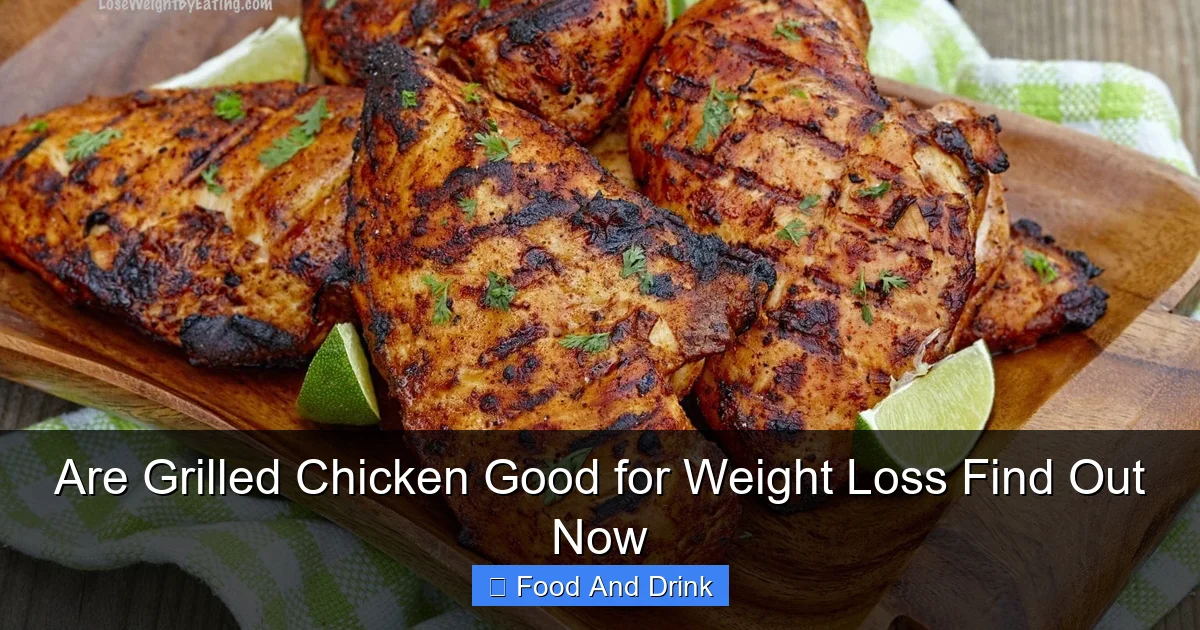
Visual guide about Are Grilled Chicken Good for Weight Loss Find Out Now
Image source: loseweightbyeating.com
Before we get into the specifics of grilled chicken, it’s important to understand why protein plays such a crucial role in weight loss. Protein isn’t just for bodybuilders—it’s a fundamental macronutrient that affects hunger, metabolism, and body composition in ways that directly support fat loss.
One of the biggest challenges in losing weight is managing hunger. When you cut calories, your body naturally feels hungrier, which can lead to cravings, overeating, and eventually giving up on your diet. Protein helps fight this by increasing the production of satiety hormones like peptide YY and GLP-1, which signal to your brain that you’re full. Studies consistently show that people who eat more protein feel less hungry throughout the day and consume fewer calories overall.
But protein does more than just curb appetite. It also has a higher thermic effect than fats or carbohydrates, meaning your body burns more calories digesting and processing protein. This is known as the thermic effect of food (TEF). While carbs and fats have a TEF of about 5–10%, protein’s TEF can be as high as 20–30%. So, by eating more protein, you’re essentially turning up your metabolism slightly, helping you burn more calories even at rest.
Another major benefit of protein is its role in preserving lean muscle mass. When you lose weight, especially through calorie restriction, your body doesn’t just lose fat—it can also break down muscle for energy. This is problematic because muscle tissue burns more calories than fat, even when you’re not moving. Losing muscle can slow your metabolism, making it harder to keep the weight off. Eating enough protein, especially when combined with strength training, helps protect your muscles and maintain a higher metabolic rate.
Grilled chicken is one of the best sources of high-quality, complete protein. A 3-ounce serving of skinless grilled chicken breast contains about 26 grams of protein and only around 140 calories. That’s a powerful combination for weight loss—plenty of protein to keep you full and support muscle, with minimal calories to help you stay in a deficit.
Grilled Chicken vs. Other Protein Sources

Visual guide about Are Grilled Chicken Good for Weight Loss Find Out Now
Image source: trimmedandtoned.com
When it comes to choosing protein for weight loss, not all sources are created equal. While grilled chicken is a top contender, it’s helpful to compare it with other popular options like beef, pork, fish, eggs, and plant-based proteins to understand where it stands.
Let’s start with beef. Lean cuts like sirloin or tenderloin can be good sources of protein, but they often contain more saturated fat and calories than chicken. A 3-ounce serving of grilled lean beef might have around 22 grams of protein but can pack 200–250 calories, depending on the cut. While beef has its place in a balanced diet, grilled chicken generally offers more protein per calorie, making it a better choice when you’re watching your intake.
Pork, especially tenderloin, can be lean and nutritious, but many cuts—like bacon or sausage—are high in fat and sodium. Even lean pork chops tend to have more fat than chicken breast. Grilled chicken breast, especially when skinless, typically has less than 3 grams of fat per serving, compared to 7–10 grams in a similar portion of pork.
Fish is another excellent protein source, and fatty fish like salmon are rich in heart-healthy omega-3 fatty acids. However, salmon and other oily fish are higher in calories due to their fat content. A 3-ounce serving of grilled salmon has about 22 grams of protein but around 180–200 calories. While salmon is incredibly nutritious, grilled chicken breast offers more protein for fewer calories, which can be advantageous during a calorie deficit.
Eggs are a fantastic source of protein and healthy fats, but they’re not as lean as chicken. One large egg has about 6 grams of protein and 70 calories, so you’d need several eggs to match the protein in a chicken breast—along with more fat and cholesterol. Eggs are great for breakfast or snacks, but grilled chicken is better for main meals when you want high protein with low fat.
Plant-based proteins like tofu, tempeh, lentils, and beans are excellent for vegetarians and vegans, and they come with added fiber and nutrients. However, most plant proteins are not “complete,” meaning they lack one or more essential amino acids. You often need to combine different sources (like rice and beans) to get all the amino acids your body needs. Grilled chicken, on the other hand, is a complete protein, providing all nine essential amino acids in one serving.
When it comes to convenience and versatility, grilled chicken also wins. It’s easy to meal prep, stores well, and can be seasoned in countless ways. Whether you’re grilling, baking, or air-frying, chicken adapts to your cooking style and dietary preferences.
Nutritional Profile of Grilled Chicken

Visual guide about Are Grilled Chicken Good for Weight Loss Find Out Now
Image source: recipeflow.com
To truly understand why grilled chicken is good for weight loss, let’s break down its nutritional profile. A 3-ounce (about 85 grams) serving of skinless, boneless grilled chicken breast contains approximately:
– Calories: 140
– Protein: 26 grams
– Fat: 3 grams (mostly unsaturated)
– Carbohydrates: 0 grams
– Sodium: 60–80 mg (varies by seasoning)
– Cholesterol: 85 mg
This makes grilled chicken one of the most nutrient-dense foods you can eat. It’s low in calories, high in protein, and virtually free of carbs, making it ideal for low-carb, keto, or calorie-restricted diets.
The protein in chicken is considered “high biological value,” meaning your body can easily absorb and use it. It contains all nine essential amino acids, including leucine, which is particularly important for muscle protein synthesis. This is why athletes and fitness enthusiasts often rely on chicken to support muscle recovery and growth.
Chicken is also rich in B vitamins, especially niacin (B3) and vitamin B6. Niacin helps convert food into energy and supports healthy skin and nerves, while B6 is crucial for brain function and red blood cell production. A single serving of grilled chicken can provide over 50% of your daily niacin needs and about 25% of your B6 requirements.
Selenium is another key nutrient found in chicken. This mineral acts as an antioxidant, protecting your cells from damage and supporting thyroid function. The thyroid plays a major role in regulating metabolism, so getting enough selenium can indirectly support weight loss.
Phosphorus, which works with calcium to build strong bones and teeth, is also abundant in chicken. And while chicken isn’t a significant source of iron compared to red meat, it still contributes to your daily intake, especially when paired with iron-rich vegetables like spinach or broccoli.
One thing to keep in mind is sodium. While plain grilled chicken is naturally low in sodium, pre-packaged or pre-seasoned versions can be high in salt. Always check labels and opt for low-sodium or homemade seasonings when possible.
How Grilled Chicken Helps You Feel Full Longer
One of the biggest hurdles in weight loss is dealing with hunger. When you reduce calories, your body fights back by increasing hunger signals, making it harder to stick to your plan. This is where grilled chicken shines—its high protein content helps you feel full and satisfied, reducing the urge to snack or overeat.
Protein takes longer to digest than carbohydrates or fats, which means it stays in your stomach longer and slows down the emptying process. This prolonged digestion leads to a steady release of energy and a reduced sense of hunger. In fact, research shows that high-protein meals can increase feelings of fullness by up to 60% compared to high-carb meals with the same number of calories.
But it’s not just about digestion. Protein also affects your hormones. When you eat protein, your body releases hormones like cholecystokinin (CCK), glucagon-like peptide-1 (GLP-1), and peptide YY, all of which signal fullness to your brain. These hormones help regulate appetite and can reduce cravings for sugary or fatty foods.
For example, a study published in the American Journal of Clinical Nutrition found that participants who ate a high-protein breakfast (including eggs and lean meat) felt less hungry and ate fewer calories at lunch compared to those who ate a high-carb breakfast. Another study showed that increasing protein intake from 15% to 30% of total calories led to a spontaneous reduction in daily calorie intake by about 440 calories—without any conscious effort to eat less.
Grilled chicken is particularly effective because it’s not only high in protein but also low in fat and free of added sugars. This means you get the fullness benefits of protein without the extra calories that can come from fatty or processed meats.
Practical tip: Pair your grilled chicken with fiber-rich vegetables like broccoli, zucchini, or leafy greens. Fiber also promotes satiety and helps regulate blood sugar, creating a double whammy of fullness that keeps you satisfied for hours.
Best Ways to Prepare Grilled Chicken for Weight Loss
While grilled chicken is inherently healthy, how you prepare it can make or break its weight loss benefits. The goal is to maximize flavor and nutrition while minimizing added fats, sugars, and calories.
Choose the Right Cut
Not all chicken is created equal. For weight loss, opt for skinless, boneless chicken breast. It’s the leanest cut, with the highest protein-to-calorie ratio. Chicken thighs are tastier and more forgiving on the grill, but they contain more fat and calories—about 10 grams of fat and 180 calories per 3-ounce serving. If you prefer thighs, that’s okay—just be mindful of portion sizes.
Season Smartly
Forget the sugary marinades and creamy sauces. Instead, use herbs, spices, citrus, and vinegar to add flavor without the extra calories. A simple mix of garlic powder, paprika, black pepper, and a squeeze of lemon can transform plain chicken into a delicious meal. Try these healthy seasoning ideas:
– Mediterranean: Oregano, thyme, garlic, lemon juice, olive oil (use sparingly)
– Mexican: Chili powder, cumin, cayenne, lime juice
– Asian-inspired: Ginger, garlic, low-sodium soy sauce, rice vinegar
– Herb-crusted: Fresh rosemary, thyme, and parsley with a touch of Dijon mustard
Grill It Right
Grilling is one of the healthiest cooking methods because it allows fat to drip away from the meat. To prevent sticking and add flavor, preheat your grill and lightly oil the grates with a high-smoke-point oil like avocado or canola. Cook chicken over medium heat for 6–7 minutes per side, or until the internal temperature reaches 165°F (74°C). Use a meat thermometer to avoid overcooking, which can dry out the meat.
Avoid Breadings and Batters
Breaded or fried chicken, even if grilled afterward, adds unnecessary carbs and calories. Stick to plain, unbreaded chicken for the best weight loss results.
Pair with Healthy Sides
Grilled chicken is even more effective for weight loss when paired with nutrient-dense, low-calorie sides. Think roasted vegetables, quinoa, brown rice, or a big salad with olive oil and vinegar dressing. Avoid heavy starches like mashed potatoes or creamy pasta dishes.
Meal Prep Like a Pro
Grilled chicken is perfect for meal prepping. Cook a batch at the beginning of the week and use it in salads, wraps, grain bowls, or stir-fries. Store in airtight containers in the fridge for up to 4 days, or freeze for longer storage.
Common Mistakes to Avoid
Even with the best intentions, it’s easy to make mistakes that can turn a healthy grilled chicken meal into a calorie bomb. Here are some common pitfalls to watch out for:
Using Too Much Oil
While a little oil can help prevent sticking, slathering your chicken in olive oil or butter adds unnecessary calories. Use a spray bottle or brush to apply a thin layer, or skip oil altogether by using a non-stick grill pan.
Choosing High-Calorie Sauces
Barbecue sauce, teriyaki, and creamy dressings can add 100+ calories per tablespoon. Opt for vinegar-based or citrus-based sauces instead. Try mixing balsamic vinegar with a touch of honey and Dijon mustard for a light, flavorful glaze.
Overeating Portions
It’s easy to eat more than you need, especially if the chicken is delicious. Stick to a 3–4 ounce serving—about the size of a deck of cards. Use a food scale or measuring cups to keep portions in check.
Ignoring the Skin
Chicken skin is high in fat and calories. While it adds flavor, removing it can save you 50–100 calories per serving. If you love the taste, leave it on occasionally, but make skinless your default.
Not Balancing Your Plate
Grilled chicken alone isn’t a complete meal. Pair it with vegetables, healthy fats, and complex carbs to create a balanced plate that supports sustained energy and fullness.
Sample Meal Ideas with Grilled Chicken
To help you get started, here are five delicious, weight-loss-friendly meal ideas featuring grilled chicken:
Grilled Chicken Salad
Toss mixed greens, cherry tomatoes, cucumber, bell peppers, and grilled chicken breast. Drizzle with olive oil and lemon juice. Add a sprinkle of feta cheese for extra flavor.
Chicken and Veggie Skewers
Thread grilled chicken, zucchini, mushrooms, and onions onto skewers. Grill until tender and serve with a side of quinoa or brown rice.
Lettuce Wraps
Use large lettuce leaves (like romaine or butter lettuce) as wraps. Fill with grilled chicken, shredded carrots, avocado slices, and a drizzle of sriracha or lime juice.
Chicken and Sweet Potato Bowl
Roast cubed sweet potatoes with olive oil, paprika, and garlic. Top with grilled chicken, black beans, and a dollop of plain Greek yogurt.
Chicken Stir-Fry
Sauté grilled chicken with broccoli, snap peas, and bell peppers in a small amount of sesame oil. Season with low-sodium soy sauce, ginger, and garlic. Serve over cauliflower rice.
Conclusion
So, are grilled chicken good for weight loss? Absolutely. When prepared without added fats or sugary sauces, grilled chicken is a lean, high-protein food that supports fat loss, preserves muscle, and keeps you feeling full and satisfied. Its versatility, affordability, and nutritional profile make it a staple in healthy eating plans.
The key is to focus on simple seasonings, proper cooking methods, and balanced meals. Avoid common pitfalls like high-calorie sauces and oversized portions, and pair your chicken with plenty of vegetables and whole grains. With a little creativity, grilled chicken can be the foundation of delicious, satisfying meals that help you reach your weight loss goals—without feeling deprived.
Whether you’re grilling up a quick dinner or meal prepping for the week, grilled chicken is a smart, sustainable choice. So fire up the grill, season it well, and enjoy every bite on your journey to a healthier, leaner you.
Frequently Asked Questions
Can grilled chicken help me lose belly fat?
Grilled chicken supports overall fat loss, including belly fat, when part of a calorie-controlled diet. Its high protein content helps reduce appetite and preserve muscle, which boosts metabolism.
Is grilled chicken good for keto diets?
Yes, grilled chicken is keto-friendly because it’s high in protein and virtually carb-free. Just avoid sugary marinades and pair it with low-carb vegetables.
How do I keep grilled chicken moist and flavorful?
Marinate chicken for at least 30 minutes before grilling, use a meat thermometer to avoid overcooking, and let it rest for 5 minutes after cooking to retain juices.
Can I freeze grilled chicken for later use?
Yes, grilled chicken freezes well. Store in airtight containers or freezer bags for up to 3 months. Thaw in the fridge and reheat gently to maintain texture.
What’s the healthiest way to season grilled chicken?
Use herbs, spices, citrus, vinegar, or mustard. Avoid sugary sauces and high-sodium blends. Homemade spice mixes are best for control and flavor.
Is grilled chicken safe to eat if it’s slightly pink?
No, chicken should be cooked to an internal temperature of 165°F (74°C) to ensure safety. Use a meat thermometer to check doneness, especially near the bone.