Yes, chicken bones are compostable, but with important considerations. Properly prepared chicken bones can break down in a hot compost pile, adding valuable nutrients. However, uncooked bones are more ideal, and cooked bones, especially those in sauces or small pieces, can attract pests and slow decomposition.
Ever wondered if those leftover chicken bones from dinner can join your compost bin? It’s a common question for anyone looking to reduce food waste and enrich their garden soil. Many home composters hesitate, worried about attracting pests or that bones simply won’t break down. But what’s the real story? Can chicken bones truly become part of that nutrient-rich compost? We’ll walk you through exactly what you need to know to compost chicken bones safely and effectively, turning a potential problem into a garden benefit. Let’s dig in!
Understanding the Composting Process for Animal Products
Composting is nature’s way of recycling. It’s a biological process where microorganisms, like bacteria and fungi, break down organic materials into a rich, soil-like substance called compost. For a compost pile to work efficiently, it needs a balance of “greens” (nitrogen-rich materials like food scraps) and “browns” (carbon-rich materials like dry leaves).
When we talk about composting animal products, like chicken bones, it’s crucial to understand how they fit into this ecosystem. Animal products can be compostable, but they require specific conditions to break down safely and without causing issues.
Why the Concern with Chicken Bones?
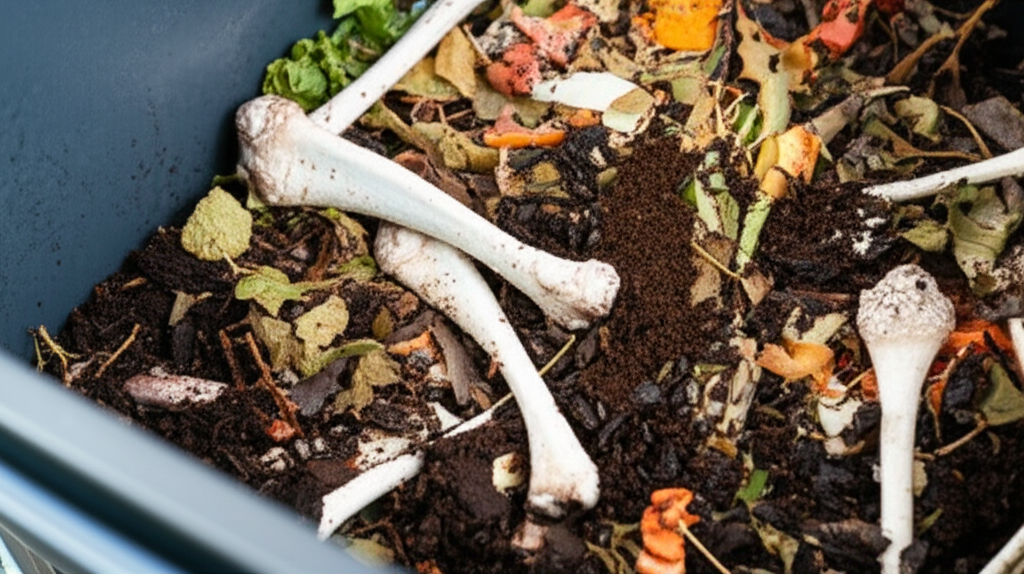
The main concerns surrounding chicken bones in compost are:
Attracting Pests: Bones, especially cooked ones with lingering meat or fat, can be very appealing to rodents, flies, and other unwanted visitors.
Slow Decomposition: Bones are dense and hard. While they can break down, it takes a considerable amount of time and specific conditions, like a very hot compost pile.
Potential for Odors: Improperly composted meat scraps and bones can create unpleasant smells.
Pathogens: Raw meat and bones can potentially harbor harmful bacteria. A hot compost pile is essential to kill these.
Are Chicken Bones Compostable: The Breakdown
So, to answer the core question directly: Yes, chicken bones are compostable. However, there are crucial distinctions and methods to ensure success.
Raw vs. Cooked Chicken Bones
This is perhaps the most significant factor.
Raw Chicken Bones: Generally considered more suitable for composting than cooked bones. They haven’t been subjected to high heat, which can harden them further. They are also less likely to have fatty residues that attract pests. However, raw meat products still carry a risk of pathogens.
Cooked Chicken Bones: These are more problematic. The cooking process can harden the bones, making them even more resistant to decomposition. More importantly, cooked bones often have residual meat, fat, and seasonings that are highly attractive to pests and can cause odors if not managed correctly.
The Role of Heat in Composting Bones
Bones will break down eventually, but the speed and efficiency depend heavily on the temperature of your compost pile.
Hot Composting: This method involves maintaining a compost pile at temperatures between 131°F and 160°F (55°C and 71°C). At these high temperatures, pathogens are killed, and the decomposition process is significantly accelerated. Bones can break down much more effectively in a well-managed hot compost system.
Cold Composting (Passive Composting): In a typical backyard compost bin that isn’t actively managed for heat, bones will take a very long time to decompose, potentially years. They might not break down fully, and the risk of attracting pests is much higher.
How to Compost Chicken Bones Safely and Effectively
If you’re keen on composting chicken bones, especially if you’re aiming for a hot compost system, here’s how to do it right.
Step 1: Preparation is Key
Before adding chicken bones to your compost, proper preparation is essential.
Remove Excess Meat and Fat: Scrape off as much meat and fat as possible. This reduces the attractiveness to pests and minimizes odors.
Consider Boiling or Baking: Some experienced composters suggest boiling or baking bones until they are brittle and then crushing them. This can speed up the breakdown process. However, this also means more fat and grease might be present.
Crush or Grind: This is a critical step! The smaller the pieces, the faster they will decompose. You can use a hammer, a meat grinder, or even a heavy-duty blender (ensure it’s thoroughly cleaned afterward). Aim for small fragments, not whole bones.
Step 2: Choose the Right Composting Method
As mentioned, the method you use significantly impacts success.
Hot Composting: This is the preferred method for animal products like chicken bones.
1. Build a Large Pile: Aim for a minimum size of 3x3x3 feet (or 1 cubic meter). This size helps the pile retain heat.
2. Layer Greens and Browns: Start with a layer of browns, then add your prepared chicken bones. Cover them thoroughly with a thick layer of greens and browns. The ratio of browns to greens should be roughly 2:1 or 3:1 by volume.
3. Maintain Moisture: The pile should be as damp as a wrung-out sponge.
4. Aerate: Turn the pile regularly (every few days to a week) to introduce oxygen, which is crucial for the thermophilic (heat-loving) bacteria.
5. Monitor Temperature: Use a compost thermometer to ensure the pile reaches and maintains hot temperatures (131-160°F).
Trench Composting / Burial: If you don’t have a hot compost system, a simple and effective method is to bury the bones directly in your garden soil.
1. Dig a Trench: Dig a hole at least 12 inches deep.
2. Place Bones: Put your prepared (crushed) chicken bones into the trench.
3. Cover Thoroughly: Cover the bones with at least 8-10 inches of soil. This depth is crucial to deter pests.
4. Choose Location Wisely: Bury them in an area of your garden that you won’t be digging up for a while, or in a less-trafficked area.
Step 3: What to Avoid
Adding Whole Bones: Never add whole chicken bones to any compost system. They will not break down effectively and are a magnet for pests.
Composting Bones with Heavy Seasonings or Sauces: Oily, greasy, or heavily seasoned bones can disrupt the compost ecosystem and attract pests.
Adding Bones to Cold or Slow Compost Piles: If your compost pile isn’t consistently hot, it’s best to avoid chicken bones to prevent pest issues and odors.
Overloading the Pile: Don’t add large quantities of bones at once. Introduce them gradually and ensure they are well-covered.
Alternatives to Composting Chicken Bones
If the thought of composting chicken bones still feels too daunting, or if you don’t have the right setup, there are other ways to manage them:
Disposal: The simplest option is to place them in your regular trash or garbage disposal.
Animal Feed (with caution): Some people feed bones to dogs, but this can be dangerous as they can splinter and cause choking or internal damage. It’s generally not recommended.
Bone Broth: If the bones are from cooking, you can make nutrient-rich bone broth for human consumption. This utilizes them fully before composting any remaining remnants.
Benefits of Composting Chicken Bones
When done correctly, composting chicken bones offers several advantages:
Nutrient Enrichment: Bones are rich in calcium and phosphorus, essential minerals for plant growth. When they break down, they release these nutrients into your compost, creating a super-charged fertilizer.
Waste Reduction: It diverts organic waste from landfills, contributing to a more sustainable lifestyle.
Soil Health: Adding compost improves soil structure, aeration, and water retention, leading to healthier plants.
When Are Bones Fully Decomposed?
It’s hard to give an exact timeline because it varies so much. In a well-managed hot compost pile, crushed chicken bones might be significantly softened or partially broken down within a few months. However, they will likely remain identifiable for much longer, possibly up to a year or more, depending on their size and the pile’s conditions.
In a cold compost pile or when buried, you might never see them fully disappear. They will soften and break down over time, but they won’t vanish quickly. The goal is for them to become incorporated into the soil matrix.
Resources for Composting
For those interested in learning more about composting, especially advanced techniques like hot composting, these resources can be incredibly helpful:
U.S. Environmental Protection Agency (EPA): The EPA provides comprehensive guides on composting, including information on managing food scraps and the science behind decomposition. You can find valuable insights on their composting page.
University Extension Offices: Many universities offer excellent resources on composting through their agricultural or extension programs. For example, searching for “[Your State] University Extension Composting” can yield local guides and expert advice. They often have detailed fact sheets on managing different types of organic waste.
Composting Council: Organizations like The Compost Council often have articles, forums, and local resources for composters.
Frequently Asked Questions About Composting Chicken Bones
Here are some common questions beginners have about composting chicken bones:
Can I compost chicken bones if my compost pile isn’t hot?
It’s generally not recommended. Bones in a cold compost pile will take a very long time to break down and can attract pests and cause odors. If your pile doesn’t consistently reach temperatures of 131°F (55°C) or higher, it’s best to avoid adding chicken bones or to use the burial method.
How small do chicken bones need to be to compost?
The smaller, the better! Crushing or grinding bones into small fragments, like gravel or sand, significantly speeds up the decomposition process. Avoid adding any bone larger than an inch, and ideally, aim for much smaller pieces.
Will composting chicken bones attract rats or other pests?
Yes, bones, especially those with residual meat, fat, or cooked seasonings, can attract pests. Proper preparation (removing meat, crushing) and either a hot compost system or deep burial are crucial to mitigate this risk.
What about chicken carcasses? Can I compost a whole chicken?
Composting a whole chicken carcass is similar to composting bones but requires even more careful management. It should only be done in a hot composting system, and the carcass should be buried deep within the pile, well-covered by greens and browns. For beginners, it’s often best to stick to just the bones after removing the meat.
How long does it take for chicken bones to break down in compost?
In a very hot, well-managed compost pile, crushed bones can start to soften and break down within a few months. However, they may remain recognizable for up to a year or longer. In cooler piles or when buried, decomposition will be much slower, potentially taking several years.
Can I put chicken bones in a worm bin (vermicomposting)?
No, chicken bones are not suitable for worm bins. Worms can be harmed by sharp fragments, and the bones will not break down effectively in a worm bin environment. Worm bins are best for softer vegetable and fruit scraps.
Comparing Composting Methods for Chicken Bones
To help you decide the best approach, here’s a comparison:
| Method | Pros | Cons | Best For |
|---|---|---|---|
| Hot Composting | Fastest decomposition, kills pathogens, deters pests (if managed well), produces high-quality compost. | Requires effort to maintain temperature, turning, and moisture; needs a larger compost bin. | Composters with active hot composting systems, those wanting to process animal products efficiently. |
| Trench Composting / Burial | Simple, low-effort, effective at deterring pests if buried deep enough, no specialized equipment needed. | Slow decomposition, bones may remain for a long time, requires garden space for burial. | Beginners, those with limited composting space or who don’t have a hot compost pile. |
| Cold Composting (General Backyard Bin) | Easy to set up. | Very slow decomposition of bones, high risk of attracting pests, potential for odors. | Generally not recommended for chicken bones. |
Putting it All Together: Your Composting Journey
Composting chicken bones is a step towards a more resourceful approach to managing kitchen waste. It’s about understanding the science and taking the right precautions. Remember, the key is preparation and managing your compost pile effectively.
If you’re just starting out, perhaps focus on mastering the basics with vegetable scraps and yard waste. Once you’re comfortable and perhaps have a more robust composting system, you can then experiment with adding prepared chicken bones. Even simpler, the burial method offers a way to utilize them without the complexities of a hot compost pile.
Every step you take in composting, no matter how small, contributes to a healthier planet and richer soil for your garden. You’ve got this! By following these guidelines, you can confidently decide if and how chicken bones fit into your composting routine, turning what might seem like a challenge into a valuable addition to your compost.
Conclusion
So, can chicken bones be composted? Absolutely! With the right approach, they can be a valuable addition to your compost, providing essential minerals like calcium and phosphorus to your soil. The most critical factors are preparation and the conditions within your compost pile. Opting for raw bones, removing excess meat and fat, and most importantly, crushing them into small pieces, are vital first steps.
For those who maintain a hot compost pile, incorporating prepared chicken bones can be highly effective, as the high temperatures help break them down more quickly and eliminate potential pathogens. If a hot compost system isn’t feasible, the simple method of trench composting or burying the prepared bones deep in your garden is an excellent alternative that still allows them to decompose naturally while deterring pests.
Ultimately, composting chicken bones is an achievable goal for the motivated gardener. It’s a testament to how we can recycle effectively and enrich our environment. By understanding the process and taking these simple, practical steps, you can confidently turn those kitchen scraps into garden gold. Happy composting!