Chicken is generally not bad for cancer patients and can be a nutritious part of their diet. It’s a good source of lean protein, essential for healing and maintaining strength during treatment. However, the way chicken is prepared and consumed is crucial. Focusing on healthy cooking methods and avoiding processed chicken products is key. Always consult with a doctor or registered dietitian for personalized dietary advice.
Navigating dietary choices during cancer treatment can feel overwhelming. Many people wonder about common foods, like chicken, and whether they are safe or even beneficial. It’s a common question, and finding clear, simple answers is important for feeling in control of your health. You want to make sure you’re fueling your body with the best possible nutrition. This guide will break down everything you need to know about chicken and cancer, making it easy to understand and follow. We’ll cover why chicken can be good, what to watch out for, and how to prepare it healthily. Let’s explore this together, step by step!
Understanding Protein and Cancer Treatment
Protein is a superhero nutrient, especially when you’re undergoing cancer treatment. Your body needs it for so many vital functions. It helps repair tissues, build new cells, and keep your immune system strong. This is super important because cancer itself and treatments like chemotherapy or radiation can weaken your body. Getting enough protein can help you maintain your strength, recover faster, and manage side effects.
Think of protein as the building blocks for your body. When you’re fighting cancer, your body is working overtime. It needs extra building blocks to repair damage and stay strong. This is where foods rich in protein, like chicken, come into play. They provide the essential amino acids your body craves to heal and function at its best.
Is Chicken a Good Choice for Cancer Patients?
So, is chicken a good choice? For most people, yes! Chicken is a fantastic source of lean protein. This means it provides a lot of protein without a lot of saturated fat. Lean protein is easier for your body to digest and absorb, which can be helpful when appetite or digestion is a concern.
Here’s why chicken often gets a thumbs-up:
- High-Quality Protein: Chicken contains all the essential amino acids your body needs.
- Lean Muscle Support: It helps maintain muscle mass, which can be lost during illness and treatment.
- Nutrient-Rich: It provides important vitamins and minerals like B vitamins (niacin, B6, B12) and minerals like selenium and phosphorus.
- Versatile: It can be prepared in many ways to suit different tastes and needs.
According to the National Cancer Institute, maintaining good nutrition is a key part of cancer care. They emphasize that a balanced diet, including adequate protein, can help patients cope with treatment. Foods like poultry (chicken and turkey) are often recommended as good protein sources.
Potential Concerns and What to Watch Out For
While chicken is generally beneficial, there are a few things to be mindful of:
1. Preparation Methods
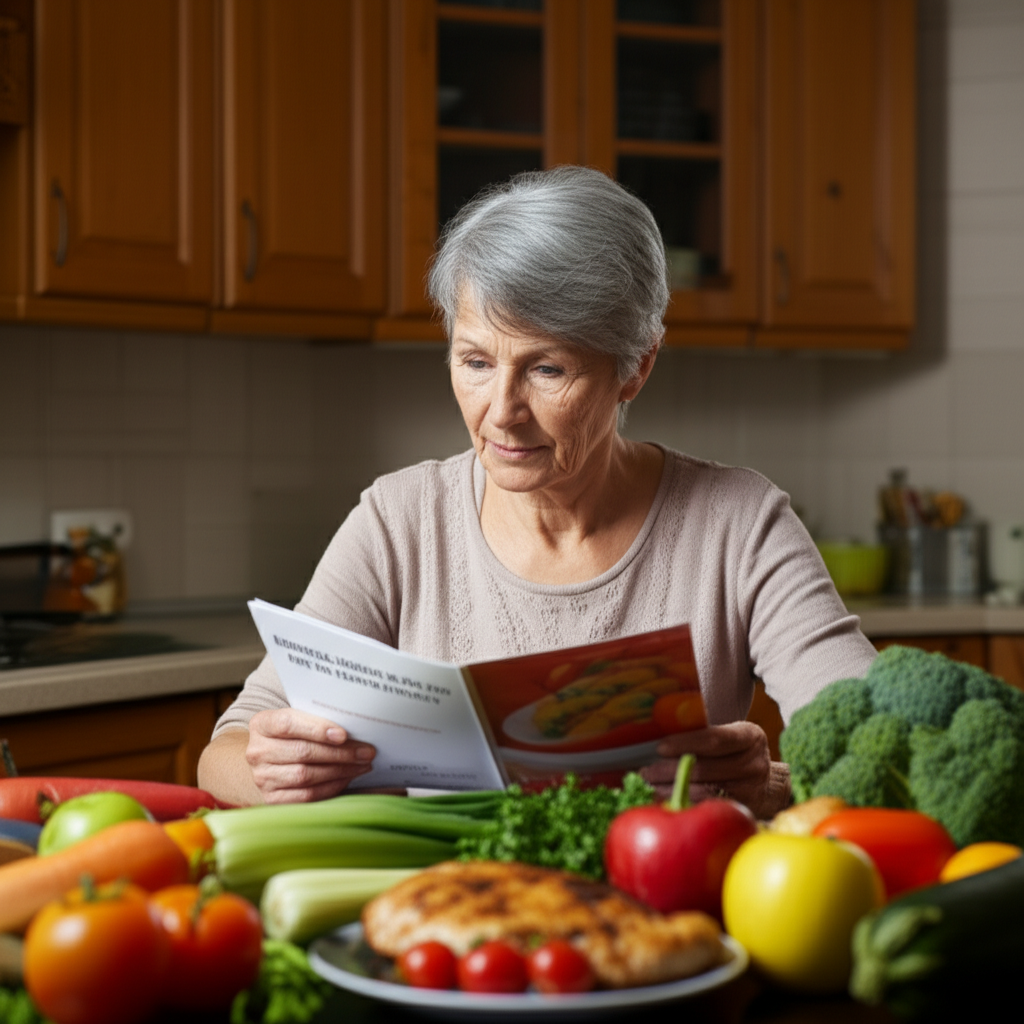
How you cook chicken matters a lot. Frying chicken can add a lot of unhealthy fats, which might not be ideal for everyone, especially if you’re experiencing digestive issues or weight changes. High-heat cooking methods like grilling or broiling can also create compounds that might be a concern over the long term. However, for most cancer patients, the immediate benefits of protein often outweigh these potential risks, especially if consumption is moderate and part of a balanced diet.
It’s best to avoid:
- Deep-frying: This adds excess fat and calories.
- Charring: Overly browned or charred chicken can contain heterocyclic amines (HCAs) and polycyclic aromatic hydrocarbons (PAHs), which are potential carcinogens. While the risk from moderate consumption is generally low, it’s good to be aware.
2. Processed Chicken Products
Processed chicken products, like chicken nuggets, hot dogs, deli meats, or chicken sausages, can be high in sodium, preservatives, and unhealthy fats. These might not be the best choices for someone undergoing cancer treatment. Opting for fresh, whole chicken is usually a safer bet.
Why steer clear of processed options?
- High Sodium: Can lead to fluid retention and blood pressure issues.
- Preservatives: Some individuals may be sensitive to them.
- Lower Nutritional Value: Often less protein and more fillers compared to whole chicken.
3. Food Safety
This is crucial for everyone, but especially for cancer patients whose immune systems might be weakened. Undercooked chicken can contain harmful bacteria like Salmonella. It’s vital to ensure chicken is cooked thoroughly to an internal temperature of 165°F (74°C) to kill any bacteria.
Always follow safe food handling practices:
- Wash your hands before and after handling raw chicken.
- Use separate cutting boards for raw chicken and other foods.
- Cook chicken until it’s no longer pink inside and juices run clear.
The Centers for Disease Control and Prevention (CDC) provides excellent resources on food safety, emphasizing proper cooking temperatures for poultry to prevent foodborne illnesses.
Healthier Ways to Prepare Chicken for Cancer Patients
The good news is that preparing chicken in a cancer-friendly way is simple and delicious! The goal is to retain its nutrients while making it easy to digest and appealing to eat.
Recommended Cooking Methods
Focus on moist heat methods or gentler dry heat methods:
- Baking/Roasting: This is a straightforward way to cook chicken. You can add herbs, spices, and a little bit of healthy oil for flavor and moisture.
- Poaching: Gently simmering chicken in water, broth, or other liquids keeps it incredibly moist and tender. This is excellent if you’re experiencing mouth sores or difficulty chewing.
- Steaming: Similar to poaching, steaming cooks chicken gently and retains moisture.
- Boiling: A simple method, especially for shredded chicken that can be added to soups or other dishes.
- Sautéing: Using a small amount of healthy oil over medium heat can quickly cook smaller pieces of chicken.
- Slow Cooking: A slow cooker can turn chicken into very tender, easily digestible pieces.
Flavorful & Nutritious Additions
Amp up the flavor and nutrition without adding unhealthy ingredients:
- Herbs and Spices: Basil, oregano, thyme, rosemary, garlic powder, onion powder, paprika, and turmeric are great choices.
- Broth or Stock: Use low-sodium chicken or vegetable broth for poaching, steaming, or adding moisture during baking.
- Lemon Juice or Zest: Adds brightness and flavor.
- Low-Sodium Sauces: Opt for homemade or low-sodium store-bought options.
Here’s a simple recipe idea:
Simple Baked Lemon Herb Chicken Breast
- Preheat oven to 375°F (190°C).
- Place boneless, skinless chicken breasts in a baking dish.
- Drizzle with a tablespoon of olive oil.
- Squeeze half a lemon over the chicken.
- Sprinkle with salt, pepper, garlic powder, and dried herbs like rosemary or thyme.
- Bake for 20-25 minutes, or until the internal temperature reaches 165°F (74°C).
This method keeps the chicken moist and flavorful, making it easy to eat and digest.
Chicken and Specific Cancer Treatment Side Effects
Cancer treatments can bring on various side effects that might influence dietary choices, including how you consume chicken.
Nausea and Vomiting
If you experience nausea, bland, easy-to-digest foods are best. Poached or steamed chicken breast, shredded and served plain or with a mild broth, can be a good option. Avoid strong smells, greasy foods, and spicy seasonings, which can worsen nausea. Small, frequent meals are often better tolerated than large ones.
Changes in Taste or Smell
Some treatments can alter your sense of taste, making foods taste metallic or bland. Experimenting with different herbs, spices, and marinades can help. Lemon, ginger, and mild sweetness can sometimes be appealing. Chicken cooked with fresh herbs or a light citrus marinade might be more palatable.
Mouth Sores or Difficulty Swallowing (Dysphagia)
For individuals with mouth sores or difficulty swallowing, very soft, moist textures are essential. Finely ground chicken, incorporated into soups, stews, or pureed dishes, can be easier to manage. Chicken salad made with a creamy, mild binder (like plain yogurt or avocado) and served on soft bread or crackers can also work.
Loss of Appetite or Early Satiety
When appetite is low, focusing on nutrient-dense foods is key. Chicken is a good source of protein and calories. Small portions of well-prepared chicken, perhaps incorporated into a favorite dish, can help you get the nutrients you need without feeling overly full. Consider adding chicken to smoothies (yes, it’s possible!) or soups for a nutrient boost.
Diarrhea or Constipation
If you have diarrhea, lean, easily digestible proteins like plain poached chicken are usually well-tolerated. Avoid fried or greasy preparations. If you are experiencing constipation, increasing fiber intake is important. While chicken itself isn’t high in fiber, pairing it with fiber-rich foods like cooked vegetables (carrots, zucchini) or whole grains can help.
Nutritional Comparison: Chicken vs. Other Protein Sources
It’s helpful to see how chicken stacks up against other protein sources commonly recommended for cancer patients. This can help you build a varied and balanced diet.
| Food Item | Protein (g) | Fat (g) | Key Nutrients |
|---|---|---|---|
| Chicken Breast (skinless, baked) | 26 | 3.6 | Niacin, Selenium, Phosphorus |
| Chicken Thigh (skinless, baked) | 24 | 10 | Iron, Zinc, B Vitamins |
| Salmon (baked) | 22 | 13 | Omega-3 Fatty Acids, Vitamin D, Selenium |
| Lean Ground Beef (90% lean, cooked) | 23 | 10 | Iron, Zinc, B12 |
| Lentils (cooked) | 18 | 0.8 | Fiber, Iron, Folate, Potassium |
| Tofu (firm, prepared) | 20 | 12 | Calcium, Iron, Magnesium |
As you can see, chicken breast is a particularly lean protein option. Salmon offers beneficial omega-3 fatty acids, which have anti-inflammatory properties that can be helpful. Plant-based proteins like lentils and tofu are also excellent choices, providing fiber and other essential nutrients that chicken doesn’t offer.
The best approach is often to include a variety of protein sources throughout the week, tailored to your specific needs and preferences. For instance, incorporating fish like salmon a couple of times a week alongside chicken and plant-based proteins can provide a broad spectrum of nutrients.
When to Talk to Your Healthcare Team
While this guide provides general information, it’s essential to remember that everyone’s situation is unique. Your cancer diagnosis, treatment plan, and individual health status all play a role in determining the best dietary approach for you.
Always consult with your oncologist, a registered dietitian (RD), or a nutritionist before making significant changes to your diet. They can provide personalized recommendations based on:
- Your specific type of cancer.
- The treatments you are receiving.
- Any side effects you are experiencing.
- Your overall nutritional status and any existing health conditions.
A registered dietitian can help you create a meal plan that ensures you’re getting enough protein, calories, and essential nutrients to support your body through treatment and recovery. They can also offer practical tips for managing appetite changes, nausea, or other dietary challenges.
The American Institute for Cancer Research (AICR) strongly recommends consulting with a registered dietitian for personalized nutrition advice during cancer treatment.
Frequently Asked Questions (FAQ)
Can cancer patients eat chicken skin?
Chicken skin is higher in fat, particularly saturated fat, compared to the meat itself. While moderate consumption might be acceptable for some, it’s generally recommended for cancer patients to remove the skin to reduce fat intake, especially if they are experiencing digestive issues or weight management challenges. Leaner options are usually preferred.
Is grilled chicken safe for cancer patients?
Yes, grilled chicken can be a safe and healthy option. However, it’s important to avoid charring or burning the chicken, as high-temperature cooking can create potentially harmful compounds. Grilling with marinades containing herbs and spices, and cooking over medium heat, is a good approach.
What if I have a weakened immune system? How should I prepare chicken?
If your immune system is weakened due to treatment, food safety is paramount. Always ensure chicken is cooked thoroughly to an internal temperature of 165°F (74°C) using a food thermometer. Wash hands and surfaces diligently, use separate cutting boards, and store cooked chicken properly. Moist cooking methods like poaching or steaming can also ensure even cooking and tenderness.
Can chicken help with weight loss during cancer treatment?
Chicken, particularly lean chicken breast, can be part of a weight management plan. Its high protein content can help with satiety, potentially reducing overall calorie intake. However, if unintended weight loss is a concern, focus on calorie-dense, nutrient-rich foods alongside lean protein sources. Consulting a dietitian is key here.
Are chicken soups good for cancer patients?
Yes, chicken soups can be very beneficial! They provide hydration, protein from the chicken, and can be easily fortified with vegetables and carbohydrates for energy. Opt for low-sodium broths and ensure the chicken is well-cooked. Soups are also excellent for managing nausea and providing nourishment when appetite is low.
What are the best lean protein alternatives to chicken?
Excellent lean protein alternatives include turkey breast, fish (like cod, tilapia, salmon), eggs, Greek yogurt, cottage cheese, beans, lentils, and tofu. These offer a variety of nutrients and can help diversify your diet.
Conclusion
Navigating your diet during cancer treatment is a journey, and understanding the role of foods like chicken is a valuable step. As we’ve explored, chicken is a highly nutritious food, rich in protein that your body needs to heal and stay strong. By focusing on lean cuts, employing healthy cooking methods like baking, poaching, or steaming, and being mindful of food safety, chicken can be a comforting and beneficial part of your meal plan.
Remember to listen to your body and consult with your healthcare team, especially a registered dietitian. They are your best resource for personalized advice tailored to your unique needs and treatment journey. With informed choices and a focus on nourishing your body, you can confidently incorporate chicken and other healthy foods to support your well-being. Keep taking those small, positive steps forward – you’ve got this!