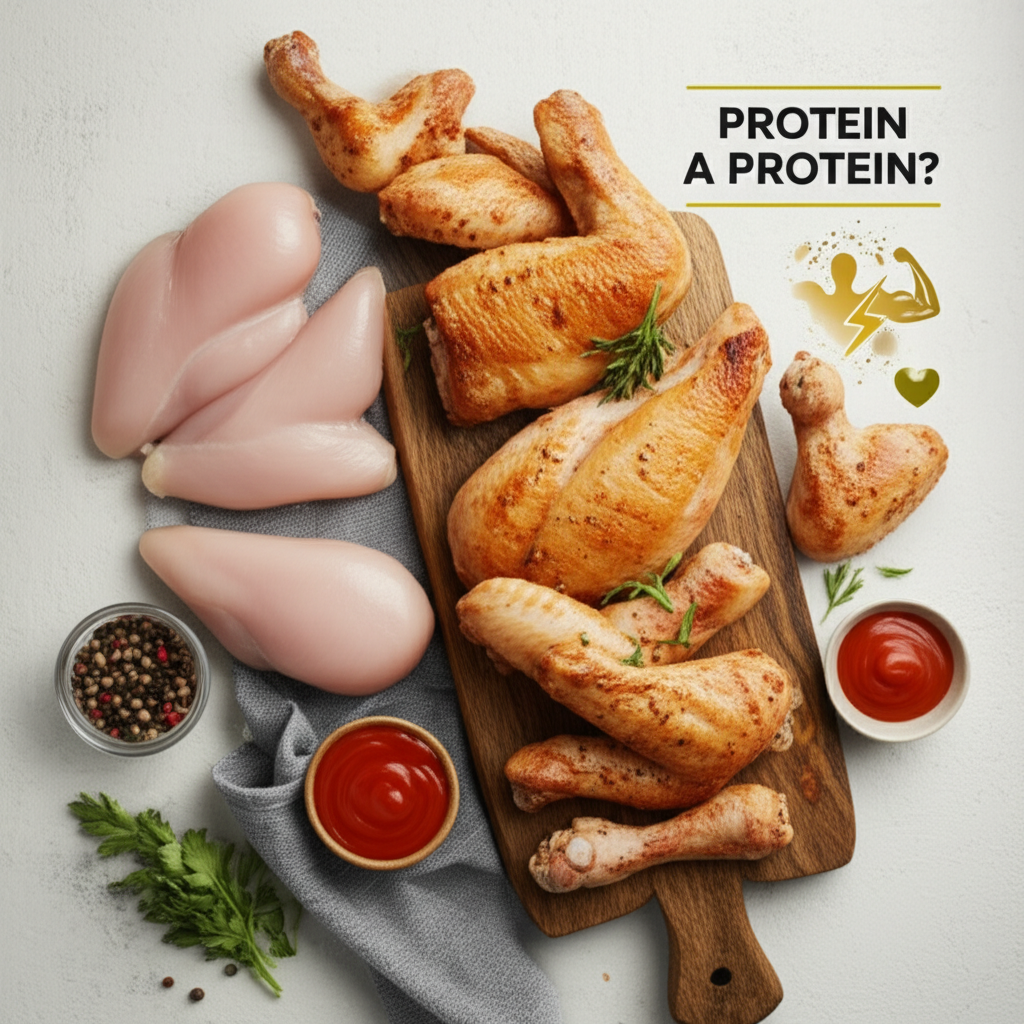

Are Chicken a Protein? Proven Essential Benefits
Quick Summary: Yes, chicken is an excellent source of protein! It’s packed with essential amino acids, crucial for building and repairing tissues, boosting immunity, and supporting overall health. This guide explains chicken’s protein benefits and how to incorporate it into your diet.
Many people wonder about the nutritional value of chicken. Is it really a good source of protein? The answer is a resounding yes! This simple guide will clear up any confusion and show you exactly why chicken is such a fantastic choice. We’ll explore the essential benefits and how to easily add more chicken to your meals.
Understanding Protein and Its Importance
Protein is a vital macronutrient, meaning our bodies need it in large amounts. Think of it as the building block for almost everything! It helps build and repair tissues, including muscles, skin, and hair. It also plays a crucial role in making enzymes and hormones.
Getting enough protein is essential for:
- Muscle growth and repair: Protein fuels muscle development after exercise.
- Stronger immune system: Antibodies, which fight off infection, are proteins.
- Healthy skin, hair, and nails: Protein provides the building blocks for strong and healthy tissues.
- Energy production: While carbohydrates and fats are primary energy sources, protein also contributes.
Why Chicken Is a Superior Protein Source
Chicken shines as a protein source because it’s a complete protein. This means it contains all nine essential amino acids. Our bodies can’t make these amino acids, so we must get them from our food. Chicken provides them all in the right amounts.
Here’s a comparison of chicken’s protein content with other common sources:
| Food | Protein per 3-ounce serving (grams) |
|---|---|
| Chicken Breast | 26-30 |
| Beef (lean) | 22-25 |
| Salmon | 22-25 |
| Eggs | 6-7 |
| Beans (1 cup) | 15-20 |
As you can see, chicken breast offers a high concentration of protein per serving, making it an efficient way to meet your daily protein needs.
The Amazing Benefits of Chicken Protein
Beyond simply being a complete protein, chicken offers a wealth of additional benefits:
- Lean protein source: Chicken breast is particularly low in fat, making it ideal for weight management.
- High in essential nutrients: Chicken is a good source of niacin, selenium, and vitamin B6.
- Versatile and delicious: It can be prepared in countless ways, making it easy to incorporate into your diet.
- Affordable and readily available: Chicken is generally less expensive than other protein sources like beef or fish.
How Much Chicken Protein Do You Need?
The amount of protein you need depends on several factors, including your age, activity level, and overall health. Consult a doctor or registered dietitian for personalized advice. However, general recommendations suggest that adults need at least 0.8 grams of protein per kilogram of body weight. This translates to roughly 50-75 grams of protein per day for most adults.
The USDA provides excellent dietary guidelines: https://www.myplate.gov/
Incorporating Chicken into Your Diet
Adding chicken to your diet is easier than you think. Here are some simple tips:
- Grilled chicken salad: A quick and healthy lunch or dinner option.
- Chicken stir-fry: A flavorful and customizable meal.
- Chicken soup: Comforting and packed with nutrients.
- Chicken tacos: A fun and satisfying meal.
- Chicken and vegetable skewers: Perfect for grilling or baking.
Remember, variety is key. Experiment with different cooking methods and recipes to keep things interesting and avoid boredom.
Understanding Chicken Types and Nutritional Differences
Not all chicken is created equal. Different cuts have varying levels of fat and protein. Here’s a quick overview:
| Chicken Cut | Protein (grams per 3 oz) | Fat (grams per 3 oz) |
|---|---|---|
| Breast (skinless) | 26-30 | 3-5 |
| Thigh (skinless) | 20-22 | 7-9 |
| Drumstick (skinless) | 18-20 | 6-8 |
| Wing (skinless) | 15-18 | 5-7 |
Skinless chicken is generally the leaner option, but thighs and drumsticks can provide flavor and added nutrients.
Potential Downsides and Considerations
While chicken is generally healthy, there are a few points to consider:
- Foodborne illnesses: Proper cooking is crucial to avoid illnesses like salmonella. Ensure chicken is cooked to an internal temperature of 165°F (74°C).
- Sodium content: Processed chicken products often contain high levels of sodium. Opt for fresh or minimally processed chicken.
- Allergies: Chicken allergies are rare, but they do exist. If you suspect an allergy, consult an allergist.
- Antibiotic use: Some commercially raised chickens are given antibiotics. Look for organic or antibiotic-free options if you’re concerned.
The information provided by the USDA on safe food handling practices is extremely valuable: https://www.fsis.usda.gov/food-safety/safe-food-handling-and-preparation
FAQ: Your Chicken Protein Questions Answered
Q: Is chicken better than other protein sources?
A: Chicken is an excellent protein source, but it’s not necessarily “better” than others. The best protein source depends on your individual needs and preferences. Variety is key for optimal nutrition.
Q: How can I tell if my chicken is cooked thoroughly?
A: Use a food thermometer to ensure the internal temperature reaches 165°F (74°C). The juices should run clear, and the meat should be opaque.
Q: Can I eat chicken every day?
A: You can, but a varied diet is always best. Include other protein sources like fish, beans, and lentils for a balanced nutritional intake.
Q: Is dark chicken meat healthier than white meat?
A: Both offer nutritional benefits. Dark meat has slightly more fat and calories but also more iron and certain B vitamins. White meat (breast) is leaner.
Q: How can I make chicken less boring?
A: Experiment with different marinades, spices, and cooking methods! Try grilling, baking, stir-frying, or slow cooking.
Q: What are some good substitutes for chicken if I’m looking for other protein sources?
A: Fish, beans, lentils, tofu, eggs, and nuts are all great alternatives.
Q: Is organic chicken healthier than conventionally raised chicken?
A: Organic chicken is raised without antibiotics or hormones. Whether it’s “healthier” is debatable, but it might be a preference for some.
Conclusion: Embrace the Power of Chicken Protein
Chicken is a powerhouse of protein, offering a wide array of health benefits. From building muscle to boosting immunity, incorporating chicken into your diet can significantly contribute to your overall well-being. Remember to choose lean cuts, cook it safely, and experiment with different recipes to make it a delicious and enjoyable part of your healthy lifestyle. You’ve got this!