

Are Antibiotics Bad for Chicken? Proven Dangers
Quick Summary: Antibiotics, while sometimes necessary for treating sick chickens, can have serious drawbacks. Improper use leads to antibiotic resistance, harming both chicken health and human safety. This guide explains the risks and offers ways to minimize them.
Raising chickens can be rewarding! But keeping them healthy is crucial. Antibiotics are powerful medicines. They can help sick birds recover. However, using them incorrectly can create serious problems. This guide will show you the risks. We’ll explore safer ways to care for your flock. Let’s get started!
Understanding the Risks of Antibiotics in Chickens
Antibiotics are designed to fight bacterial infections. They work by killing or stopping the growth of bacteria. When used correctly, they can save a sick chicken’s life. However, overuse or misuse can lead to several serious problems.
Antibiotic Resistance: A Growing Threat
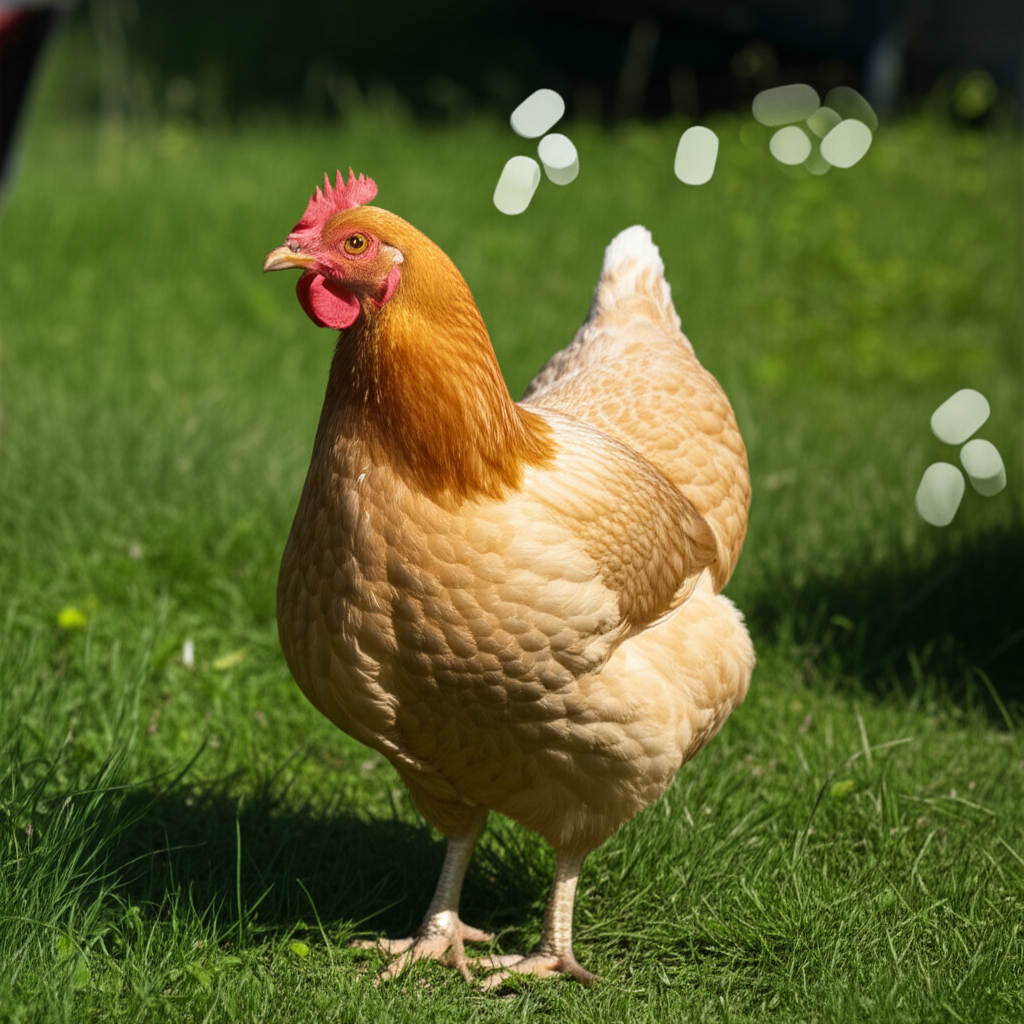
The biggest risk of using antibiotics in chickens is the development of antibiotic resistance. This means bacteria evolve to become resistant to the antibiotics designed to kill them. This makes treating infections in both chickens and humans much more difficult, sometimes impossible. The overuse of antibiotics in agriculture is a major contributor to this global health crisis. Learn more from the CDC about antibiotic resistance.
Impact on Chicken Health
While antibiotics can treat bacterial infections, they can also disrupt the delicate balance of the chicken’s gut microbiome. This microbiome is essential for proper digestion, nutrient absorption, and immune function. Disrupting it can lead to:
- Digestive issues
- Weakened immune system
- Increased susceptibility to other diseases
Moreover, some antibiotics can have direct toxic effects on chickens, particularly if used incorrectly or in excessive doses. Always follow the instructions on the label carefully.
Potential Human Health Risks
Antibiotic resistance developed in chickens can easily spread to humans through various means, such as direct contact with infected birds, consumption of contaminated meat, or contact with contaminated environments. This poses a significant threat to public health.
Alternatives to Antibiotics for Healthy Chickens
Fortunately, there are many ways to keep your chickens healthy without relying on antibiotics. These strategies focus on prevention and holistic care:
Preventive Measures
- Proper sanitation: Regularly clean and disinfect the coop and surrounding areas. Remove manure and soiled bedding promptly.
- Biosecurity: Implement strict biosecurity measures to prevent the introduction of diseases. This includes quarantine for new birds, limiting visitor access, and avoiding contact with wild birds.
- Balanced diet: Feed your chickens a high-quality, balanced diet that provides all the necessary nutrients for a strong immune system. This includes sufficient protein, vitamins, and minerals.
- Stress reduction: Minimize stress factors for your flock. This includes providing ample space, shade, and fresh water, and avoiding overcrowding.
- Regular health checks: Regularly inspect your chickens for signs of illness or injury. Early detection and treatment can prevent more serious problems.
Holistic Approaches
- Probiotics: Probiotics can help maintain a healthy gut microbiome. They are beneficial bacteria that compete with harmful bacteria, reducing the risk of infection.
- Herbal remedies: Certain herbs have antibacterial and immune-boosting properties. These can be used to support your chickens’ health, but consult with a veterinarian before using them.
- Essential oils: Some essential oils possess antimicrobial properties, which can help create a healthier environment. However, use them cautiously and always dilute them properly.
When Antibiotics Are Necessary
Despite the risks, there are times when antibiotics are necessary to treat severe bacterial infections in chickens. However, it’s crucial to use them responsibly and under veterinary guidance.
Veterinary Consultation
Never administer antibiotics to your chickens without consulting a veterinarian. They can diagnose the illness, determine the appropriate antibiotic, and prescribe the correct dosage and treatment duration. This ensures you’re using antibiotics safely and effectively.
Proper Administration
Follow your veterinarian’s instructions precisely. Administer the medication correctly, using the prescribed dosage and route of administration. This helps prevent resistance and ensures your chickens receive the best possible care.
Complete Treatment Course
Always complete the full course of antibiotics prescribed by your veterinarian, even if your chickens appear to be recovering. Stopping treatment early can lead to antibiotic resistance and a relapse of the infection.
Monitoring Your Chickens
Regular monitoring is essential, even after treatment with antibiotics. Observe your chickens closely for any signs of illness or relapse. Contact your veterinarian immediately if you notice any concerns.
Table: Comparing Antibiotics and Natural Alternatives
| Method | Effectiveness | Risks | Cost |
|---|---|---|---|
| Antibiotics | High for bacterial infections | Antibiotic resistance, gut microbiome disruption, potential toxicity | Moderate to high |
| Probiotics | Moderate for gut health, prevention | Generally low | Low to moderate |
| Herbal remedies | Variable, depends on the herb and condition | Potential for interactions with other medications | Low to moderate |
| Improved sanitation | High for prevention | Low | Low |
Table: Signs of Illness in Chickens
| Symptom | Possible Causes | Action |
|---|---|---|
| Lethargy | Various illnesses, stress | Observe closely, contact vet if persistent |
| Loss of appetite | Illness, stress, parasites | Observe closely, contact vet if persistent |
| Respiratory distress | Respiratory infections, mycoplasmosis | Contact vet immediately |
| Diarrhea | Various intestinal infections, parasites | Observe closely, contact vet if persistent |
| Swollen joints | Infectious arthritis | Contact vet immediately |
Frequently Asked Questions
Q: Can I use human antibiotics on my chickens?
No. Human antibiotics are not formulated for chickens and may not be effective or safe. Always consult a veterinarian for appropriate medication.
Q: How long does it take for antibiotics to work in chickens?
This varies depending on the antibiotic, the infection, and the chicken’s overall health. You should see improvement within a few days, but complete the full course of treatment as directed.
Q: What are the signs of antibiotic resistance in my chickens?
If antibiotics aren’t working after a few days, or if the infection returns, it may indicate resistance. Consult your veterinarian immediately.
Q: Are there any over-the-counter medications I can give my chickens?
No. It is best to consult a veterinarian for any illness in your chickens to avoid potential harm and ensure appropriate treatment.
Q: How can I prevent antibiotic resistance in my flock?
Use antibiotics only when necessary and under veterinary supervision. Focus on preventative measures like good sanitation and a healthy diet.
Q: My chicken is sick. What should I do first?
Isolate the sick chicken. Observe it closely for symptoms. Contact your veterinarian as soon as possible for diagnosis and treatment options.
Q: Where can I find a veterinarian specializing in poultry?
Your local veterinary clinic may have recommendations or you can search online for “avian veterinarian” or “poultry veterinarian” in your area. The American Veterinary Medical Association website may also be a helpful resource.
Conclusion
Keeping your chickens healthy involves a holistic approach. While antibiotics can be a necessary tool in treating severe bacterial infections, they should be used judiciously and under veterinary guidance. Prioritizing preventative measures, promoting a healthy environment, and utilizing natural alternatives whenever possible are crucial for building a strong, resilient flock and protecting both your birds and yourself from the dangers of antibiotic resistance. Remember, a healthy chicken is a happy chicken!