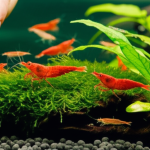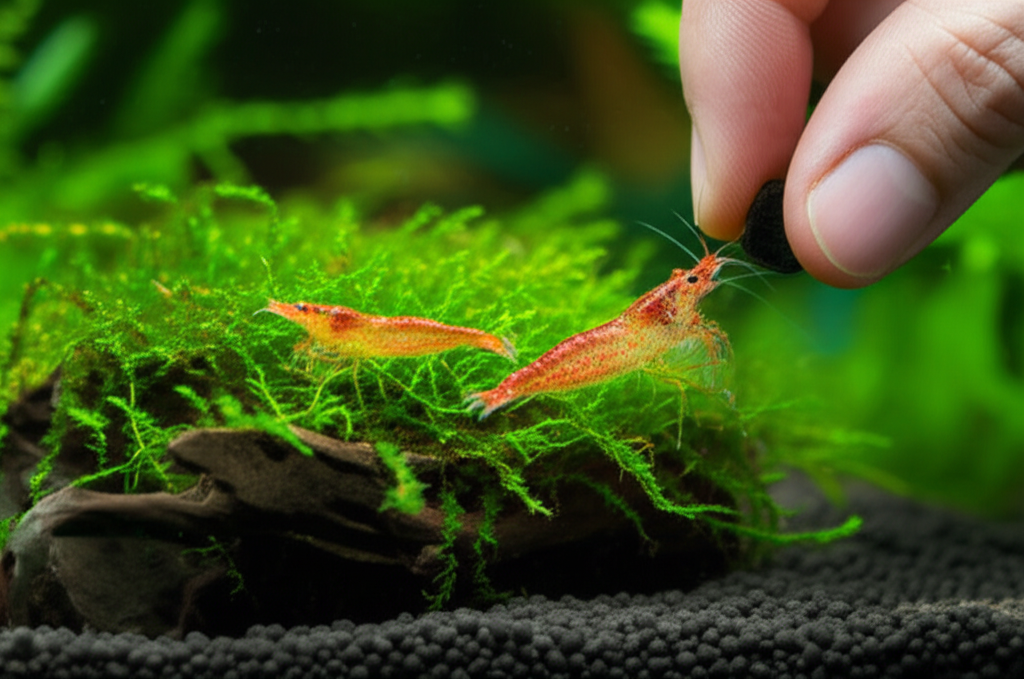

Are Amano Shrimp Nocturnal? Yes, largely! Amano shrimp are primarily most active during low-light periods and at night, though they can be seen foraging during the day, especially when hungry or in a stable environment. Understanding their activity patterns helps you appreciate their natural behaviors and ensure a thriving aquarium.
Ever find yourself staring into your aquarium, wondering where all your Amano shrimp have gone? You might see them darting around at dawn or dusk, but during the day, they can seem to vanish into thin air! It’s a common question among new shrimp keepers: are Amano shrimp nocturnal? The short answer is yes, they tend to be more active when the lights are dim or off. This can be a bit puzzling when you’re excited to watch your new pets. But don’t worry, understanding their natural behaviors is key to a happy shrimp tank. This guide will break down exactly when your Amano shrimp are most likely to be active and what influences their daily routines. Get ready to become an Amano shrimp activity expert!
Understanding Amano Shrimp Activity Patterns
Amano shrimp, scientifically known as Caridina multidentata, are fascinating creatures with unique activity cycles. While they aren’t strictly “night owls” in the way some land animals are, their behavior is heavily influenced by light. This means they often appear more active during periods of low light, which typically includes early morning, late evening, and throughout the night.
Think of it like this: when the aquarium lights are bright and direct, Amano shrimp often seek out sheltered spots. This might be among plants, under driftwood, or in small crevices. This is a natural defense mechanism. In the wild, many small creatures are more vulnerable to predators in bright light. By being less visible during the day, they increase their chances of survival.
However, this doesn’t mean they sleep all day! Amano shrimp are opportunistic foragers. If food is readily available, or if their environment feels safe and secure, you’ll likely see them out and about, even when the lights are on. Their activity is a spectrum, not a strict on/off switch.
Why the Confusion?
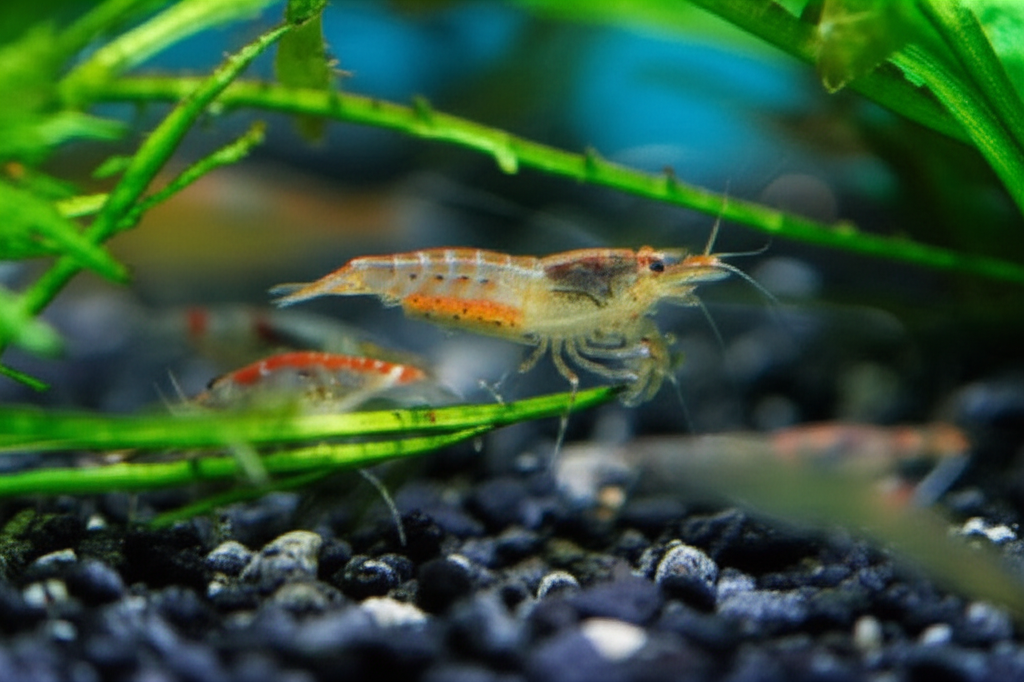
The main reason for the confusion is that most hobbyists observe their tanks when the aquarium lights are on. If your Amano shrimp are hiding during these peak viewing hours, it’s easy to assume they’re inactive or even unhealthy. This guide aims to clear up that confusion and help you appreciate your Amano shrimp’s natural rhythm.
Are Amano Shrimp Truly Nocturnal? The Science Behind Their Behavior
The term “nocturnal” generally refers to animals that are primarily active at night. While Amano shrimp fit this description to a degree, it’s more accurate to say they are crepuscular and nocturnal.
Crepuscular: This means they are most active during twilight hours – dawn and dusk. These are periods of low light, offering a good balance between visibility for foraging and reduced risk from predators.
Nocturnal: They also exhibit significant activity during the night, when complete darkness prevails.
Their activity is driven by several factors:
Food Availability: In the wild, Amano shrimp often scavenge for food that becomes available during low-light periods. This includes detritus, algae, and microorganisms.
Predator Avoidance: Bright light can make them more visible to potential predators in their natural habitat. By staying hidden during the day, they minimize this risk.
Water Parameters: While not directly related to time of day, stable water parameters are crucial for overall shrimp health and activity levels. Fluctuations can make them more reclusive.
Let’s look at a simplified comparison of their activity levels:
| Time of Day | Light Level | Typical Amano Shrimp Activity |
| :———- | :———- | :—————————- |
| Daytime | Bright | Low to moderate (foraging if safe) |
| Dawn | Dimming | Moderate to High |
| Dusk | Brightening | Moderate to High |
| Nighttime | Dark | High |
This table highlights that while they aren’t exclusively active at night, their peak activity generally occurs when light levels are low.
Observing Your Amano Shrimp: Tips for Success
To truly appreciate your Amano shrimp, you need to adjust your observation habits. Instead of relying solely on peak daylight hours, try observing your tank during these times:
1. Early Morning: Before you turn on your main aquarium lights, take a moment to look. You might be surprised by the activity you see!
2. Late Evening: Just before turning off the lights, or even with the room lights dimmed, spend a few minutes watching.
3. Night Vision: If you have a dim night light or can observe with minimal ambient light, you’ll likely see a lot of Amano shrimp activity. Some aquarists use small, low-wattage blue or red LED lights specifically for nighttime viewing, as these wavelengths are less disruptive to the shrimp.
What Influences Their Activity?
Several factors can influence how active your Amano shrimp are, regardless of the time of day:
Food: If your shrimp are hungry, they will forage more actively, even in brighter light. Overfeeding can lead to less active shrimp, as they won’t need to search for food. Underfeeding can cause them to become desperate and stressed.
Tank Environment: A well-established tank with plenty of hiding places (plants, wood, rocks) makes shrimp feel secure. This security can encourage them to be more active, even during the day. A barren tank can make them feel exposed and stressed, leading to more hiding.
Tank Mates: Aggressive or predatory tank mates can significantly impact Amano shrimp activity. If they feel threatened, they will hide more.
Water Quality: Poor water quality is a major stressor and will lead to lethargic or hiding behavior.
Lighting Intensity and Duration: Very bright or prolonged lighting can stress shrimp and encourage hiding. Conversely, too little light might not stimulate algae growth, which is a food source for them.
Amano Shrimp Diet and Foraging Habits
Amano shrimp are renowned for their algae-eating capabilities. This is a primary reason many aquarists keep them. Their foraging behavior is directly linked to their diet.
When observing your Amano shrimp, you’ll often see them:
Grazing on surfaces: They use their specialized mouthparts to scrape algae off glass, rocks, and driftwood.
Picking through substrate: They sift through the gravel or sand, looking for tiny food particles and detritus.
Exploring plants: They’ll meticulously clean the surfaces of plant leaves.
Their diet in a home aquarium typically consists of:
Algae: This is their specialty! They are excellent at consuming various types of algae, including brown diatoms and green film algae.
Detritus: They will happily consume decaying organic matter.
Leftover food: Any uneaten fish food or sinking pellets that reach the substrate can be a food source.
Sinking pellets/wafers: Specially formulated shrimp foods or small sinking pellets designed for bottom feeders are excellent supplements.
A balanced diet ensures they are healthy and active. If your tank has an algae bloom, you’ll likely see your Amano shrimp working overtime!
Creating an Ideal Environment for Active Amano Shrimp
To encourage your Amano shrimp to be more visible and active, focus on creating a stable and enriching environment.
1. Tank Setup Essentials
Plenty of Hiding Places: This is crucial for their sense of security.
Live Plants: Java moss, Anubias, Java fern, and stem plants provide ample hiding spots and surfaces for grazing.
Driftwood and Rocks: These create nooks and crannies. Ensure they are aquarium-safe.
Shrimp Tubes/Pipes: Small ceramic or PVC tubes can offer dedicated shelters.
Substrate: A fine-grained substrate like sand or fine gravel is ideal. It allows them to forage and is easy to keep clean.
Filtration: A gentle filter is essential. Sponge filters are highly recommended for shrimp tanks because they are safe for baby shrimp and provide biological filtration. Ensure the filter intake is covered with a pre-filter sponge to prevent shrimp from getting sucked in. You can find these at reputable aquarium supply stores. For example, Fluval’s edge pre-filter sponges are often used.
2. Lighting Considerations
Moderate Lighting: Avoid overly bright, direct lighting. A moderate LED aquarium light is usually sufficient.
Photoperiod: Aim for a consistent lighting schedule, typically 8-10 hours per day. This helps regulate their natural cycles. Consider using a timer for consistency.
3. Water Parameters and Stability
Amano shrimp are sensitive to water quality. Maintaining stable parameters is paramount.
Temperature: 72-78°F (22-26°C)
pH: 6.5-7.5
GH (General Hardness): 6-10 dGH
KH (Carbonate Hardness): 2-6 dKH
Ammonia, Nitrite: 0 ppm
Nitrate: < 20 ppm
Regular water changes (10-20% weekly) are key to maintaining these parameters. Always use a dechlorinator like Seachem Prime, which also detoxifies ammonia and nitrite temporarily.
4. Tank Mates
Choosing compatible tank mates is vital. Amano shrimp do best with peaceful, small fish that won’t harass them.
Good Tank Mates: Small tetras (like Ember Tetras), small rasboras (like Chili Rasboras), Endler’s Livebearers, and peaceful snails.
Avoid: Larger fish, aggressive fish, or fish known to nip at shrimp (like some barbs or bettas).
5. Feeding Your Amano Shrimp
Supplement their natural grazing with high-quality foods.
Shrimp-specific pellets/wafers: Look for brands like Shirakura, Mosura, or Hikari.
Blanched vegetables: Occasionally offer blanched spinach, zucchini, or kale.
Algae wafers: Can be given sparingly.
Feed small amounts every 2-3 days, removing any uneaten food within a few hours to prevent water fouling.
When to Worry: Signs of Unhealthy or Stressed Amano Shrimp
While Amano shrimp are generally hardy, certain behaviors can indicate a problem. If your shrimp are consistently inactive, lethargic, or hiding excessively, consider these possibilities:
Poor Water Quality: This is the most common culprit. Test your water parameters immediately.
Stress from Tank Mates: Aggressive fish can cause constant stress.
Inadequate Hiding Places: If they feel exposed, they will hide more.
Sudden Temperature or Parameter Shifts: Even slight changes can shock them.
Lack of Food: Malnourished shrimp will be weak and inactive.
Molting Issues: Sometimes, issues with molting can cause temporary inactivity. Ensure adequate minerals in the water.
If you notice any of these signs, address the potential cause immediately. A stable, clean, and safe environment is the best medicine for your Amano shrimp.
Amano Shrimp vs. Other Shrimp Species: Activity Differences
It’s interesting to note how Amano shrimp compare to other popular dwarf shrimp species like Cherry Shrimp (Neocaridina davidi).
| Feature | Amano Shrimp (Caridina multidentata) | Cherry Shrimp (Neocaridina davidi) |
| :————— | :———————————– | :———————————– |
| Primary Activity | Crepuscular & Nocturnal | Diurnal (most active during the day) |
| Light Sensitivity | More sensitive; prefer low light | Less sensitive; active in light |
| Foraging Style | Grazers, scavengers | Grazers, scavengers |
| Hiding Tendency| Tend to hide more in bright light | Generally more out in the open |
| Tank Mates | Can cohabitate with small, peaceful fish | Best kept in species-only tanks or with other Neocaridina |
| Water Needs | Slightly softer water preferred | More adaptable to tap water |
This table highlights a key difference: Amano shrimp are naturally more inclined to be active when lights are dim or off, whereas Cherry Shrimp are often seen actively exploring their tank during the day. This difference in activity patterns is a significant factor when planning your aquarium and deciding when you’ll get the best view of your shrimp.
Frequently Asked Questions About Amano Shrimp Activity
Here are some common questions beginner aquarists have about Amano shrimp and their activity:
Q1: Why are my Amano shrimp hiding all the time?
Amano shrimp are naturally more active during low-light periods (dawn, dusk, night) and tend to hide in brighter light for safety. If they are hiding excessively during the day, ensure they have plenty of hiding places like plants and driftwood, and check that your tank mates are peaceful. Also, verify your water parameters are stable and within the ideal range.
Q2: Can I see my Amano shrimp during the day?
Yes, you can! If your tank environment is secure and they are well-fed, you will often see Amano shrimp foraging on surfaces like glass, plants, and decorations even when the lights are on. Try observing them during early morning or late evening for more activity.
Q3: What time of day are Amano shrimp most active?
Amano shrimp are most active during twilight hours (dawn and dusk) and at night. They are considered crepuscular and nocturnal, meaning they prefer periods of low light for their main foraging and exploration activities.
Q4: Is it normal for Amano shrimp to be inactive?
Some inactivity, especially during peak daylight hours, is normal. However, if your Amano shrimp are constantly lethargic, not moving much even during low-light periods, or seem stuck in one place, it could indicate a problem with water quality, stress, or illness. Always check your water parameters first.
Q5: Do Amano shrimp need a night light?
No, Amano shrimp do not need a night light. They are adapted to complete darkness at night. However, a very dim, low-wattage blue or red LED light can be used if you wish to observe them at night without disturbing their natural cycles or making them feel unsafe. Avoid bright lights at night.
Q6: How much should I feed my Amano shrimp?
Feed Amano shrimp sparingly, about every 2-3 days. They are excellent scavengers and algae eaters. Offer small amounts of high-quality shrimp pellets, wafers, or blanched vegetables. Remove any uneaten food within a few hours to prevent fouling the water, as overfeeding can lead to inactivity and water quality issues.
Q7: What’s the difference in activity between Amano and Cherry Shrimp?
The main difference is that Amano shrimp are more active during low-light periods and at night (crepuscular/nocturnal), while Cherry Shrimp are typically more active during the day (diurnal). This means you’ll usually see Cherry Shrimp out and about more often during standard viewing hours.
Conclusion: Appreciating the Rhythms of Your Amano Shrimp
So, are Amano shrimp nocturnal? Yes, they lean heavily towards being active during low-light and dark periods, making them primarily crepuscular and nocturnal. This natural behavior pattern is a fascinating aspect of their care. Understanding that they might be hiding during your prime viewing hours can save you a lot of worry.
By providing a secure environment with plenty of hiding spots, maintaining excellent water quality, and offering a balanced diet, you can encourage your Amano shrimp to be as active as their natural instincts allow. Observe them during dawn, dusk, and even into the night, and you’ll be rewarded with glimpses of these industrious and captivating crustaceans at their most energetic. Keep up the great work, and enjoy the thriving, active community in your aquarium!