



Have you ever wanted to cook restaurant-quality meals at home without the guesswork? Using a sous vide cooker can help you do just that.
It’s a simple tool that locks in flavor and cooks your food perfectly every time. Whether you’re a beginner or just curious, this guide will show you exactly how to use your sous vide cooker to impress your taste buds and save time.
Keep reading, and you’ll discover tips and tricks that make cooking easier and more enjoyable than ever before.
Choosing The Right Sous Vide Cooker
Choosing the right sous vide cooker matters a lot for your cooking success. The right device fits your kitchen style and meets your cooking needs. It makes cooking easier and more enjoyable. Understanding the types and features helps you pick the best one.
Types Of Sous Vide Devices
Sous vide devices mainly come in two types: immersion circulators and water ovens. Immersion circulators attach to pots and heat water precisely. They are compact and easy to store. Water ovens are all-in-one units with built-in water containers. They offer more water capacity but take more space.
Key Features To Consider
Look for temperature range and accuracy. Good sous vide cookers maintain steady heat within one degree. Water capacity matters for the amount you cook at once. Check for easy controls like digital screens or smartphone apps. Safety features such as automatic shut-off add peace of mind.
Budget Vs. Performance
Higher price often means better temperature control and build quality. Budget models work well for beginners or occasional use. Mid-range devices balance cost and features. Think about how often you will cook sous vide before spending. Choose a device that fits your cooking habits and wallet.
Credit: pneumasolutions.com
Essential Equipment And Tools
Using a sous vide cooker needs some specific tools. These tools help cook food evenly and keep flavors locked in. Knowing what equipment to have makes cooking easier and more precise.
Vacuum Sealers And Bags
Vacuum sealers remove air from bags to keep food fresh. They help stop water from reaching the food during cooking. Seal bags tightly to avoid leaks and keep flavors inside.
Special vacuum bags are made for sous vide. These bags can handle heat and stay safe while cooking. Use BPA-free bags for healthy cooking.
Containers And Racks
Containers hold water for the sous vide cooker. Pick a container that fits your cooker and has enough space for food. Clear containers help watch the cooking progress.
Racks keep bags from floating and help water flow. They keep food in place for even cooking. Use racks to cook several items at once without mixing flavors.
Thermometers And Accessories
Thermometers check water temperature for accuracy. Some sous vide cookers have built-in thermometers. A separate thermometer ensures precise cooking temperatures.
Other useful accessories include clips and weights. Clips attach bags to container sides. Weights keep bags underwater for best results.
Preparing Ingredients For Sous Vide
Preparing ingredients for sous vide cooking is a key step to get great results. Proper preparation ensures even cooking and enhances the food’s flavor. This section covers how to choose, season, and package ingredients for sous vide.
Selecting Quality Ingredients
Start with fresh and high-quality ingredients. Fresh meat, fish, and vegetables work best. Avoid frozen or old items. Choose cuts with even thickness for uniform cooking. Quality ingredients bring better taste and texture.
Seasoning And Marinating Tips
Season your ingredients lightly before cooking. Salt and pepper are simple and effective. Use herbs and spices for extra flavor. Marinate tougher cuts to make them tender. Keep marinades simple to avoid overpowering the food.
Packaging Techniques
Use vacuum-seal bags or heavy-duty zip-lock bags. Remove as much air as possible to prevent floating. Seal bags tightly to lock in juices and flavors. Avoid overcrowding bags to allow even heat flow. Proper packaging helps maintain texture and taste.

Credit: www.youtube.com
Setting Up And Using The Cooker
Setting up and using a sous vide cooker is simple and straightforward. This method cooks food evenly and keeps it juicy. Follow these steps to prepare your cooker and start cooking delicious meals.
Filling The Water Bath
Start by choosing a large container or pot. Fill it with enough water to cover the food bags completely. Avoid overfilling to prevent spills. The water should reach the minimum and maximum levels marked on the cooker.
Temperature And Time Settings
Set the temperature according to the recipe. Most sous vide cookers allow precise temperature control. Choose the cooking time based on the food type and thickness. Accurate time and temperature ensure perfect results every time.
Starting The Cooking Process
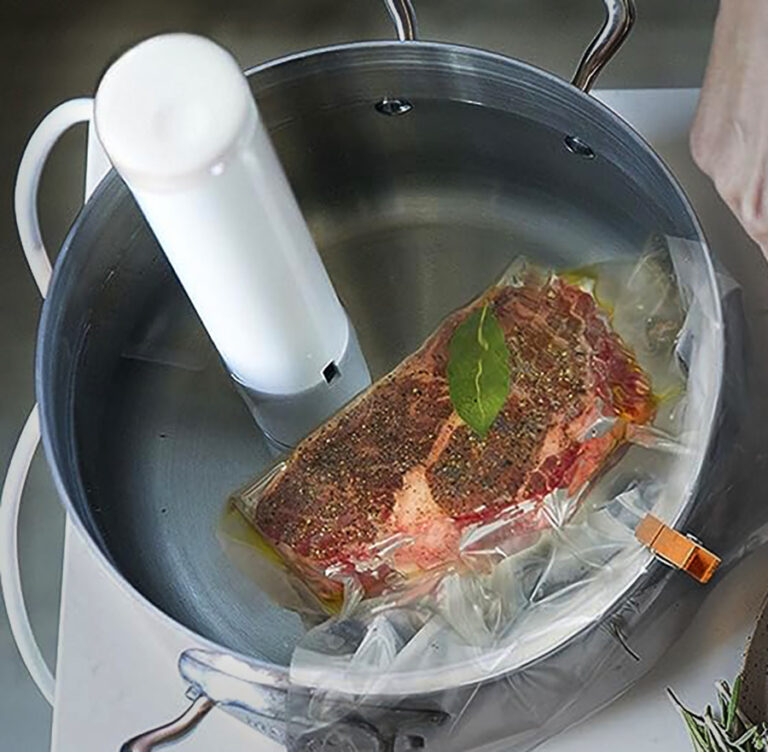
Attach the cooker to the container and turn it on. Wait for the water to reach the set temperature. Place the sealed food bags in the water bath. Make sure bags are fully submerged and not touching the cooker. Let the cooker run for the set time, then remove and enjoy your meal.
Cooking Different Foods Sous Vide
Sous vide cooking is a gentle and precise method that cooks food evenly. It uses a water bath with a controlled temperature. This technique helps keep foods tender and juicy. Different types of foods require different times and temperatures. Understanding these details helps you cook perfect meals every time.
Meats: Steak, Chicken, And Pork
Steak cooks well sous vide at 130°F to 140°F for medium rare. Cooking times range from one to four hours. This method ensures even doneness from edge to center.
Chicken breasts need a temperature of 145°F to stay moist and safe. Cook for one to two hours for tender meat. Pork chops work best at 140°F to 145°F for one to four hours. This keeps pork juicy and tender, avoiding dryness.
Seafood And Vegetables
Seafood cooks quickly sous vide, usually between 120°F and 140°F. Fish takes about 30 to 45 minutes. Shellfish like shrimp or scallops need 15 to 30 minutes. Vegetables require longer times, from 30 minutes to several hours. Set temperatures between 183°F and 185°F for soft, cooked vegetables.
Eggs And Desserts
Eggs cook gently sous vide, making creamy textures. Soft boiled eggs cook at 145°F for 45 minutes. Custards and puddings use temperatures around 176°F for one hour. This method keeps desserts smooth and perfect without overcooking.
Finishing Touches After Cooking
Finishing touches after cooking with a sous vide cooker bring your meal to life. The food is cooked perfectly inside, but the outside needs texture and color. This step makes your dish look and taste better. It adds a crispy, golden finish that pleases both eyes and palate.
Searing And Browning Techniques
Searing adds a rich, brown crust to sous vide foods. Use a hot pan, grill, or torch for best results. Pat the food dry to avoid steaming. Add a little oil or butter to the pan. Sear quickly on each side, about 30 to 60 seconds. This method locks in flavor and creates a nice texture contrast.
Plating And Presentation
Presentation matters for a great meal experience. Use clean plates and arrange food neatly. Add fresh herbs or a sauce to enhance color. Use small portions of side dishes for balance. Simple garnishes make the dish look inviting. Take time to create a visually appealing plate.
Storing And Reheating Sous Vide Meals
Store cooked sous vide meals in airtight containers. Keep them in the refrigerator for up to 3 days. To reheat, use sous vide again at a lower temperature. This keeps the food tender and moist. Avoid microwaving to prevent uneven heating. Proper storage and reheating preserve the meal’s quality.
Troubleshooting Common Issues
Troubles with a sous vide cooker can stop your cooking flow. Knowing how to fix common problems saves time and keeps meals on track. This guide covers key issues and simple fixes. Keep your sous vide working well.
Overcooking And Undercooking
Overcooking happens if the food stays too long in the water. Set the timer carefully and check it often. Undercooking means the food did not reach the right temperature. Use a reliable thermometer to test the food.
Water Bath Maintenance
Change the water regularly to keep it clean. Dirt or food bits can damage the cooker. Use filtered water to reduce mineral build-up. Check water level before cooking to avoid dry running.
Equipment Malfunctions
Check the power connection if the cooker won’t start. Clean the heating element to stop errors. If the temperature does not stay steady, reset the device. Contact support if problems continue after basic fixes.
Tips For Consistent Results
Getting steady results with a sous vide cooker needs care and attention. Small changes can affect taste and texture. Following some easy tips will help you cook perfectly every time. Consistency builds confidence and makes cooking fun.
Recipe Tracking And Adjustments
Write down your cooking times and temperatures. Note any changes you make to the recipe. Keep track of how the food turns out. This helps you repeat the best results. Adjust cooking time or temp in small steps. Record each change to find the perfect method.
Experimenting With Flavors
Try adding different herbs, spices, or marinades. Use fresh ingredients for better taste. Test small amounts first to avoid waste. Mix and match flavors to suit your taste. Keep notes on combinations that work well. This way, you build a list of favorite flavors.
Cleaning And Care
Clean your sous vide cooker after each use. Remove any food residue and water deposits. Dry it well to prevent damage or smell. Regular care keeps your cooker working well. Follow the manufacturer’s cleaning instructions. A clean cooker gives consistent and safe results.
:max_bytes(150000):strip_icc()/tattoo-chef-cooking-sous-vide-FT-BLOG0617-1a5e085e14424d47947051f4e7921f4a.jpg)
Credit: www.foodandwine.com
Frequently Asked Questions
What Is A Sous Vide Cooker Used For?
A sous vide cooker precisely controls water temperature for even cooking. It ensures food is cooked perfectly and retains moisture and flavor.
How Long Does Sous Vide Cooking Usually Take?
Sous vide cooking times vary by food type, ranging from 30 minutes to 48 hours. Longer cooking enhances tenderness and flavor.
Can I Sous Vide Cook Vegetables Safely?
Yes, sous vide cooking vegetables is safe. It preserves nutrients and texture by cooking at lower temperatures for specific times.
Do I Need Special Bags For Sous Vide Cooking?
Special vacuum-sealed bags or BPA-free freezer bags are recommended. They prevent water from entering and maintain food quality during cooking.
Conclusion
Sous vide cooking lets you prepare food with great ease. It keeps flavors and juices locked inside. You control the temperature for perfect results every time. It works well for meat, fish, and vegetables. You only need a sous vide cooker and a bag.
This method saves time and reduces guesswork. Try it for tender, tasty meals at home. Simple steps lead to impressive dishes. Give sous vide a try and enjoy cooking more.


