



Are you looking for a simple way to preserve your favorite fruits, vegetables, and snacks? Using a food dehydrator can be the game-changer you’ve been searching for.
It’s not just about drying food—it’s about unlocking new flavors, saving money, and reducing waste. In this guide, you’ll discover easy steps to get the most out of your food dehydrator. By the end, you’ll feel confident turning fresh ingredients into delicious, long-lasting treats.
Ready to transform your kitchen routine? Let’s dive in.
Choosing The Right Dehydrator
Choosing the right food dehydrator matters for great results. The right model saves time and energy. It fits your kitchen space and drying needs. Understanding types, features, and budget helps make a smart choice.
Types Of Food Dehydrators
There are three main types of food dehydrators. Stackable models have trays stacked vertically. They save space but may dry unevenly. Horizontal dehydrators have trays side by side. They dry food more evenly but take more space. Lastly, there are box-style dehydrators. These are simple and affordable but less versatile.
Key Features To Consider
Look for adjustable temperature controls. Different foods need different drying temperatures. A timer helps prevent over-drying and waste. Good airflow is important for even drying. Transparent doors let you check food without opening. Easy-to-clean trays save effort and time.
Budget And Capacity
Set a budget before buying. Small dehydrators cost less but hold less food. Large models handle more food but cost more. Consider how much food you plan to dry often. Choose a size that fits your kitchen space and needs. Balance cost and capacity for best value.
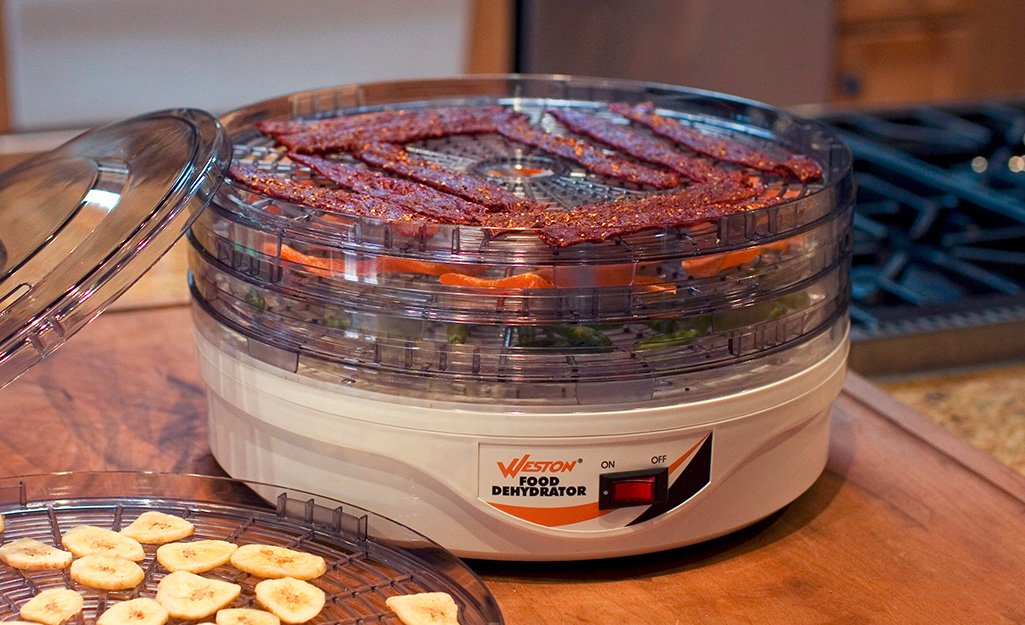
Credit: www.homedepot.com
Preparing Food For Drying
Preparing food for drying is the first step to get great results with your food dehydrator. Proper preparation helps food dry evenly and keeps its taste and nutrients. It also prevents spoilage during storage.
Washing And Slicing
Clean all fruits, vegetables, or meats well under running water. Remove dirt and any chemicals. Dry food with a clean towel or let it air dry.
Slice food into uniform pieces. Thin slices dry faster and better. Cut fruits or vegetables about 1/4 inch thick. Smaller pieces work well for herbs and small fruits.
Blanching And Pretreatment
Blanch vegetables by boiling them briefly, then cooling in ice water. This stops enzymes that cause spoilage and color loss. Most vegetables benefit from blanching.
Fruits may need pretreatment to keep color and flavor. Dip slices in lemon juice or a solution of water and ascorbic acid. This slows browning and keeps fruit fresh-looking.
Arranging Food On Trays
Place food pieces on dehydrator trays in a single layer. Avoid overlapping or crowding pieces. Good air flow around each piece helps even drying.
Leave small space between pieces to allow heat to circulate. Rotate trays if your dehydrator does not have a fan. This ensures all pieces dry evenly.
Operating The Dehydrator
Operating a food dehydrator is simple and effective. Understanding the basic controls helps you dry foods evenly. Follow these steps to get the best results from your machine.
Setting Temperature And Time
Choose the right temperature for the food type. Low temperatures work well for herbs and delicate fruits. Higher temperatures suit meats and thicker vegetables. Set the timer based on the recommended drying time. This prevents over-drying or under-drying your food.
Monitoring The Drying Process
Check your food regularly during drying. Open the dehydrator to inspect texture and dryness. Rotate trays if needed for even air flow. Remove pieces that dry faster to avoid burning. This careful watching keeps your food safe and tasty.
Adjusting For Different Foods
Each food dries differently. Thin slices dry quicker than thick ones. Fruits may need more time than herbs. Adjust temperature and time according to the food’s moisture content. Use the dehydrator’s manual as a guide for best settings.

Credit: www.youtube.com
Drying Times For Common Foods
Understanding drying times helps you get the best results from your food dehydrator. Each type of food needs a different time to dry properly. Dry too little, and food stays moist. Dry too long, and food can become hard or lose flavor.
Factors like thickness, moisture content, and temperature affect drying times. Check food regularly to avoid over-drying. Below are typical drying times for common foods.
Fruits
Fruits usually take between 6 and 16 hours to dry. Thin slices dry faster than thick pieces. Apples, bananas, and berries dry in about 6 to 10 hours. Pineapples and mangoes take closer to 12 to 16 hours. Keep trays spaced for good air flow.
Vegetables
Vegetables dry in 6 to 14 hours, depending on type. Leafy greens like spinach dry in 6 to 8 hours. Root vegetables such as carrots take 10 to 14 hours. Cut vegetables into even pieces for uniform drying. Avoid overcrowding trays.
Herbs And Spices
Herbs and spices dry quickly, usually in 2 to 6 hours. Delicate herbs like basil and parsley take less time. Hardier spices like rosemary or thyme may need up to 6 hours. Use low heat to keep flavors strong.
Meats And Jerky
Meats and jerky require 4 to 12 hours to dry. Thin strips dry faster. Use a temperature of 145°F to 160°F for safety. Check for dryness by bending pieces; they should be flexible but not wet. Proper drying prevents spoilage.
Storing Dehydrated Foods
Storing dehydrated foods properly keeps them fresh and tasty for longer. Good storage stops moisture, air, and pests from ruining your dried snacks. Proper packing and the right conditions make a big difference. Below are ways to store your dehydrated foods safely.
Packaging Methods
Use airtight containers like glass jars or vacuum-sealed bags. Avoid plastic bags that are not sealed well. Mason jars with tight lids work great. Vacuum sealing removes air and keeps food dry. Label each package with the date of drying. This helps track freshness over time.
Ideal Storage Conditions
Store dehydrated foods in a cool, dark place. A pantry or cupboard away from sunlight is best. Keep the temperature between 50°F and 70°F. Avoid humid areas to prevent moisture from returning. Dry air keeps your food crisp and safe.
Shelf Life Expectations
Dehydrated fruits last about 6 to 12 months. Vegetables can keep for 8 to 12 months. Herbs stay fresh for 1 to 3 years. Proper storage can extend these times. Check food for any signs of mold or bad smells before use.
Troubleshooting Common Issues
Using a food dehydrator is easy, but some common problems can happen. These issues can affect the quality of your dried food. Knowing how to fix them helps you get the best results. Below are tips to solve common problems like uneven drying, mold growth, and texture troubles.
Uneven Drying
Food may dry unevenly if slices vary in thickness. Cut pieces to the same size for even drying. Overcrowding trays blocks airflow. Leave space between pieces for air to circulate. Rotate trays during drying to help all sides dry equally. Check the temperature settings; too high or low can cause uneven drying.
Mold And Spoilage Prevention
Mold grows if food stays damp too long. Dry food fully before storing it. Use clean trays and keep the dehydrator clean. Store dried food in airtight containers in a cool, dry place. Check dried food for soft spots or dampness before storing. Proper drying and storage stops mold and spoilage.
Overdrying And Texture Problems
Overdrying makes food hard or brittle. Check food early and often during drying. Remove pieces that dry faster to avoid overdrying. Some foods dry faster than others; adjust time accordingly. Use the right temperature to keep texture pleasant. Proper drying keeps food chewy, not rock hard.
Creative Uses For Dehydrated Foods
Dehydrated foods offer many creative options beyond simple storage. They make cooking easier and snacks tastier. Using a food dehydrator lets you enjoy food in new ways. Dehydrated ingredients save space and last longer. This section explores how to use these foods creatively.
Snacks And Trail Mixes
Dried fruits and vegetables make perfect snacks. They are light, tasty, and easy to carry. Combine dried apples, bananas, and berries for a sweet mix. Add nuts and seeds for extra crunch and protein. Create your own trail mix for hiking or school. Dehydrated snacks keep well without refrigeration. Great for quick energy during busy days.
Cooking And Baking
Use dehydrated vegetables in soups and stews. They rehydrate quickly and add flavor. Ground dried fruits can sweeten muffins and bread. Add powdered herbs for seasoning dishes. Dehydrated ingredients save prep time in cooking. Keep a stock of dried foods for easy meals. They add texture and color to recipes.
Emergency Food Supplies
Dehydrated foods are ideal for emergencies. They store well and need little space. Prepare meals in advance with dried vegetables and meats. Just add water to rehydrate before eating. These foods last for months or years. Perfect for power outages or camping trips. Build a supply that keeps your family safe.
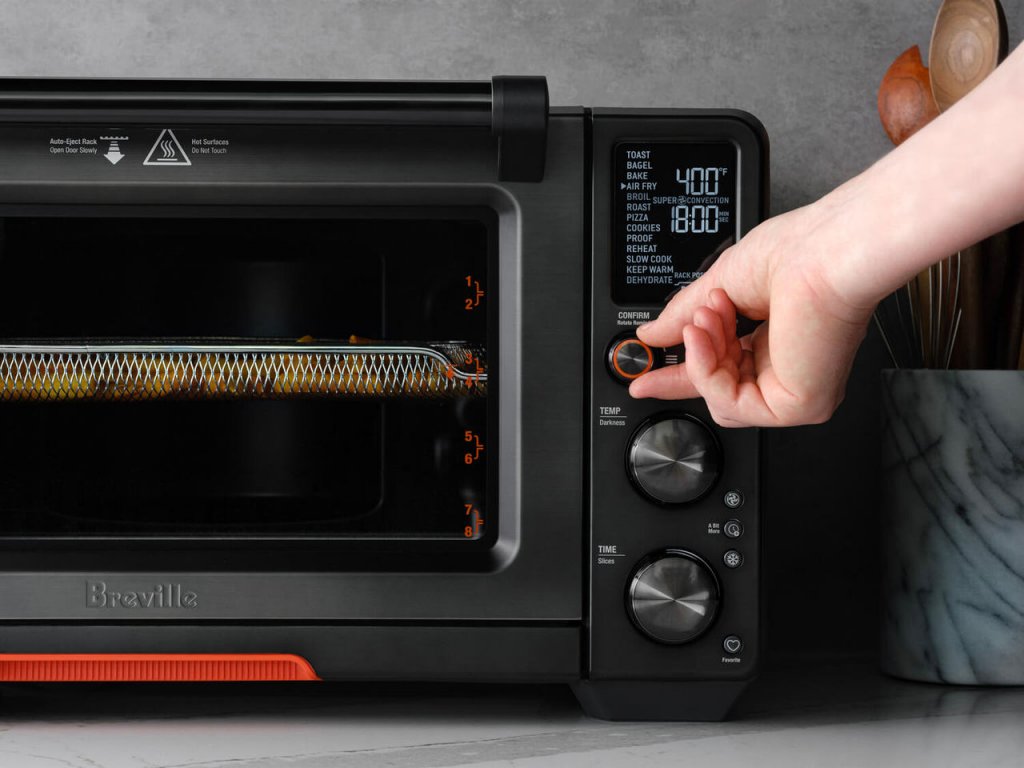
Credit: www.breville.com
Frequently Asked Questions
What Foods Can I Dehydrate Using A Food Dehydrator?
You can dehydrate fruits, vegetables, herbs, meats, and nuts. Popular choices include apples, tomatoes, beef jerky, and basil. Dehydrating preserves food by removing moisture, extending shelf life, and concentrating flavors. Always slice foods uniformly for even drying.
How Long Does It Take To Dry Food In A Dehydrator?
Drying time varies by food type and thickness. Fruits typically take 6-12 hours, vegetables 8-14 hours, and meats 4-10 hours. Temperature settings also affect drying time. Check food periodically and store when fully dry and crisp.
What Temperature Should I Set For Dehydrating Food?
Set the dehydrator between 125°F and 165°F depending on the food. Fruits dry well around 135°F, vegetables around 125°F, and meats at 160°F for safety. Following specific temperature guidelines ensures proper drying and food safety.
Can I Dehydrate Cooked Food With A Food Dehydrator?
Yes, cooked foods like soups, stews, and pasta can be dehydrated. Spread them thinly on trays to dry evenly. Dehydrating cooked food reduces weight and volume for easy storage and quick rehydration later.
Conclusion
Using a food dehydrator saves food for a long time. It keeps fruits, vegetables, and meats fresh without chemicals. Drying food at home also helps reduce waste. The process is simple and needs little effort. Just prepare, arrange, and dry your food.
Enjoy healthy snacks anytime with your dehydrated treats. Start small and try different foods to find your favorites. With practice, drying food becomes easy and fun. A food dehydrator is a useful tool for every kitchen. Give it a try and enjoy tasty, long-lasting snacks.


