



If you’ve ever wanted fresh, warm bread without the hassle, a bread machine is your new best friend. But how do you get started?
How do you make sure your bread turns out soft, fluffy, and perfectly baked every time? In this guide, you’ll discover simple steps to master your bread machine quickly. Whether you’re a beginner or just looking to improve your baking game, this article will help you unlock the full potential of your machine.
Ready to impress yourself and your loved ones with homemade bread? Keep reading—you’re about to become a bread-making pro.
Choosing The Right Bread Machine
Choosing the right bread machine can make baking bread easier and more fun. The right machine fits your needs and kitchen space. It helps you bake fresh bread with less effort. Understanding types, features, and trusted models guides your choice.
Types Of Bread Machines
Bread machines vary by size and function. Basic models bake standard loaves. Advanced machines offer settings for gluten-free or whole wheat bread. Some include a timer for fresh bread anytime. Compact machines save counter space. Larger machines bake bigger loaves.
Key Features To Look For
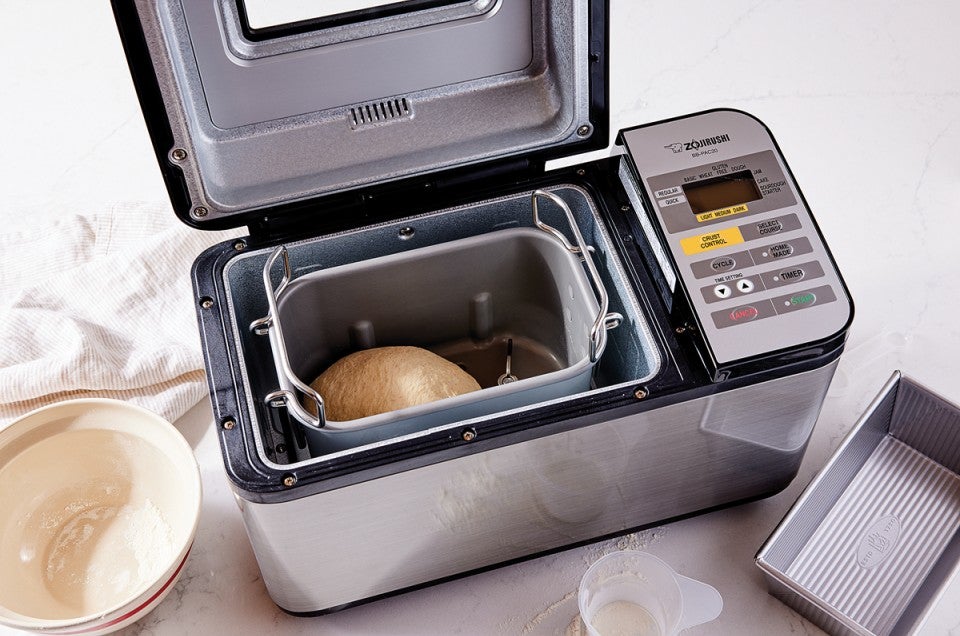
Check for a programmable timer to schedule baking. A non-stick pan makes cleaning easier. Multiple loaf sizes add flexibility. Look for crust control to choose crust darkness. A viewing window lets you watch baking progress. Easy-to-use controls save time and frustration.
Recommended Models
Popular models balance price and performance well. Some brands offer reliable machines with good customer reviews. Models with extra settings suit diverse bread types. Choose one with clear instructions for beginners. Trusted brands provide better warranties and support. Select a model that fits your budget and needs.
Credit: www.kingarthurbaking.com
Essential Ingredients
Bread machines make baking bread easy and fun. The key to great bread is using the right ingredients. Each ingredient has a role in texture and taste. Knowing what to use helps you get the best results.
Basic Ingredients For Bread
Flour is the main ingredient in any bread recipe. Use bread flour for better gluten development. Water activates the yeast and helps form the dough. Yeast makes the dough rise and creates air bubbles. Salt controls yeast growth and adds flavor. Sugar feeds the yeast and helps browning. Oil or butter adds moisture and softens the bread.
Tips For Selecting Quality Ingredients
Choose fresh yeast for strong rising power. Check the expiration date on all ingredients. Use filtered or bottled water if tap water tastes odd. Pick flour labeled for bread or all-purpose use. Avoid salt with iodine; it can weaken yeast. Use pure sugar, not artificial sweeteners. Fresh oils or butter improve flavor and texture.
Optional Add-ins And Variations
Add seeds like sunflower or sesame for crunch. Mix in herbs such as rosemary or thyme for aroma. Include nuts or dried fruits for extra taste and texture. Try cheese or garlic for savory bread. Use whole wheat or rye flour to change flavor and color. Add oats or bran to boost fiber content.
Preparing The Bread Machine
Preparing your bread machine is the first step to baking fresh bread at home. This part is simple but important. Proper preparation helps the machine work well and gives the best results. Follow these steps carefully to start baking with ease.
Setting Up Your Machine
Place the bread machine on a flat, clean surface. Make sure it is near a power outlet. Check that the baking pan is clean and dry before use. Insert the kneading paddle firmly into the pan. Close the lid securely to keep heat inside during baking.
Measuring Ingredients Accurately
Use measuring cups and spoons for precise amounts. Too much or too little flour changes the dough’s texture. Measure liquids like water or milk at eye level for accuracy. Add ingredients in the order the recipe says. Accurate measurements ensure your bread rises well and tastes good.
Loading Ingredients Correctly
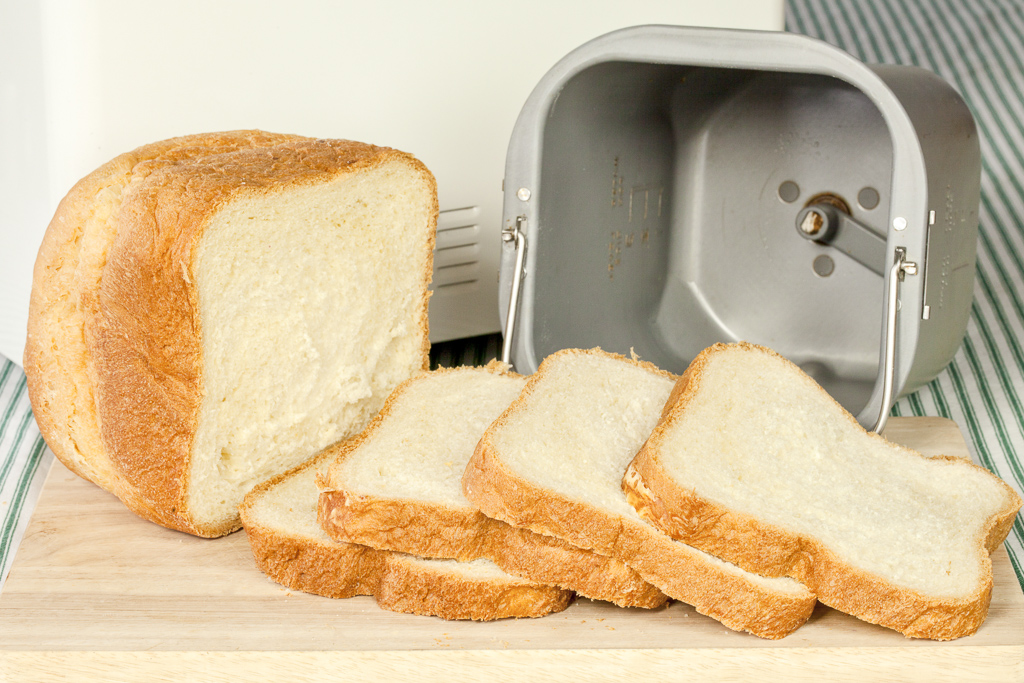
Pour liquids into the pan first. Then add dry ingredients like flour on top. Keep yeast separate from salt and liquids before mixing. This prevents yeast from activating too soon. Spread yeast evenly over the flour surface. Close the lid and select the correct baking program.
Credit: recipeland.com
Selecting The Right Program
Selecting the right program on your bread machine is key to baking perfect bread. Each program is designed for specific types of bread or dough. Choosing the correct setting ensures the right texture, taste, and crust. Understanding these options helps you bake bread that matches your preference.
Common Bread Settings
Bread machines often have several preset programs. Basic white bread is the most common. Whole wheat and French bread settings adjust time and kneading for different flours. Some machines include dough-only or quick bake options. Knowing these presets helps you pick the best one for your recipe.
Customizing Bake Cycles
Many bread machines allow you to customize bake cycles. You can change kneading time or rising periods. Adjusting these settings helps improve dough consistency. Custom cycles let you experiment with new recipes. This flexibility gives more control over the final loaf.
Timing And Crust Preferences
Timing affects bread texture and flavor. Most machines offer different crust settings: light, medium, or dark. Shorter baking times create softer crusts. Longer times produce crunchier, golden crusts. Choose crust preferences to fit your taste. Adjust timing for freshness and ideal results.
Troubleshooting Common Issues
Troubleshooting common issues with your bread machine helps you bake better bread. Many problems are easy to fix. Understanding these issues saves time and ingredients.
Read the signs. Check your machine and ingredients carefully. Small changes can improve your bread’s quality.
Uneven Baking
Uneven baking causes some parts of the bread to be too dark or undercooked. Check if the bread pan is placed correctly. Make sure the machine is on a flat surface. Use fresh ingredients and measure them accurately. Avoid opening the lid during baking. This can change the temperature and cause uneven results.
Dense Or Heavy Bread
Dense bread often means too much flour or not enough liquid. Use the exact measurements in your recipe. Check the yeast is fresh and active. Old yeast can make the bread heavy. Make sure the dough is kneaded well. Proper kneading develops gluten for a lighter texture.
Machine Not Starting
The bread machine might not start due to power issues. Ensure the machine is plugged in securely. Check the outlet by plugging in another device. Make sure the lid is closed properly. Some machines have safety locks. Press the start button firmly. If problems continue, check the manual for reset instructions.
Maintenance And Cleaning
Keeping your bread machine clean and well-maintained ensures it works properly. Dirt and leftover dough can damage the parts. Regular care helps your machine last longer and bake better bread every time.
Cleaning Tips
Unplug the machine before cleaning. Remove the bread pan and kneading blade carefully. Wash these parts with warm soapy water. Use a soft cloth or sponge to avoid scratches. Never put the main machine in water. Wipe the outside with a damp cloth. Dry all parts completely before reassembling.
Regular Maintenance
Check the kneading blade for dough build-up. Remove any stuck dough after every use. Inspect the power cord for damage or wear. Make sure the bread pan fits tightly. Lubricate moving parts only if the manual suggests it. Run a test bake now and then to ensure smooth operation.
Storage Recommendations
Store your bread machine in a dry, clean place. Avoid damp or humid areas that can cause rust. Keep the lid slightly open to prevent odors. Cover the machine with a cloth or dust cover. Store removable parts separately and clean before use. Proper storage keeps the machine fresh and ready.
Creative Bread Recipes
Bread machines make baking simple and fun. They allow you to try many recipes with little effort. Creative bread recipes help you enjoy different flavors and textures. Experimenting with ingredients can bring new tastes to your table. Below are some popular ideas to inspire your baking.
Whole Wheat Bread
Whole wheat bread is healthy and filling. Use whole wheat flour instead of white flour. It has more fiber and nutrients. Add honey or molasses for a touch of sweetness. Water temperature should be warm, not hot. This helps yeast work well. Bake until the crust is golden brown. Fresh whole wheat bread smells wonderful and tastes great.
Gluten-free Options
Gluten-free bread suits those with allergies or sensitivities. Use gluten-free flour blends for best results. Add xanthan gum to improve texture. Use eggs or flaxseed for binding. Avoid using too much water to keep dough firm. Choose yeast that works well with gluten-free mixes. Bake until the bread feels firm and springs back when touched.
Sweet And Savory Variations
Sweet breads include ingredients like cinnamon, raisins, or chocolate chips. Add sugar or honey to make dough sweet. Savory breads may have herbs, cheese, or olives. Try garlic or rosemary for a nice aroma. Mixing nuts or seeds adds crunch and flavor. These variations make bread exciting and unique. Use the bread machine to mix and bake easily.

Credit: www.youtube.com
Frequently Asked Questions
How Do I Start Using A Bread Machine?
Begin by reading your bread machine’s manual carefully. Add ingredients in the order recommended. Select the appropriate program and press start. Avoid opening the lid during kneading to ensure proper dough development.
What Ingredients Are Essential For Bread Machine Recipes?
Basic ingredients include flour, water, yeast, sugar, salt, and fat. Use fresh yeast for best results. Measure ingredients accurately to maintain dough consistency and prevent baking issues.
Can I Use Whole Wheat Flour In A Bread Machine?
Yes, whole wheat flour works well but may need extra water. Adjust hydration and kneading time for denser dough. Many machines have a whole wheat setting for optimal baking.
How Do I Clean And Maintain My Bread Machine?
Unplug the machine and let it cool. Remove and wash the baking pan and kneading paddle with warm soapy water. Wipe the interior and exterior with a damp cloth. Avoid abrasive cleaners to preserve the finish.
Conclusion
Using a bread machine makes baking simple and fun. You just add ingredients, press a button, and wait. Fresh bread fills your home with a wonderful smell. Experiment with different recipes to find your favorite. Clean your machine after each use for best results.
Enjoy homemade bread anytime without much effort. This tool helps save time and effort in the kitchen. Give it a try and enjoy warm, tasty bread often.


