Are you ready to unlock the full potential of your fruits and veggies? Using a juicer can transform your daily routine, giving you fresh, tasty juice packed with nutrients.
But with so many types of juicers out there, especially cold press and centrifugal, it can be confusing to know which one suits your needs and how to use it properly. In this guide, you’ll discover simple, step-by-step tips to get the most from both cold press and centrifugal juicers.
By the end, you’ll feel confident creating delicious, healthy juices that energize your body and delight your taste buds. Keep reading—you’re just moments away from mastering your juicer!
Credit: www.youtube.com
Choosing Between Cold Press And Centrifugal Juicers
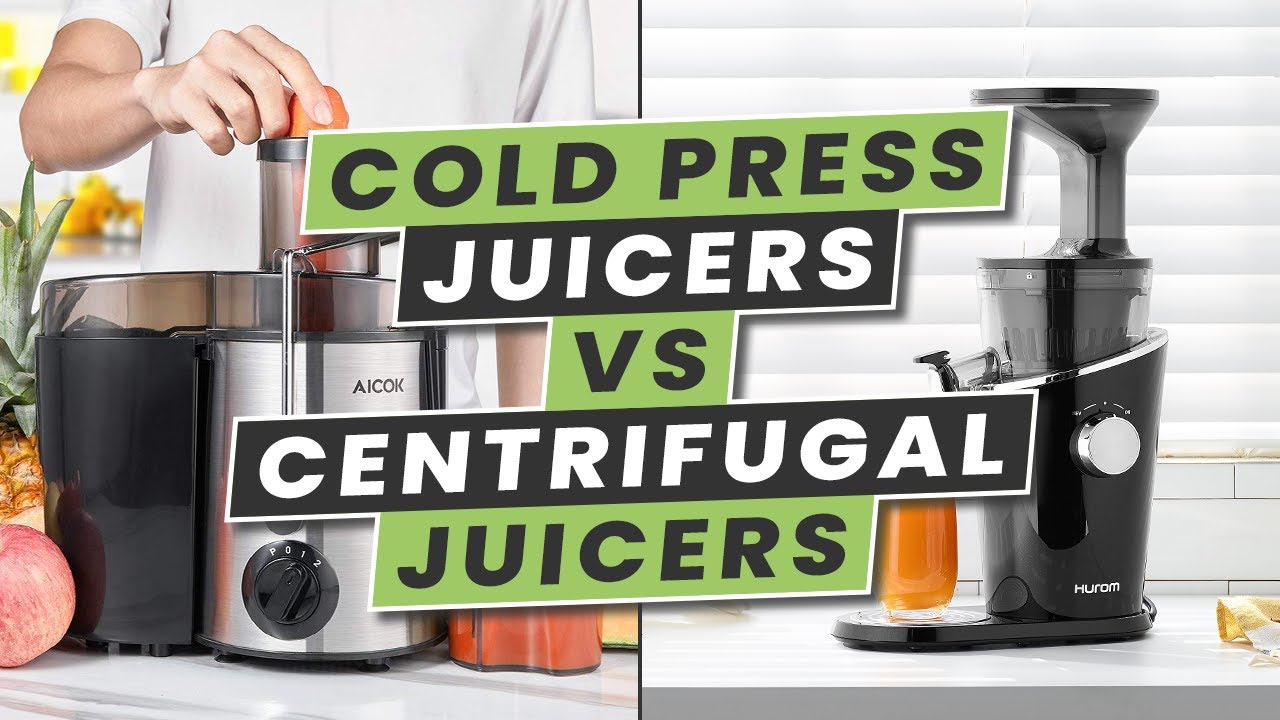
Choosing the right juicer can be confusing. Two popular types are cold press and centrifugal juicers. Each has unique features that affect juice quality and ease of use. Understanding these can help make the best choice for your needs.
Key Differences
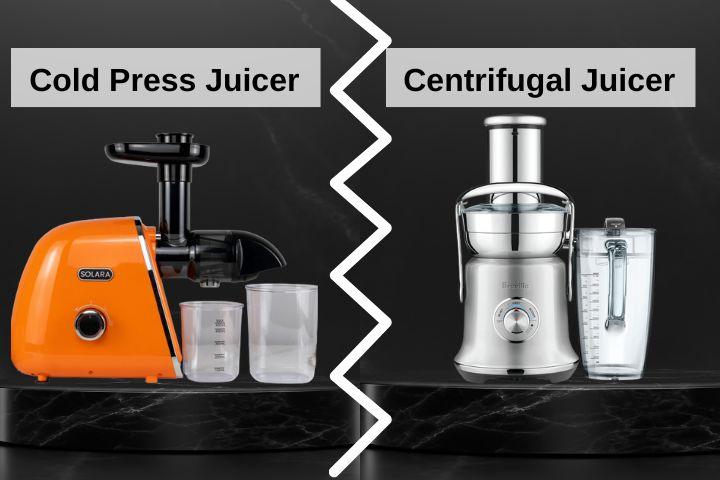
Cold press juicers crush and press fruits slowly. This keeps more nutrients in the juice. Centrifugal juicers spin fast to shred fruit and separate juice. They work quickly but may heat juice slightly. This can reduce some vitamins.
Benefits Of Cold Press Juicers
Cold press juicers keep more vitamins and enzymes. They make juice with less foam and pulp. Juice lasts longer without separating. These juicers handle leafy greens and soft fruits well. They are quieter but usually slower than centrifugal juicers.
Benefits Of Centrifugal Juicers
Centrifugal juicers work very fast. They are easy to use and clean. These juicers fit most kitchens with their compact size. They work well on hard fruits and vegetables. Centrifugal juicers cost less than cold press models.
Which One Suits Your Needs
Choose a cold press juicer if you want nutrient-rich juice. Ideal for people who juice often and enjoy greens. Pick a centrifugal juicer for quick juice and easy cleaning. Good for beginners or those with limited time. Consider how much juice you want daily and your budget.
Credit: www.solara.in
Preparing Fruits And Vegetables
Preparing fruits and vegetables is a key step for making fresh juice. Proper preparation helps your juicer work better. It also makes the juice taste great and stay fresh longer.
Start by choosing the right produce. Then, clean and cut them carefully. Remove any seeds or pits to avoid damage to the juicer or bitterness in the juice.
Best Produce For Juicing
Choose fresh, ripe fruits and vegetables. Apples, carrots, celery, and cucumbers are excellent choices. Leafy greens like spinach and kale add nutrition. Citrus fruits give a nice tangy flavor. Avoid overripe or moldy produce. They affect taste and juice quality.
Washing And Cutting Tips
Wash all produce under cold water. Use a brush for firm items like carrots. This removes dirt and pesticides. Cut fruits and vegetables into small pieces. This helps the juicer work smoothly. Remove stems and leaves that are tough or bitter.
Removing Seeds And Pits
Remove large seeds and pits before juicing. Seeds from apples and pears can add bitterness. Stone fruits like peaches and cherries have pits that can harm the juicer. Cut these fruits open carefully and take out the pits. Small seeds in berries do not need removal.
Operating A Cold Press Juicer
Operating a cold press juicer is simple and rewarding. This type of juicer gently presses fruits and vegetables to extract juice without heat. It keeps more nutrients and enzymes intact. Understanding how to use it properly helps you get the best juice every time.
Assembling The Juicer
Start by placing the juicer on a flat surface. Attach the parts carefully. Fit the juice container in place. Lock the lid securely to avoid spills. Make sure the auger, the slow spinning part, is correctly set. Check all parts for a tight fit before starting.
Feeding Ingredients
Cut fruits and vegetables into smaller pieces. This helps the juicer work smoothly. Feed the pieces slowly into the chute. Use the pusher to press them down gently. Avoid forcing large chunks. Let the juicer crush and press at its own pace.
Cleaning And Maintenance
Turn off and unplug the juicer after use. Disassemble all removable parts carefully. Rinse them with warm water right away. Use a soft brush to clean the mesh and auger. Dry all parts before reassembling. Clean the main body with a damp cloth only. Regular cleaning keeps your juicer working well and lasts longer.
Operating A Centrifugal Juicer
Operating a centrifugal juicer is simple and fast. These juicers use a fast spinning blade to extract juice from fruits and vegetables. They work well for hard and soft produce and are great for quick juicing.
Setting Up The Juicer
Place the juicer on a flat, clean surface. Make sure all parts are dry and correctly assembled. Insert the pulp container and juice jug in their places. Attach the lid securely to avoid spills. Plug the juicer into a power source. Check that the safety lock is engaged before turning it on.
Juicing Process
Start the juicer by pressing the power button. Cut fruits and vegetables into pieces that fit the feeding chute. Feed the pieces slowly into the chute. Use the pusher tool to press the produce down safely. The spinning blade will shred the produce and separate juice from pulp. Collect the juice in the jug and discard the pulp after juicing.
Post-use Cleaning Tips
Turn off and unplug the juicer before cleaning. Disassemble removable parts carefully. Rinse parts under running water immediately to prevent drying. Use a brush to clean the mesh filter and blades. Wipe the motor base with a damp cloth only. Dry all parts completely before reassembling or storing the juicer.
Maximizing Juice Yield And Quality
Getting the most juice and the best taste depends on a few key steps. Using your juicer right can save ingredients and make your juice fresh and tasty. Both cold press and centrifugal juicers work well when used properly. Understanding how to prepare and process your fruits and vegetables helps improve juice yield and quality.
Small changes in how you handle ingredients and juice can make a big difference. Follow these tips to enjoy more juice from the same amount of produce. Keep your juice fresh longer by storing it the right way.
Layering Ingredients
Layering means placing ingredients in a certain order before juicing. Start with soft fruits like oranges or tomatoes. Next, add leafy greens or herbs. Finish with hard vegetables such as carrots or beets. This order helps push all ingredients through the juicer smoothly. It prevents clogging and extracts more juice.
Alternate hard and soft items to create natural pressure inside the juicer. This method works well for both cold press and centrifugal juicers. It helps the machine work efficiently and reduces waste.
Juicing Techniques
Cut ingredients into small pieces before juicing. This allows the juicer to process them faster and better. Feed the produce slowly into the juicer. Rushing can cause the juicer to clog or produce less juice.
For cold press juicers, push ingredients gently to keep the slow pressing action. For centrifugal juicers, a steady pace avoids overheating the juice. Clean the juicer parts right after use. This keeps the machine working well and prevents old residue from affecting taste.
Storing Fresh Juice
Fresh juice tastes best right after making it. If storing, use airtight glass containers. Fill containers to the top to reduce air contact. Keep juice in the fridge and drink within 24 to 48 hours for best taste and nutrients.
Shake the juice before drinking to mix any separated parts. Avoid plastic bottles as they can change the flavor. Store juice away from light to keep color and freshness.

Credit: www.solara.in
Troubleshooting Common Issues
Troubleshooting common issues helps keep your juicer working smoothly. Both cold press and centrifugal juicers can face similar problems. Quick fixes save time and improve juice quality. Knowing how to handle jams, foam, and maintenance keeps your juicer in top shape.
Handling Clogs And Jams
Clogs happen when fruits or vegetables get stuck inside the juicer. Turn off the juicer immediately. Remove the clogged parts carefully. Use a cleaning brush to clear small pieces. Avoid pushing hard objects inside the chute. Cut produce into smaller pieces before juicing to prevent jams.
Dealing With Foam And Pulp
Foam forms during juicing, especially with leafy greens. Let the juice sit for a minute to reduce foam. Use a fine strainer to remove excess pulp. Adjust the speed on centrifugal juicers to lower foam. Cold press juicers usually create less foam and pulp. Clean the pulp container regularly to avoid overflow.
Maintaining Juicer Performance
Regular cleaning extends your juicer’s life. Wash all removable parts after each use. Avoid leaving pulp inside for long periods. Check the blades for dullness or damage. Tighten loose parts to prevent noise and leaks. Store your juicer in a dry place to avoid rust.
Frequently Asked Questions
What Is The Difference Between Cold Press And Centrifugal Juicers?
Cold press juicers extract juice by slowly crushing fruits, preserving nutrients. Centrifugal juicers use fast spinning blades, which may cause slight nutrient loss but are quicker.
How Do I Clean A Cold Press Juicer Effectively?
Disassemble the parts immediately after use. Rinse with warm water and mild soap. Use a brush to clean the mesh filter thoroughly to avoid residue build-up.
Can I Juice Leafy Greens With A Centrifugal Juicer?
Centrifugal juicers struggle with leafy greens compared to cold press models. They work best with hard fruits and vegetables, but results may be less efficient for greens.
Which Juicer Is Better For Nutrient Retention?
Cold press juicers retain more nutrients due to slow extraction and less heat generation. Centrifugal juicers produce juice faster but may lose some nutrients.
Conclusion
Choosing between cold press and centrifugal juicers depends on your needs. Cold press juicers keep nutrients and juice fresh longer. Centrifugal juicers work faster and are easier to clean. Both types help you enjoy fresh juice at home. Start with simple fruits and vegetables.
Clean your juicer after every use for best results. Regular juicing supports a healthy lifestyle. Experiment to find what suits your taste and routine. Keep your juicing simple and fun. Enjoy every glass of fresh juice you make!